Think Twice About These Gifts: Holiday Wish List Warnings
December 1, 2026
Not every trending toy or gadget belongs under the tree. Pediatric surgeon Colin Muncie, MD, highlights potential hazards and shares practical advice to help families stay safe. Families often find themselves scrambling for the perfect gift in the holiday countdown. But some of the latest and greatest trending items aren’t necessarily wise or safe choices to make in haste. In fact, some of them really shouldn’t be given to kids. Dr. Muncie, who is also a father of four boys, says it’s alarming that some things on the market can be very dangerous if used improperly.
“Raising kids is all about letting them take calculated risks, so they can grow appropriately as independent humans, but it’s important for adults to understand that there can be serious risks that come along with some new toys, gadgets and devices,” said Dr. Muncie. “And if you’re going to buy them anyway, talk through the appropriate safety measures, immediately put them into practice and maintain those precautions.”
Check Your List
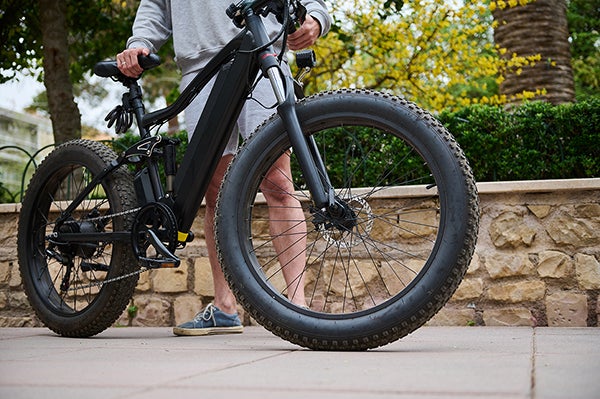
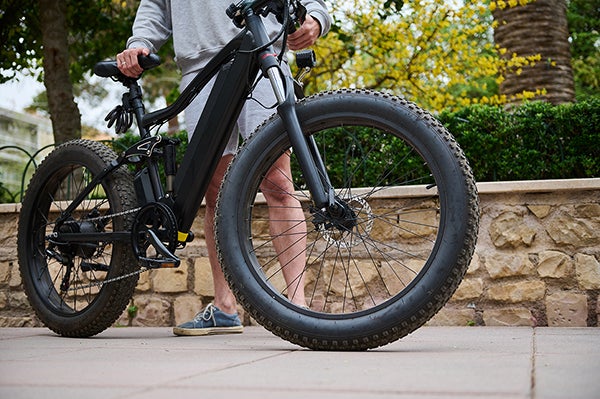
Whether or not they’ve been extra good and nice, we encourage parents to think twice when gifting kids a new toy or device. Check out this list for some of the more popular items that kids may say they want and learn why you may not want to rush out to buy them. ATVs, electric bikes and scooters are particularly dangerous because of their higher speeds, and children are often unable to properly control them. It’s also difficult to hear something like an electric bike (e-bike) approaching, which can increase the risk of collisions. Families should take the time to understand the different classes of e-bikes and scooters, review the local laws and understand the real risks.
“If a child falls off an ATV, e-scooter or e-bike, which is going 15 to 25 miles per hour or faster, they can have injuries that include serious cuts, fractures and head injuries,” said Dr. Muncie. “Until they are old enough to operate a car, using these really shouldn’t even be a consideration, and even then, the higher speed of electric and motorized wheeled devices presents serious risk to all ages. Traffic laws need to be followed carefully, and protective gear should be worn for every single ride."
Button Batteries: A Hidden Danger
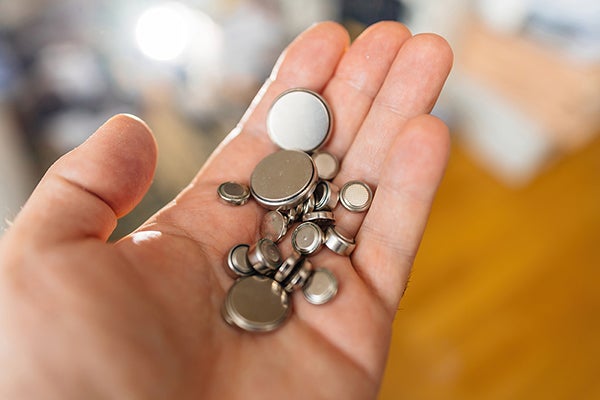
Toys marketed for toddlers and pets and other household gadgets are often powered by button batteries, which can be deadly if swallowed. The battery is dangerous because it can get lodged in the esophagus causing direct injury in such a tight space. Make sure any battery-powered device has screws to secure the batteries, and don’t give young children access to items with button batteries.
Get rid of any loose button batteries right away; store any extras completely out of reach in a child-proof container.
Helmets make great gifts, and the whole family should wear them when riding bikes of any type – the hassle is worth it to protect your brains, and they make some really cool helmets these days.
Gel balls and water beads; gel guns/blasters are more dangerous than they appear.
“If ingested, the beads and balls swell and can cause intestinal blockages requiring major surgery,” said Dr. Muncie.
Some beads also contain chemicals and neurotoxins, which can cause damage to the brain and nervous system. Additionally, law enforcement agencies have warned that some of the gel guns and blasters resemble real firearms, and children are using them in dangerous ways that are causing bodily harm to others. Magnets such as the popular and powerful rare-earth magnets are extremely dangerous and can be deadly for children if swallowed.
“When two or more magnets are swallowed, their attractive force can pull them together and cause a bowel injury such as a perforation or ulceration that requires major surgery,” said Muncie.
Initially a child may not show any symptoms so a parent may not realize they’ve swallowed the magnets, and the most likely symptoms are abdominal pain or flu-like nausea and vomiting.
“The key thing to note is you really should avoid having loose magnets in your home; if a toy with a magnet inside breaks, you should throw it away immediately,” said Muncie. “We’ve even seen older kids get into trouble with these because they don’t recognize the danger of ingesting a magnet.”
Digital devices open the door to kids being exposed to content that is not age-appropriate; they can also connect them to potential predators. The use of gaming systems, laptops, tablets, phones and even televisions should be monitored and discussed as a family regularly, so the boundaries are clear, and concerns can be addressed. Quality of content, social interactions and sleep habits are big things for parents to be tuned into on a regular basis once kids have their own digital devices.
“Some video games that appeal to kids also have chat rooms that adults hang out in, which enables strangers to communicate with and exploit children,” said Dr. Muncie. “Many families assume that just because a game is popular it must have good child protection measures in place, but unfortunately nothing could be further from the truth.”
The American Academy of Pediatrics has recently updated its recommendations for screen use, and they provide resources online for healthy digital habits, media literacy and creating a family media plan. Visit aap.org to learn more.
Squishy toys and/or sensory gel toys made of plastic or silicone often have unknown substances inside that are unsafe, including chemicals and gel balls or beads that can be very dangerous if ingested. Reports have also been made of contact skin burns, severe irritations and strong chemical odors leading to headaches, nausea, irritated eyes, or a sore throat. Remnants of the broken or degraded squishy toys can also be a choking hazard.
Make Helmets Part of Every Ride

Wheeled devices should never be used without a helmet.
“As a pediatric surgeon, I can’t stress this enough: parents should also always wear a helmet while riding bikes, scooters and other motorized devices to protect themselves and model this important step for brain injury prevention.”
Choose the Right Helmet
Safe Kids Worldwide provides the following tips for selecting and fitting helmets.
- Make sure the helmet fits properly and meets U.S. Consumer Product Safety Commission (CPSC) standards.
- Let your child help choose a helmet they like – they’ll be more likely to wear it.
- Use a CPSC-certified skateboarding helmet for skateboarding and longboarding. A properly fitted bike helmet can be used for biking, scootering and skating.
Bike Helmet Fit Test
- EYES check: Position the helmet on your head. Look up and you should see the bottom rim of the helmet. The rim should be one to two finger-widths above the eyebrows.
- EARS check: Make sure the straps of the helmet form a "V" under your ears when buckled. The strap should be snug but comfortable.
- MOUTH check: Open your mouth as wide as you can. Do you feel the helmet hug your head? If not, tighten those straps and make sure the buckle is flat against your skin.
Learn about other times kids should wear helmets, including skiing, snowboarding, sledding and horseback riding!
When to Buy a New Helmet
Many manufacturers and safety organizations recommend replacing every 3 to 5* years. You should also replace a helmet if or when:
- It is involved in a crash
- An existing helmet no longer properly fits
- Straps are frayed or worn out
- Buckles are loose, rusted or aren’t working correctly
- You notice physical wear, including a cracked or dented shell
- It looks faded or feels brittle
- There is visible separation between the foam and shell
- The helmet seems to have loosened over time
* Keep in mind that UV exposure, storage outside or in a hot car, and daily use take a toll on helmets and may increase the need for frequent inspections and replacement. Most helmets have a manufacture date printed on a label or stamped inside the shell. If it is missing or you can’t read it to confirm its age and that it meets CPSC standards, it’s best to
get a new helmet.
Family Safety Resources
Learn more about bike safety and helmets at healthychildren.org and cpsc.gov.
This article is adapted from Families First. Subscribe here.
 MEET THE EXPERT: Colin Muncie, MD, WakeMed Pediatric Surgery
Dr. Colin Muncie is a board-certified pediatric surgeon with clinical interests in chest wall surgery, neonatal surgery and pediatric robotic surgery. Dr. Muncie earned his undergraduate degree at Ole Miss and stayed in Mississippi for medical school and general surgery residency. Prior to joining the WakeMed Children’s team, Dr. Muncie completed his subspecialty training in pediatric surgery in Jackson at Children's of Mississippi, the only children's hospital in the state. Dr. Muncie strives to provide hands-on, personalized care that is evidence-based while always putting the patient first. Outside of the office, Dr. Muncie can be found spending time with his wife and four boys, enjoying the outdoors, and golfing.