Day of Surgery
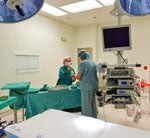
It's important to arrive at Patient Registration at the scheduled time.
All Patients
- Shower or bathe on the morning of your surgery to reduce infection risk, unless instructed otherwise for CHG baths.
- Follow your pre-anesthesia nurse's guidance on insulin and diabetes medications.
- Take your morning doses of heart, blood pressure, seizure, pain, or asthma meds with a small sip of water, unless told not to.
- Heart surgery patients should avoid all medications unless directed by their surgeon.
- Do not shave the area where the surgery will occur.
- You can brush your teeth, but avoid swallowing any water.
- Contact your surgeon if you have any cold, flu, fever, or illness before surgery.
- Wear loose and comfortable clothing on the day of your procedure.
- Bring your C-PAP or Bi-PAP machine if you use one at home.
- Remove all jewelry, including piercings, and leave valuables at home
- You'll need to take out contact lenses as well.
- Avoid heavy makeup on the day of your appointment.
- Bring a list of all medications you regularly take.
- Inform your nurse if you've used blood thinners in the past month.
- You'll need to sign a consent form for surgery and anesthesia.
- A parent or legal guardian must sign for minors, with proof of guardianship.
- Your anesthesiologist will meet with you in pre-op to discuss your care plan.
- Only two visitors are allowed in the pre-op area.
- Ensure children are supervised and not left alone in the reception area.
- Staff will ask you the same questions multiple times for safety verification.
- The staff responsible for your care will verify who you are, what kind of surgery you are having, and the part of your body on which surgery is to be performed.
- You will be asked these questions many times. Staff will also double-check what you tell them against the documents from your doctor’s office. While it might seem redundant, it is an important part of our quality assurance process.
- Before your surgery, your surgeon will mark the specific area on your body where the procedure will take place. This process, known as site marking, is essential for your safety and helps avoid mistakes, particularly for surgeries involving limbs, eyes or ears.
- Before the surgery starts, the entire surgical team will pause for a “time out.” During this moment, they confirm that they are about to perform the right procedure on the right patient and at the correct site.
During Surgery
- An estimation of surgery length may be given by surgeon
- Surgery may be delayed due to emergencies, or previous surgeries extended longer causing delays
- The OR staff may call to update families for extended surgeries
- Please ask the receptionist at the desk if you are concerned with a delay or need information
Billing & Insurance
Co pays will be collected at patient registration as well as additional payment for special procedures such as lenses, bariatric and cosmetic surgeries. Note you will be billed separately for services performed by the anesthesiologist, surgeon, pathologist and radiologist.
View a list of insurance plans accepted by WakeMed and learn more about Billing & Insurance.