Summer Safety Splash
July 6, 2026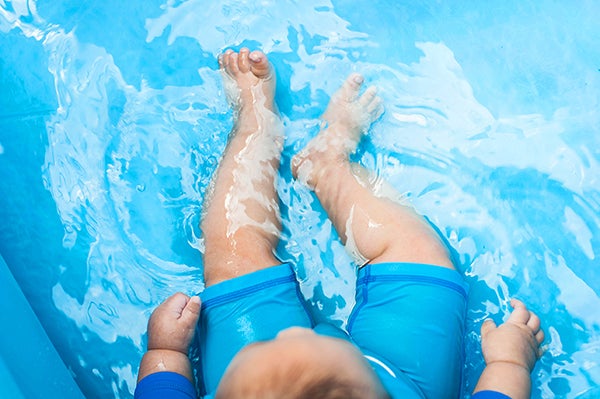
From water to wheels, WakeMed Children’s Emergency Department wants families to learn and follow important safety steps to help keep kids happy, healthy, safe and having fun on hot summer days in the sun. When temperatures rise outside, Dr. Damilola Joseph, medical director of WakeMed Children’s Emergency Department, and mother of two teens, says the number of serious yet preventable child injuries and fatalities rise as well.
“Summer should be a time full of laughter, play and fun, but we sadly see an increase in traumatic injuries and deaths from tragic child drownings and unsafe use of bikes, scooters and other recreational wheeled devices,” explains Dr. Joseph. “Heat exhaustion and severe sunburn are also big summer concerns, but they are completely preventable.”
SAFETY IS IN SEASON
Keep these essentials in mind before heading outside.
Assign a Water Watcher
- Designate an adult who can swim to stay close by and pay constant attention to a child while in and near water.
- Don’t rely on a lifeguard to watch a child.
- Ask the designated water watcher to ignore their phone and avoid other activities.
- Be sure to switch out water watchers regularly so the designated adult can take a break.
Wear Sun Protection
- Protect babies under six months with clothing and hats, and keep them mostly in the shade.
- Use broad-spectrum sunscreen and lip balm with SPF 30+ for six months and older.
- Wear wide-brimmed hats and UPF-rated clothing if possible.
- Choose UV-blocking sunglasses.
- Reapply sunscreen every two hours and after swimming or sweating.
Stay Cool & Hydrated
- Be aware of the signs of heat exhaustion and dehydration.
- Make sure kids drink plenty of water.
- Take lots of breaks from the heat and limit time in direct sun.
- Don’t delay in seeking a shady, cooler spot when concerns such as fatigue, nausea and dizziness arise.
THE FACTS
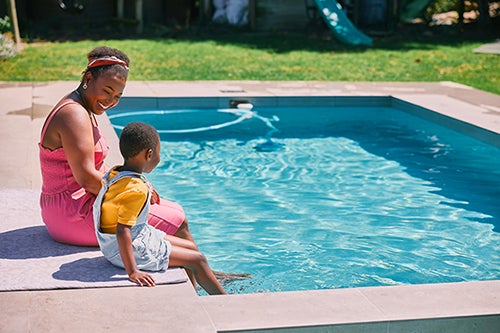
- Drowning is the leading cause of death in children ages one to four.
- Drowning is the second leading cause of unintentional injury death for ages five to 14.
Dr. Joseph wants families to make sure young children are not in or near water without constant adult supervision.
“They should always be within arm’s reach, and parents should exercise every possible precaution when children are near any depth of water,” notes Dr. Joseph.
Water safety rules should be reviewed and followed by the whole family anytime there are nearby pools, hot tubs, lakes, ponds, rivers, creeks, marshes, oceans and tidal pools. Drowning risks start with as little as an inch or two of water for young children who can end up face first in kiddie pools, buckets, coolers and bathtubs.
“Never leave children alone in or near water – that includes bathtubs,” shares Dr. Joseph. “They should always be watched by a dedicated, responsible person who is attentive and prepared to rescue them.”
Dr. Joseph recommends all adults brush up on their water safety knowledge and stay vigilant about keeping kids safe. Get started with these steps and visit healthychildren.org for more recommendations related to swimming, boating, age-specific tips from infants to teens, and other helpful water safety information that could help you prevent a drowning and even save a life.
Building Layers of Water Safety
Fun in the sun frequently involves making a splash, but the importance of water safety is something that parents should never forget. Whether kids are swimming, fishing, paddling, boating, or just floating, the risk of drowning is real. And sadly, Dr. Joseph says many drownings happen right in families’ backyards or at nearby community pools.
• Make swim lessons a priority for children and adults! Lessons are an important layer of prevention for drowning but remember that children who can swim are still at risk of drowning.
• Closely supervise children in and near water – keep them within reach and pay attention at all times. Do not count on arm floats, rafts, tubes or other swim gear to keep a child above water. A designated adult who can swim should be 100% focused on a child who is swimming or playing in or near water. Fatal drownings do occur during brief lapses of attention – it doesn’t take long!
• Be water competent – learn about drowning risks and safety measures, teach others, and practice safe behaviors in and around water. Parents should help children and other adults in their lives understand the serious dangers of water and be a model of safety. Assess risks, maintain a safety mindset, practice survival swimming, use good judgment, stay alert, and learn how to recognize and safely assist anyone who is drowning or in need of assistance while in the water. Remember, drowning doesn’t have to be fatal. Learning the proper steps to help can save a life. Visit redcross.org/watersafety to learn more about drowning and what to do in an emergency.
• Wear properly fitted Coast Guard-approved life jackets every time you are near or in open bodies of water. Make sure they are age and weight appropriate. Do not rely on arm floats, rafts or other flotation devices. Review and follow boating-specific safety tips before your family heads out for a day on the water.
• Prevent any access to pools and bodies of water with fencing. American Academy of Pediatrics (AAP) recommends that pool fences be four-sided; at least 4-feet high with slats that are no more than 4 inches apart. Gates should always be closed and locked. Pool alarms as well as door and gate alarms can provide an added layer of safety, but alarms should not ever be relied on in place of keeping the area fenced and gates always locked.
• Store water toys out of the pool and surrounding area because they may attract toddlers toward the water.
MISSING CHILD?

Check the water first!
Always check pools and areas with water first as soon as you think a child is missing. You may think they can’t or wouldn’t go there, but studies have shown that many drownings happen when a child was not expected to or supposed to be anywhere near the water.
Water Safety Is for Every Age
Parents may be surprised to learn that teens ages 15 to 19 have the second-highest drowning rate and are more likely to drown in open water. As kids get older, they can become overly confident in their swimming skills so keep water safety top of mind for all ages of the family, including adults!
Be sure to talk to your teens about the dangers of drug and alcohol use and how they directly interfere with swimming ability, balance, coordination and judgement. Adults need this reminder as well, and parents’ behaviors should set a good example.
Why Swim Lessons Matter
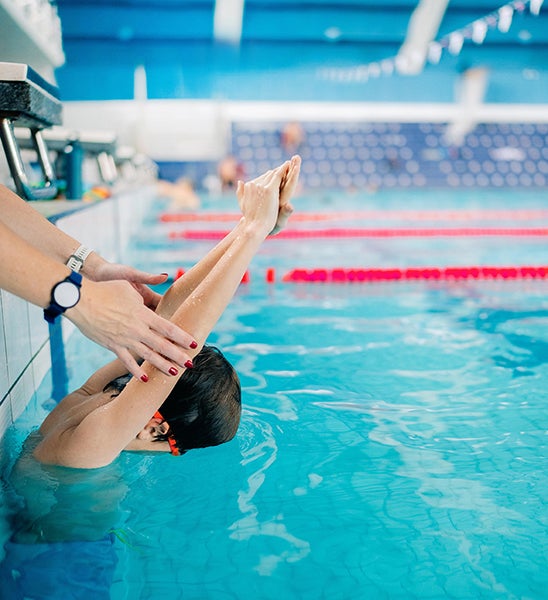
Builds lifelong water safety skills.
- Helps children become more comfortable and confident in the water
- Improves coordination, balance and motor skills
- Provides healthy, low-impact exercise
- Supports physical and emotional well-being
One Skill That Lasts a Lifetime
The American Academy of Pediatrics recommends swim lessons for all children and adults, and some kids may be ready to start as early as age one.
“Once they begin walking and are more mobile, children are at greater risk of wandering towards and into a backyard or neighborhood pool or other nearby bodies of water,” comments Dr. Joseph. “By starting swim lessons early, children between the ages of one and four can gain early water survival skills that can reduce drowning risks, but it’s just one step of prevention, so parents must continue to carefully watch and keep young children within reach.”
Swim lessons for toddlers usually involve a parent and child with lessons focused on learning safe water habits and basic skills such as floating on their backs.
“I encourage families to continue lessons beyond those early years to build on initial survival skills, so children learn to safely get themselves out of the water, tread water and eventually start swimming with strokes,” says Dr. Joseph.
The AAP’s recommendation for swim lessons is paired with the stark reminder that swim lessons do not make kids drown-proof.
The AAP recommends children with disabilities participate in adapted aquatics swim lessons and recreational aquatics programs, which are known to reduce drowning risk in children with autism and provide benefits in motor skills, behavior and mood.
Swimming offers lifelong benefits beyond safety!
“Lessons can help give children a foundation for a healthy activity that they can enjoy for life,” explains Dr. Joseph. “It’s a great skill to learn and enjoy from early childhood into adulthood.”
Free/Reduced Cost SWIM LESSONS in Wake County
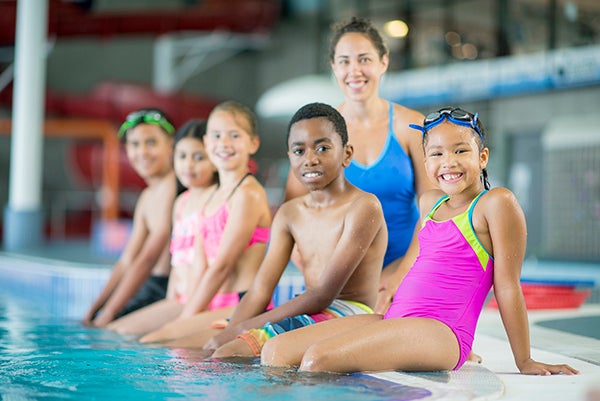
- City of Raleigh Parks, Recreation and Cultural Resources offers financial assistance for swim lessons. For details about available swim lessons or eligibility for financial assistance, visit raleighnc.gov/ parks-and-recreation/services/ aquatics, email Fee.Assistance@raleigh.gov or call 919-996-4839.
- Hope Floats partners swim schools to provide scholarships for swimming lessons or tuition assistance for children who might not otherwise be able to afford swim lessons. Learn more at Hope Floats
- Triangle Aquatics Center offers the Make a Splash initiative in partnership with the USA Swimming Foundation. Children ages five to 12 and their parents may apply online for free or reduced-price swim lessons. Eligibility information is listed at Triangle Aquatics.
- YMCA of the Triangle’s Swim for Life program provides free swim lessons for both children and adults. Eligibility is income-based. Swim for Life sessions are offered throughout the year at various YMCA branches in Wake County. Learn more at YMCA Swim Lessons or contact the aquatics director at a nearby YMCA.
This article is adapted from Families First. Subscribe here.