Protect Your Family with These 30 Summer Safety Tips
June 21, 2026
With summer in full swing and the warm, humid conditions lingering for several more weeks, it's important to remain vigilant about safety to prevent injuries at home.
Ashley Hink, MD, who specializes in general surgery, trauma and critical care, shares, "Prevention is key because traumatic injury impacts lives beyond physical injury. Mental health, pain, disability, loss of independence, challenges in social well-being, economic well-being and family structure can all be impacted. Communities and individuals must know the true impact of injury to consistently consider prevention and what it takes to support survivors."
Let's keep fun in the sun going all summer long with these tips:
Windows
It's common to open windows during the summer months to let in cool breezes at night and warm air in the morning. Be cautious of curious children who could slip out of open windows, however, because per a 2026 review from Science Insights, traumatic injury is the leading cause of death for children and teens in the United States.
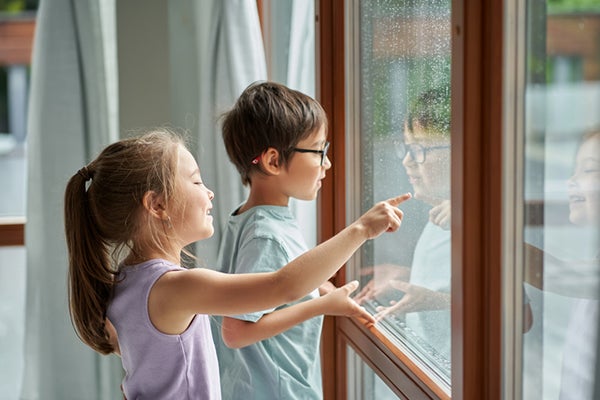
- Remember that screens are only meant to keep bugs out. They will not prevent a person from falling out of the window.
- Install window stops to prevent children from opening the window all the way.
- Consider window guards for windows above the first floor to stop children from climbing or falling out of the window.
- Inquisitive children, eager to see clearly out of windows, may climb on furniture set against a window. This could result in a fall. Place furniture a couple feet away from windows.
Lawn Maintenance
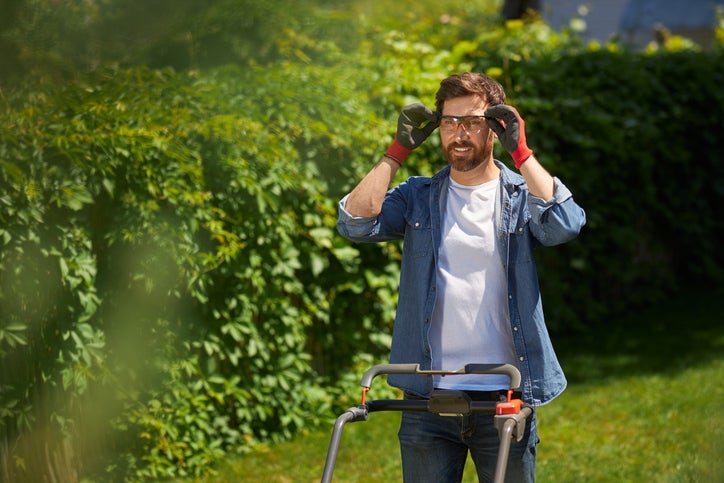
A pretty and well-maintained lawn is the stuff of dreams for many homeowners during the warm months.
- When mowing the lawn, wear glasses or goggles to prevent debris from flying into your eyes.
- Do not allow children to play on the lawn while you're mowing it. Flying rocks and sticks could severely injure them.
- Hedge clippers, axes, chainsaws and mowers present a serious risk to children. Keep lawn equipment stowed away. Do not allow children to play with it or on it. Teach them that lawn equipment is not a toy.
Teen Driver and Firearm Considerations

Summer is a preferred time for parents to help teens learn to drive. With freedom from school schedules, more time can be allotted to securing their independence, but parents should remember that driving comes with many safety challenges. It's also a fun time to learn how to use firearms to enjoy hunting and more.
Dr. Hink explains, "Motor vehicle collisions and firearms are the leading mechanisms for youth and young adults. Focus on use of restraints, safe driving practices and safe firearm ownership and storage."
- Set rules about what is okay and not okay to do while driving.
- Monitor what friends may or may not be in the vehicle with teen drivers.
- Start lessons on less crowded streets and parking lots. Transition to freeways and crowded areas once teens demonstrate their readiness.
- Keep firearms locked, unloaded and separate from ammunition.
- Store locked firearms out of reach of away from children and individuals with risk factors for self-harm and injury, such as those going through a life crisis, mental health challenge or who have cognitive decline.
Safe Grilling
Flavorful and appetizing entrees from the family grill are on many summertime dinner menus. Ribs, shish kabobs and various vegetables make up just a few of these delightful dishes, but beware because the grill can also be a fire hazard.
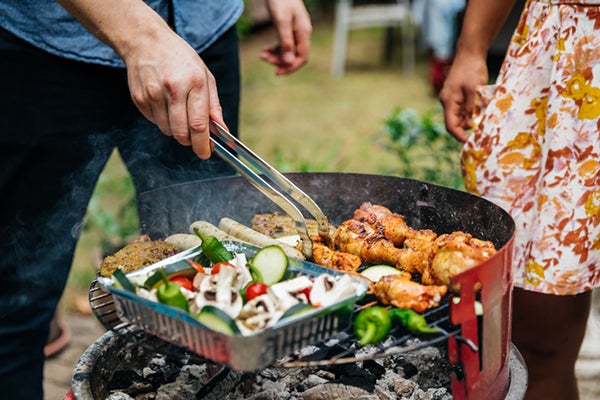
- The smoke from a grill can have deadly consequences if used indoors. Do not grill in a home, enclosed area or garage. Always use a grill outdoors in open air to prevent smoke inhalation and carbon monoxide poisoning.
- Monitor the grill and any activities around it. Children and pets can be severely burned if they touch a grill while in use.
- Refrain from adding more lighter fluid once the grill has been lit. Adding more could spark a sudden, large flame that could lead to burns.
- The flames from a grill could cause a fire if they come in contact with anything flammable. Refrain from grilling under a wood trellis, next to the house, near tree branches or a stack of wood, while standing on pine straw or in close vicinity to any other flammable materials.
- Proper grilling utensils have a long handle to prevent the griller from coming in contact with flames or scorching heat. Do not use regular in-home utensils while grilling.
- Prevent food poisoning. Don't leave perishable foods and raw meat out in the hot sun.
Poisonous Plants
Leaves
- Poisonous plants can often be identified by their distinct, glossy leaves, which frequently feature sharp, tooth-like edges. Poison oak, stinging nettle and poison sumac leaves are shiny as well.
- A common adage warns to "leave it be" when encountering poison ivy, as its leaves typically grow in clusters of three, each adorned with scattered jagged teeth along the edges. This characteristic shape can sometimes resemble a mitten, especially due to a pronounced lobe or tooth near the base of the leaf.
- In contrast, poison oak presents a more rounded tooth structure with less glossy leaves. This can complicate identification efforts in backyard natural areas.
- Poison sumac eschews the rule of leaves of three and instead boasts clusters of seven to 13 leaves, usually arranged in a smooth, compound structure. The variability in their leaf formations and patterns adds an additional layer of complexity, underscoring the importance of proper identification, especially for those who might risk an adverse reaction when in contact with these seemingly benign yet toxic plants.
Liquid
When broken open at the stem, some poisonous plants leach a white liquid.
Smell
Many poisonous plants can have an almond-like odor. Be mindful of scents.
Be Mindful
Check your yard for poisonous plants, and call the Poison Control Center at 1-800-222-1222 if you're unsure whether or not a plant is poisonous.
Backyard Pool Safety
Dr. Hink urges families to remain vigilant around any body of water.
"Drownings are a leading cause of death from injury in children between one and four."

- Keep your pool secure by using access barriers to safeguard against unsafe entry. A perimeter fence may be required by your homeowner's association.
- Keep doors that lead out to the pool locked at all times.
- Install anti-entrapment drain covers and safety release systems. This will protect you and other pool users against entrapment.
- Assign someone in the household to monitor the pool while in use. Never leave a young child alone in a pool even for a second. An adult should be outside watching the child at all times.
- If you cannot find your little one in the house, immediately check the pool. Make it the first area you check.
WakeMed Can Help
In the event you experience an injury, the care teams in our WakeMed Urgent Care and WakeMed MyCare 365 locations can help. We can address first and second-degree burns, physical injuries from flying debris, heat exhaustion, falls and much more.
If someone is experiencing a life-threatening injury or is unconscious, call 911 and visit your nearest emergency department.
References
https://scienceinsights.org/what-is-the-number-one-cause-of-death-in-children/
https://www.cdc.gov/firearm-violence/prevention/index.html
https://publichealth.jhu.edu/center-for-gun-violence-solutions/safe-storage-saves-lives
https://www.ncsafe.org/safestorage/