
Play it safe on summer adventures and pack like an emergency physician. Damilola Joseph, MD, recommends bringing more than sunscreen and snacks.
The best item you can pack is a plan. Before you leave home, identify a designated water watcher, discuss what to do if someone gets lost, ensure kids have what they need for safe play and make sure everyone knows how to get help in an emergency.
- A printed emergency contact card (not just stored in a phone)
- A recent photo of your child on your phone in case you become separated
- Bright-colored swimsuits (some colors are much easier to spot underwater than others)
- Children's medications (allergy medications, inhalers, EpiPens®)
- Bandages and antibiotic ointment
- Tweezers for splinters or ticks
- Instant cold packs for bumps, falls and sprains
- A designated Water Watcher tag, lanyard, or wristband to identify who is supervising
- Mineral broad-spectrum SPF 30+ sunscreen and lip balm and SPF swimwear
- Sunglasses and hats
- A portable phone charger
- Rash guards and/or closed-toe water shoes
- A flashlight
- Insect repellent
Rehydration & Recovery
If a child has symptoms of heat exhaustion and/or dehydration, act fast. If they won’t drink enough water, try a sports drink with electrolytes and offer fresh fruit. Be sure to bring:
- A refillable insulated water bottle for every family member
- Extra water for the car in case of delays or breakdowns
- Hydrating snacks such as watermelon, oranges, grapes, or cucumber slices
- A change of dry clothes to help cool down or warm up after water activities
Make Helmets a Habit
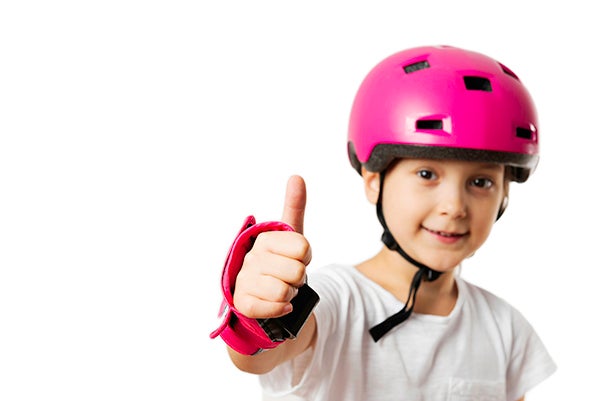
Wear a helmet on bikes, scooters, skateboards and any other recreational wheeled devices.
- Choose a helmet that meets the safety standards of the U.S. Consumer Product Safety Commission (CPSC).
- Make sure the helmet is properly fitted – ask for help if you’re unsure.
- Wear the helmet correctly – it should be parallel to the ground when looking straight ahead and shouldn’t move around once the chin strap is properly adjusted.
- Don’t wear a helmet that is tilting back, moving around on the head, or covering the eyes.
- The helmet should sit no more than two fingers above the eyebrow
- The straps should be adjusted under the ears to form a V
- Only one finger should fit under the chin strap
ATV Alert!
Do not let children operate or ride on all-terrain vehicles. The American Academy of Pediatrics (AAP) recommends that children under 16 should not be allowed to operate an ATV. They are motorized vehicles that require reflexes and strength that kids just don't have, and the added speed of ATVs and other motorized devices can lead to more traumatic injuries. According to the AAP, a rollover can lead to trauma to the chest, abdomen, head or spine.
This article is adapted from Families First. Subscribe here.