A Mother's Persistence Helped Her Sons Breathe Easier: A Chest Wall Deformity Story
August 17, 2026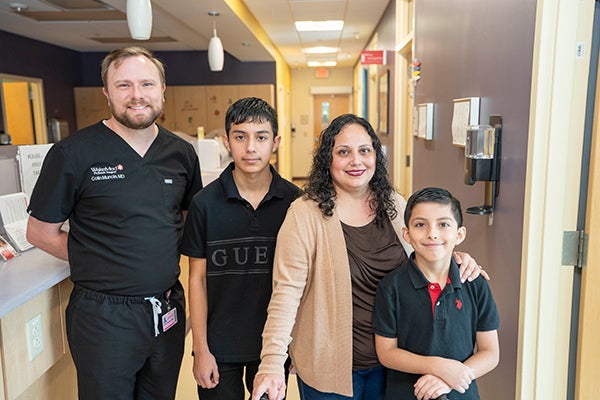
Joel was a toddler, in 2013, when his mother first noticed a slight depression in the center of his chest. At first, it was subtle.
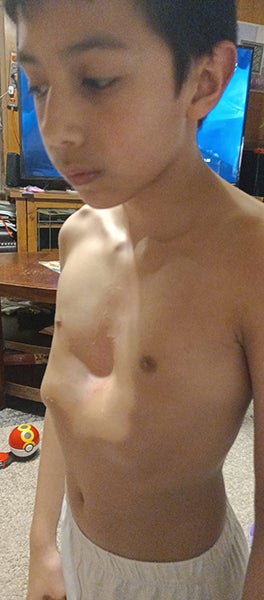
"By the time he was five or six years old, it was much deeper," Katty recalls. "It looked like someone had punched him in the chest. I told the pediatrician that something wasn't right."
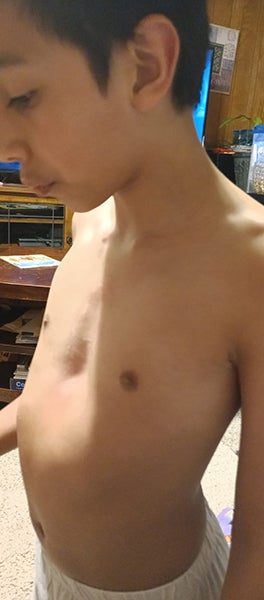
The pediatrician told Katty that Joel had pectus excavatum, a condition where the breastbone sinks inward. Because he wasn't experiencing symptoms at the time, he reassured her that the condition was common and typically didn't require treatment.
Unfortunately, the indentation continued to worsen.
When Symptoms Became Impossible to Ignore
Around age 11, Joel's health began to change.
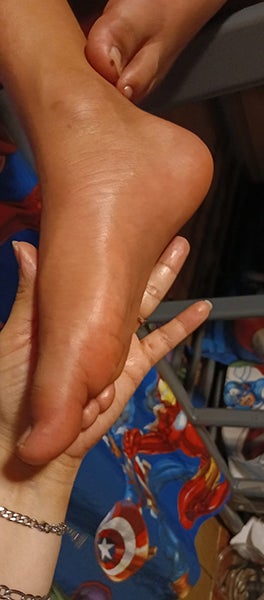
He started coming home from school complaining that his feet were swollen. His heart also raced unexpectedly. During soccer or gym class, he became short of breath and developed chest pain.
The swelling eventually became so severe that his feet looked dramatically enlarged.
Concerned, Katty sought answers: "My husband would sign my son up for summer soccer camps, and he would struggle to breathe through activities that didn't affect the other players. I knew I had to help him."
The pediatrician referred Joel to a kidney specialist. Testing revealed his kidneys were functioning normally, so she encouraged Katty to request a referral to a cardiologist.
In visiting the cardiologist, testing showed his heart was structurally normal, yet his symptoms continued.
"The doctor asked me if he had other symptoms or issues to consider. I pointed to his sunken chest," shares Katty.
Joel's pediatric cardiologist suggested that his chest wall deformity might be contributing to his symptoms and urged Katty to request a referral to WakeMed Chest Wall Deformity Center
A Visit to One of a Handful of Chest Wall Deformity Centers in the Country: WakeMed
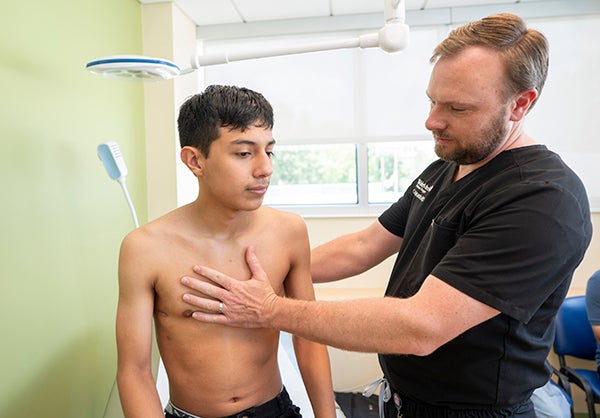
Katty felt relief when she and Joel had their first visit on July 7, 2023, with pediatric surgeon Colin Muncie, MD, who specializes in chest wall conditions at the WakeMed.
"The visit with Dr. Muncie was the first time I felt like someone truly listened," Katty comments. "He didn't minimize what Joel was experiencing."
Before this visit, Katty had become increasingly coy about expressing chest wall deformity concerns because she'd been reassured that it was minor. Dr. Muncie's care, knowledge and determination to address it, encouraged her that her family was finally where they needed to be.
Joel adds, "I wanted to feel better. With Dr. Muncie, I felt like he would help."
The Effort to Avoid Surgery
Because Joel was still growing, Dr. Muncie recommended trying a vacuum bell, a non-surgical device designed to gradually lift the sunken chest wall.
Joel embraced the treatment wholeheartedly.
He wore it after school, on weekends and even while sleeping — whenever possible.
Katty recalls, "He used it every opportunity he could. He was determined to get better."
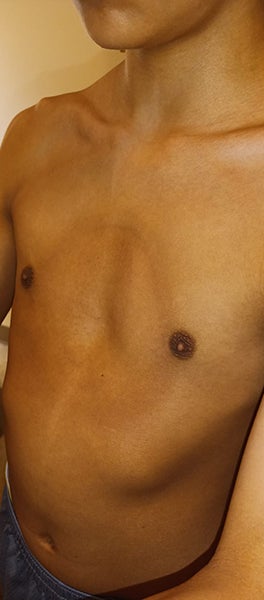
The effort paid off initially. His chest noticeably improved, and he had symptom relief, but as puberty progressed, the condition worsened again, and his symptoms persisted.
"In communicating with Dr. Muncie, he had already informed me that Joel may need surgery once he went through puberty. When the vacuum bell stopped working after nearly two years of regular usage, we knew surgery was next."
Surgery in View
Joel wasn't afraid when he learned he would need surgery.
"I was actually excited," he chimes in. "I wanted to get rid of what I had, so I could get back to doing what I like."
For years, he had struggled to keep up with friends while playing soccer. Even short periods of running often left him gasping for air.
Swimming presented another challenge. When he submerged underwater, he felt the pressure pushed his chest inward even more, making it difficult to breathe.
"He would come out of the pool pale," his mother recalls. "It was scary."
Surgical Excellence at WakeMed
In July 2025, Joel underwent the nuss procedure with Dr. Muncie at WakeMed Raleigh Campus ="" p="">Children's Hospital. With a successful surgery, he was discharged home after two days.
Dr. Muncie reports, "Joel presented to me with a moderate to severe pectus. We, initially, attempted the vacuum bell knowing he was likely out of the range to guarantee a complete cure. While we had initial success, he became too old for the bell to provide definitive, lasting results. He underwent the nuss procedure and had a good outcome."
Joel was on pain medication for a week and recuperated on a hospital bed delivered to their home. After two weeks, he was able to resume normal activities.
"I was much more cautious than he was," adds Katty. "He was recovering nicely, and I was insistent that he proceed with care. I stayed home with him and was stressed about injury, but when he had the second surgery in November 2025 to remove one of the bars to fit his frame, I was like, 'He's got this,' so we both relaxed a bit more, and I let him lead in his aftercare."
Better Breath, Better Chest
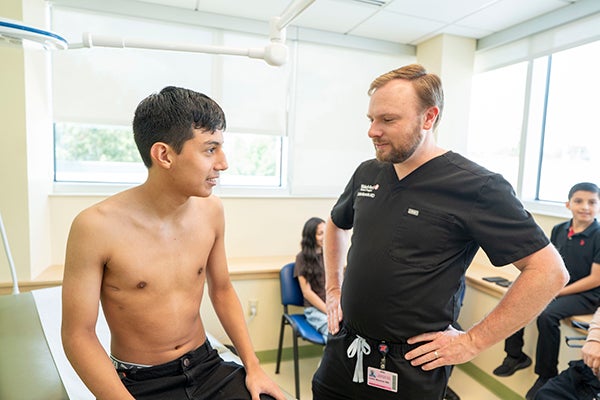
The results have been life-changing.
"The first thing I noticed was that I could breathe a lot better," Joel comments.
Today, his chest pain is gone. The swelling in his hands and feet has disappeared. His shortness of breath has also resolved.
"I can even relax better now," notes Joel.
Even the appearance of his chest has changed his confidence.
Before surgery, Joel often kept his shirt on at the beach because he was embarrassed by the deep indentation. Now, despite his surgical scars, he confidently takes his shirt off without hesitation.
Back to the Sport He Loves
Prior to surgery, Joel loved soccer but couldn't keep up physically. The chest pain and breathing difficulties prevented him from joining a school team.
"Now he's preparing to try out," Katty says smiling. "We can't thank Dr. Muncie enough for taking us seriously."
For his family, that opportunity represents much more than playing school sports. It represents getting a piece of Joel's childhood back since he can now engage in life fully without fear of difficulty breathing or foot swelling.
Early Intervention for a Younger Brother
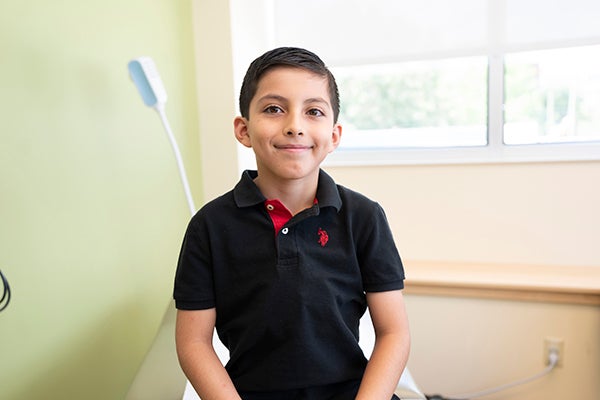
Joel's younger brother, Kevin, also has pectus excavatum, but because Katty was familiar with it, she was able to identify it and get her younger son help earlier.
"When he was a toddler, his indentation looked more like a thumb print. It was much smaller, so I kept an eye on it," Katty remembers.
Although his chest indentation is much milder, he began complaining of many of the same symptoms as his brother when he was around age eight — chest discomfort, rapid heartbeat and occasional shortness of breath.
Rather than waiting, she consulted with Dr. Muncie, and he recommended beginning vacuum bell therapy during the years when treatment is often most effective — between eight and 10.
Starting September 2025, he began wearing the device at least four hours a day, often longer, giving him the opportunity to potentially avoid surgery altogether.
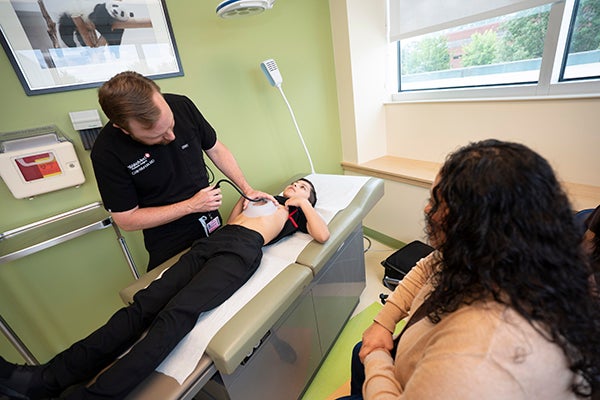
"Joel was less active than my youngest, so when he had to wear it, he would complain of it popping off since he is always moving."
Brainstorming with Dr. Muncie, Katty found creative ways to help him stick with treatment, wrapping a supportive brace around the vacuum bell, so he could move around without the device losing suction.
Dr. Muncie weighs in: "Kevin proved to be a good candidate for the vacuum bell because we began treatment at a younger age, and his pectus is not as severe. As long as he is compliant with regular wear, he should see significant improvement. It may not cure his pectus, but it could support him enough to prevent the development of symptoms that would require surgery in the future."
A Mother's Instinct and the Courage to Speak Up
Looking back, Katty has one message for other parents.
"If you feel like something isn't right, keep asking questions."
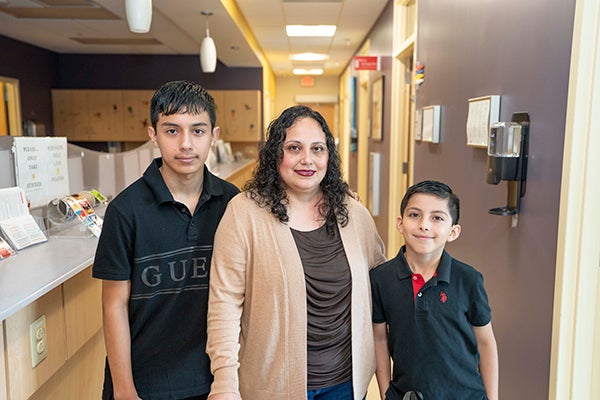
She also hopes primary care providers recognize that while many children with pectus excavatum never develop symptoms, others do — and early referral can make a meaningful difference.
"The best outcome is helping children before the condition becomes severe enough to require surgery," Katty comments.
Dr. Muncie has also appreciated the journey with this family.
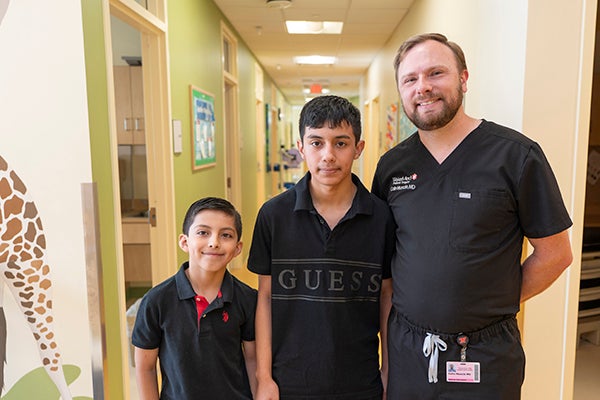
"In surgery, we operate on a fair number of patients who have a simple problem," explains Dr. Muncie. "We fix it, and they're gone. With Joel and Kevin, this is a case where I took care of two brothers for a long time, from the start of their care journey. It's been very satisfying to get to know them, provide treatment, watch them recover and see them doing so well."
A Chance at a More Active Life
Today, Joel is breathing easier, living with greater confidence and preparing for soccer tryouts.
"I'm happy," Joel offers with a smile. "I get a chance at a normal life."
Katty shares his joy.
"We had been afraid to travel by plane due to cabin pressure and the high altitude where our family lived in Mexico. We recently visited, and Joel had no issues. I couldn't be more happy for my son."
Chest Wall Deformity Center
WakeMed’s Chest Wall Deformity Center brings decades of expertise helping both children and adults overcome the challenges associated with these common congenital and acquired problems. Whether you or your child has been diagnosed with pectus excavatum, pectus carinatum, Jeune’s syndrome or a rare chest wall deformity, our expert surgical and support teams can guide you through your treatment journey — every step of the way.
Children's Hospital
WakeMed Children's Hospital is proud to be the only pediatric inpatient care provider in Wake County, caring for thousands of babies and children each year and always providing the highest level of care and caring to our youngest patients.