"Could Your Gut Be the Key to Unlocking Better Mental Health?" Dietitian Parul Kharod Explains
May 5, 2026
Medically reviewed by Parul Kharod, RD, LDN
Ever thought about how our eating habits affect our mental well-being? Maybe that tub of ice cream we consumed to escape feelings of sadness made them stronger. It’s possible that the candy bar we ate to boost our energy before an afternoon meeting made us feel more tired and worsened our brain fog. Although it is well known that junk food can contribute to physical health issues, could it also be true that consuming processed, packaged and sugary items may adversely affect our mental well-being?
We spoke with dietitian Parul Kharod, RD, LDN, from WakeMed Nutrition Services, to gain insight into the connection between nutrition and mental health.
Explain the gut-brain axis.
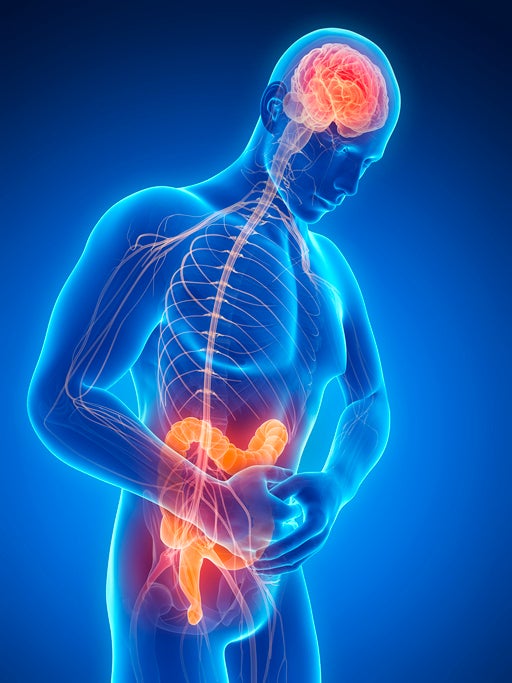 I frequently ask patients, “Did you know that we have two brains?” At first, they are surprised, and they typically reply, "Yes, the left and right side. I have to clarify that we literally have two brains in our body.
- Our brain and spinal cord are part of the Central Nervous System (CNS).
- Just as we have neurons in our brain, we also have neurons in our gut. The Enteric nervous system (ENS) is a web of various types of neurons embedded in the wall of the gastrointestinal system, stretching from the lower third of the esophagus right through to the rectum.
- The enteric nervous system, often referred to as the “second brain,” consists of an estimated 200 million to 600 million neurons. Signals travel between the CNS and ENS through the vagus nerve. This two-way communication is referred to as the gut-brain axis!
- In simple words, we have two brains — one in the head and one in the gut, and they talk to each other! When we have a “gut feeling” to make a decision or feel “butterflies in our stomach” when nervous, we're likely getting signals from our second brain.
- What we eat and how we feed our bodies has a tremendous impact not just on our physical health but also our brain health and mood.
How does food fuel the brain?
The gut-brain axis involves complex back & forth signals, with the brain sending messages to the gut and vice versa. These communications are also shared with the endocrine glands, immune system, and the autonomic nervous systems (ANS). Therefore, stress signals from the brain can affect digestion, and the gut can also send signals that similarly influence the brain.
Gut microbes (probiotics that live in our gut) appear to play a key role in sending and receiving these signals. What we eat — or don’t eat — determines the composition of our gut microbes. Our diet directly affects mental health due to the impact that the gut microbes have on brain function.
What role does fiber play in brain health?
Fiber from our diet is crucial for a healthy digestive system, serving purposes beyond just promoting regular bowel movements. Specifically, prebiotic fiber nourishes the beneficial probiotics residing in our gut. These gut microbes use prebiotic fibers to generate neurochemicals that contribute to our overall well-being.
They provide the following mood enhancements:
- Calm
- Anxiety prevention
- Focus
- Mood boost
The microbes and their signals also control our emotions, pain centers and brain chemistry related to appetite and cravings.
Serotonin plays a crucial role in maintaining our calmness and positivity, significantly influencing our self-esteem. Elevated levels of this hormone foster feelings of accomplishment and security. Interestingly, nearly 90 percent of the serotonin our bodies require is produced in the gut by beneficial microbes. These gut microbes also impact other neurochemicals, highlighting the importance of a fiber-rich diet to promote microbial diversity and overall well-being.
Gut health in individuals with ADHD is greatly affected by neurochemicals.
Do carbohydrates and sugar have a negative and/or positive impact on the brain?
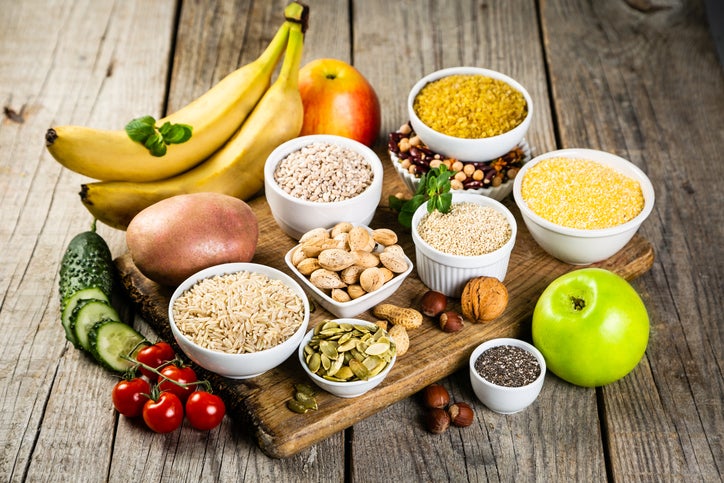
It is crucial to distinguish between sugar and carbohydrates. Complex carbohydrates play a vital role in our diet as they are the primary source of dietary fiber. Whole grains and beans provide the necessary fiber that our bodies need. Additionally, the brain predominantly depends on glucose derived from carbohydrates for its energy needs.
Here are some brain benefits of complex carbohydrates:
- Energy release
- Memory support
- Cognitive performance
On the other hand, simple sugars have a negative impact:
- Blood sugar fluctuations, which can worsen mood swings
- Sugar cravings due to impacts to the reward centers in the brain
- Mild inflammation, contributing to fatty liver
Consuming too much sugar along with processed and packaged foods that contain preservatives, additives, artificial colors and chemicals can lead to an increase in harmful microbes. When the number of harmful microbes exceeds that of beneficial ones, the condition is known as dysbiosis and can result in other issues, such as leaky gut.
What impact do protein and fat have on the brain?

Protein, composed of amino acids, plays a crucial role in maintaining normal brain function. The brain relies on amino acids derived from proteins, such as tryptophan, tyrosine, arginine, and histidine, to produce various neurotransmitters and neuromodulators that facilitate communication within the nervous system.
A common misconception is that protein sources are limited to meat. However, excessive consumption of animal protein can lead to increased saturated fat intake, which is detrimental to brain health. Although the brain is largely composed of fat, it does not necessitate a high-fat diet for optimal functioning.
The brain specifically benefits from certain fats, particularly eicosapentaenoic acid (EPA) and docosahexaenoic acid (DHA), both of which are essential omega-3 fatty acids. While the brain can synthesize most of the lipids it requires, it cannot produce the omega-3 fatty acid, DHA, making it vital to obtain this nutrient through dietary sources.
Omega-3 fatty acids are readily available in all plant foods:
- Walnuts
- Chia seeds
- Hemp seeds
- Flax seeds
- Edamame
- Leafy greens
- Seaweed algae
Here are some brain benefits of omega-3 fatty acids:
Diets high in unhealthy saturated and trans-fat lead to disruptions in the hypothalamus area of the brain, responsible for controlling body weight balance and metabolic processes. Consuming too much leads to higher levels of lipids in brain tissues, which is likely to have harmful effects on brain function. In considering mental function, incidence of dementia is on the rise, with studies indicating that obesity and a higher intake of fatty foods heighten the risk of developing dementia.
What is the impact of dairy and gluten on the brain?

More research is needed to determine the impact of dairy and gluten on the brain. The research is ongoing for certain types of inflammation, autism and Parkinson's disease.
The theory is that when casein proteins in milk as well as gluten proteins in wheat, rye and barley breakdown into smaller compounds called casomorphines and glutamorphenes, these act as opioids, affecting the opioid receptors in the brain. When these opioids are formed, they cross the blood-brain barrier and are related to increased inflammation, including cortisol levels and neuro psychiatric disorders.
Studies are ongoing regarding the impact of casein and gluten on schizophrenia, bipolar, autism and more.
Casein-free and gluten-free diets are being studied for certain brain disorders and developmental disorders.
What should we eat for good mental health?
Incorporating healthy foods into our everyday meals can greatly support our mental well-being.
These foods encompass some of the healthiest choices for our diet:
- Leafy greens — Greens contain a ton of antioxidants, folic acid, vitamin E and beta-carotene — all nutrients that support brain health.
- Cruciferous vegetables, including broccoli and brussels sprouts contain sulforaphane — a powerful antioxidant that can cross the blood brain barrier and reverse damage.
- Dark colored fruits and vegetables, especially berries contain polyphenols that are anti-inflammatory.
- Nuts, seeds, avocado, olives, fish include proteins, minerals and monounsaturated fats that support brain structure.
- Beans, peas, lentils, soy contain for fiber, proteins, complex carbohydrates and minerals.
- Whole grains and starches, such as oats, quinoa, brown rice and sweet potato offer fiber, complex carbohydrates and minerals.
- Spices, including turmeric, cinnamon, ginger and garlic, contain anti-inflammatory properties to reduce amyloid formation in the brain.
What foods should we avoid?
A bag of chips or a ready-made microwave meal might appear innocuous and be quite tasty, yet the long-term effects on brain mental health should not be overlooked.
These are the foods we should significantly reduce in our diet:
- Junk food (processed and packaged foods)
- Cured meats
- Simple sugars (candy, sweetened beverages, cakes, cookies, pies)
- Foods with excess saturated and trans fat (fatty cuts of meat, butter)
- Alcohol
- Unnatural sugar substitutes
- White rice
- Fried foods
About Parul Kharod, RD, LDN
Parul Kharod is a registered dietitian and licensed nutritionist with clinical interests in gastroenterology, food allergies, kidney disease, kidney stones, diabetes and heart health. She counsels adult and pediatric patients in the outpatient setting. Besides individual nutrition counselling, Kharod also teaches group classes for WakeMed's Diabetes Management Program and is a member of the Prevention Team at WakeMed Urology Kidney Stone Clinic. She leads a support group for Celiac and food allergies as a branch of the Gluten Intolerance Group. She has a global perspective about diverse eating habits and is able to assist people in making appropriate lifestyle changes while still conforming to their cultural preferences. She believes in a "no-diet" approach, focusing on practicality and balance to improve overall health for the mind and body.
About WakeMed Nutrition Services
The foods you choose play an important role in managing your health. WakeMed Nutrition Services is here to help.
Whether you are leaving the hospital or being referred by your primary care physician or other provider, you may benefit from working with a registered dietitian (RD). Our goal is to help you focus on behavioral and lifestyle changes designed to prevent and treat disease and achieve optimal long-term health.
Disclaimer: The advice of individual medical providers serves as guidance from the specific provider and is not intended to establish standards of clinical practice or rules of law for WakeMed Health and Hospitals.