Children & Body Safety
July 17, 2025
Many adults aren’t sure how to talk to kids about tough topics like abuse. The good news? Parents can naturally weave in body safety and abuse prevention during general safety conversations — like speaking up about a concern and trusting your instincts.
Heather Williams, MD, medical director of WakeMed’s Child Maltreatment Team and director of SAFEchild Advocacy Center, says it’s vital to start these talks early and have them often. As a mom and child abuse expert, she emphasizes giving kids the language and confidence to understand their bodies and set boundaries.
“Teach young children the correct names for body parts so they can clearly express concerns,” says Dr. Williams. “Explain that the areas covered by bathing suits are private and others shouldn’t look at or touch them.”
If a doctor needs to examine private areas, explain what’s happening and why. A trusted caregiver should always be present to help children feel safe and supported.
“Talking to children about boundaries early on and often can make a big difference for the rest of their lives,” says Dr. Williams.
What is child abuse?
Children’s Advocacy Centers of North Carolina provides information to help parents talk about abuse with children. The information below is available at cacnc.org along with answers to other tough questions, abuse prevention tips, signs and symptoms, mandatory reporting laws and resources available across the state.
Child abuse is when an adult hurts a child, and it is not an accident. Hitting, constant yelling or unwanted touching can all be child abuse. If someone is hurting you or making you uncomfortable, ask the person to stop or leave and tell someone you trust about what happened.
Physical abuse is when an adult hurts a child:
- Hitting
- Shaking
- Choking
- Burning
- Pinching
Beating or any other action that causes pain or injury.
If you are physically abused, you may notice cuts, bruises or other marks on your body.
Emotional abuse is when an adult hurts a child differently:
- Yelling at the child
- Threatening to leave
- Saying mean things
If you are emotionally abused, you may feel like you are all alone and that no one cares about you.
Child sexual abuse is when someone touches the private parts of a child’s body or has a child touch the other person’s private parts. It is also sexual abuse if an adult shows a child pictures or movies of people without their clothes on or takes these types of pictures or movies of a child. If someone is sexually abusing you, you may feel uncomfortable, scared, or confused.
Neglect is when an adult does not give the food, care, or place to live that a child needs. If you are neglected, you may not have clean clothes, a bed to sleep in, or medicine when you are sick.
It’s Okay to Say NO
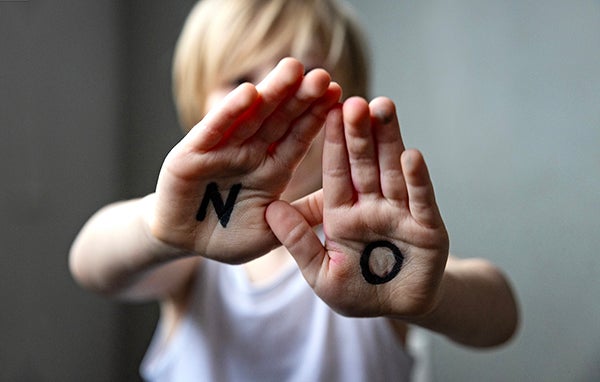
Dr. Williams says children should be taught that they are allowed to say “no” to touches and other situations that make them uncomfortable.
“Because children are frequently taught to follow rules and do what they are told, they may be uncertain about their right to say ‘no’ when it comes to their body,” says Dr. Williams. “Talking to children about boundaries early on and often can make a big difference for the rest of their lives.”
Even hugs can be something children feel unnecessarily pressured to give at times. Dr. Williams encourages parents to support their child when they say “no” even if it creates an awkward experience momentarily with groups of friends and family.
Respecting a child’s decisions to say “no” to seemingly innocent hugs or other body touching early on is important because it is the start of their understanding about consent and bodily autonomy — the right to privacy and control of one’s own body.
Secrets vs. Surprises
Children should know the difference between secrets and surprises. They should know that secrets should not be kept from their trusted, safe adults.
“Explain that a surprise is something that someone will eventually find out — like a birthday gift, but secrets tend to be something that someone never finds out,” says Dr. Williams. “Secrets can be dangerous because child predators frequently manipulate children with secret-keeping.” Children should feel like they can tell their parents or caregivers anything, even if they’ve been told by someone else to keep something a secret.
Reassure Children & Be Their Safe Person

Cristin DeRonja, executive director of SAFEchild and board president of Children’s Advocacy Centers of North Carolina, encourages parents and caregivers to ensure children know they won’t get in trouble for asking questions or expressing concerns about something that has happened.
“If a child shares something they’ve experienced, seen or heard that makes them uncomfortable, they need to know you’ll listen and won’t be upset,” says DeRonja. “Let them know they won’t be punished for speaking up – for themselves or others.”
When a child comes to you, give them your full attention. Show them you take them seriously. Feeling heard makes it more likely they’ll come to you again in the future.
Recognizing & Reporting Abuse
Each child is unique, so common signs of abuse may not be present in all cases. Children’s Advocacy Centers of North Carolina offers the following signs as a guideline to help adults be more mindful advocates for children.
- Sudden changes in behavior
- Regression to earlier behaviors
- Fear of going home or to previously trusted places
- Changes in eating
- Changes in sleeping
- Sudden changes in school performance and attendance
- Lack of personal care or hygiene
- Risk-taking behaviors
- Inappropriate sexual behaviors
- Unexplained injuries
If a child is in immediate danger, call 911. North Carolina is a Mandated Reporting State. If you are aware or have reason to believe that a child is the victim of child maltreatment, NC law requires that you report what you know to both local law enforcement where the crime occurred and the Department of Social Services where the child resides. Visit cacnc.org for information about child abuse, prevention and resources for victims of abuse.
Reading Resources
Dr. Williams recommends the books below to support ongoing conversations. Be sure to give children a chance to ask questions about what they learn in the books.
- For Girls:The Care and Keeping of You (There are versions for younger and older girls)
- For Boys: Guy Stuff – The Body Book for Boys
SAFEchild, a nonprofit that is supported by WakeMed, provides child abuse prevention programs and resources for families. The SAFEchild Advocacy Center (safechildnc.org) provides hope and healing for victims of child abuse.
This article is adapted from Families First. Subscribe here.