Winning the Food Fight: Practical Picky Eater Solutions from WakeMed Dietitian Olivia Fassino
August 1, 2025
Medically Reviewed by Olivia Fassino, RD, LDN
Has mealtime become a war zone in your family? Are you exasperated by your children coming home from school day after day having eaten nearly nothing in their lunch box? Navigating picky eating can be frustrating for parents and stressful for children.
With daycare and school ramping back up, we chatted with WakeMed dietitian Olivia Fassino, RD, LDN, to explore strategies for transforming fussy eaters into more adventurous foodies.
Decoding the Picky Plate
Children can be picky for many different reasons.
Neurological Differences
Neurological differences, including autism and attention deficit hyperactivity disorder (ADHD), can result in picky eating.
Specifically for children with autism, many experience sensory issues that cause aversions to certain food textures, resulting in very limited eating.
Then, many children with ADHD who struggle with distraction, forget to eat. When it comes to mind, they may resort to quick processed snack foods, including crackers and chips. Without the exposure of sitting down for a meal and trying different foods prepared by their parents or guardians, they may eventually lack key nutrients. Additionally, medications administered to these children may suppress their appetite during their waking hours. Since they may not be hungry, they may be less inclined to try new foods, resulting in food selectivity.
Mechanical Issues
Children with mechanical issues may have trouble eating certain foods. Those born prematurely may have feeding difficulties, such as trouble chewing or swallowing, which can make eating an unpleasant experience.
Children with tongue-ties may have less range of motion that hinders their ability to move food around their mouths and chew properly. This can lead to discomfort, an increased risk of choking and, potentially, the development of food aversions.
Lack of Exposure
Another reason, and often the most common reason why children become picky eaters is due to lack of exposure. The Centers for Disease Control and Prevention (CDC) recommends introducing solids to babies around six months of age. By this time, children should be showing signs they are ready for solids, including displaying good head and neck control and sitting up with little to no support. Infants may play with their food or throw it on the floor. This is a form of exploration. Allow the child time to become accustomed to new foods.
If parents feed children foods they prefer from a limited section and refrain from exposing them to foods they may not recognize or find interesting, this also limits their palettes, potentially leading to picky eating.

Going Beyond "Just Try It"
- Children with autism and mechanical issues may need to see a speech language pathologist or feeding therapist to help them with sensory challenges and/or mechanical issues.
- For children with ADHD who forget to eat, a regular feeding schedule with check-ins can help ensure they eat a variety of foods.
- When it comes to lack of exposure, parents can do quite a bit at home to assist during meals.
- Expose children to a variety of foods at a young age, ensuring they are eating age-appropriate solids around six months old.
- Place a small amount of a new food on their plate. If they refuse it, don't force them to eat it, but keep trying. It can take a child 10 to 20 times of exposure to a food before they will willingly eat it.
- Prepare the new food in different ways, such as serving carrots raw, boiled or roasted.
- Allow children to play with food while sitting at the breakfast/dinner table. Any exposure to food is a good one.
- If they are completely adverse to trying a new food, ask them to smell it or simply lick it without requiring them to swallow.

Identifying a Picky Eater's Palette
It's important to understand that children aren't considered picky eaters because they dislike certain foods within a food group. Some kids do not enjoy brussels sprouts, for example. Yet, if that child eats plenty of other vegetables, this isn't a picky eater issue. The concern is for a child who eliminate a main food group, such as protein.
For a child who avoids entire food groups, the pediatrician or primary care provider should be notified, so he/she can run labs to determine if there are nutritional deficiencies.
Another sign of picky eating is a child who will only eat certain textures of foods within a food group, such as a child who will only eat soft chicken nuggets for protein but will not eat any other meats.
Parents and guardians should also be concerned if a child is a picky eater and is also experiencing unusual fatigue and is underweight for their height compared to other children.
Multivitamins can help, but the goal is that eventually children receive their vitamins from foods rather than supplementation.
Moving From Fussy to Foodie
A balanced meal should include a protein, a whole grain and a fruit/vegetable. Healthy snacks should include protein and fiber.
Lock in Those Nutrients
For picky eaters, here are some tips to add nutrients while you build their willingness to try new foods:
- Consider multivitamins as they are can be a good back up or insurance plan for varied nutrients.
- Protein supplements/drinks can also help with nutrition.
- Monitor sugar intake when trying to increase nutrients. Nutrient-dense drinks for children should not be loaded with sugar.
Change a Child's Mindset Around Certain Foods
- A great way to get a child to willingly eat certain foods is to allow them to help prepare the food. Make sure their assistance is age appropriate. Use a kid-safe knife. Allow a child to crack eggs.
- Weekends and school breaks provide ideal times to try extensive exploratory food play. Set up spaces outdoors and let them make a mess. Here are some activities:
- Make bracelets and necklaces with dry pasta.
- Separate different colored and shaped foods into different plates.
- Use oats, seeds and nuts to make artwork.
Simply touching these different textured foods can give them welcome exposure to help them become accustomed to the way they feel and smell, increasing their willingness to try them.
Proceed with Caution
Mealtime should be pleasant, so for children with major food aversions and neurological differences, such as autism, it is critical not to change the eating environment too much.
- Allow the child to have a standard place to sit at the table.
- Allow the child to use favorite eating utensils, plates, bowls and cups.
- Add new foods to a separate plate next to the child's plate, such as a spoonful of beans or salad on a nearby saucer. Begin to do this daily/nightly and inform the child that this is where we place new foods for consideration.
- Prepare favorite foods in a gradually healthier way. For example, if a child loves strawberry-flavored yogurt, provide it, and cut up a strawberry and place it inside. Once he/she is willing to eat that, move to plain yogurt with cut up strawberries inside.
- Avoid making the eating experience emotional to eliminate the chance for upset and engrain a negative experience.
Know When It's Okay to Push a Bit
For neurotypical children, it's okay to be a bit stricter about meals.
- If the child, for example, only wants pizza night after night, provide the meal the family is eating along with a small portion of the food the child prefers. If the child finishes the preferred food and demands more, don't be afraid to be firm and share that if more food is desired, the child will need to eat what the rest of the family is eating. Often, in time, the child will be hungry enough to indulge in offered foods.
- If a child loves a certain food, slowly reintroduce that food prepared in a healthier way. For example, for children who love fried chicken nuggets, provide a few fried chicken nuggets as well as baked chicken nuggets. Add their favorite sauces, such as ketchup or honey mustard. This way, picky eaters don't feel they have nothing to eat. Typically, these children will be hungry enough to indulge in their favorite food prepared in a different way.
- If a child has eaten very little during a meal because of the introduction of new foods, provide a bedtime snack that includes a preferred food. For example, consider cheese and crackers or yogurt with berries. The snack does not need to be the same food offered at dinner. In this way, picky eaters can experience satiety and sleep through the night to avoid throwing off their sleep schedule.
- Ultimately, know that there is no one-size-fits-all approach, and if one of these ideas does not work, consider a different approach.
Trying the Picky Eater Recipe Playbook
To ensure picky eaters have a balanced diet, here are some kid-approved, healthy meal options:
Breakfast
- A protein waffle with sliced fruit is a good option.
- A fruit smoothie with spinach added is great for kids who want to eat on the go.

Lunch
Lunchtime at daycare and school is tough because children have a very limited amount of time to eat and often prefer to spend that time chatting with friends.
- Parents should make a list of a child's favorite foods within each food group and place one of each of those in the lunch box.
- Avoid introducing new foods at lunch when a child is with peers since this is likely to be traded with other children for preferred foods.
- In desperate situations where malnutrition is an issue, inform the school of a child's need to eat during lunch, and ask the staff to monitor intake.
- Make favorite foods in a healthier way. If a child loves Lunchables that includes foods, such as pepperoni, crackers, cheese and a piece of candy, make a Lunchable with cuts of unprocessed meat, cheese, whole grain crackers and fruit.
Dinner
Children love comfort food after a day of work and play at daycare or school, so press into this with yummy foods that are healthy too.
- Chicken, cheese and mashed potato bowls with small bits of veggies are a win.
- Air fryer fish are crispy, so they will feel like fish sticks to kids — without the added grease.
- Most kids love a taco Tuesday. Consider black bean, avocado and corn wrapped in a whole wheat tortilla.
- Who doesn’t love spaghetti? Try a veggie packed sauce by roasting a variety of vegetables then blending until smooth. Carrots, bell peppers, zucchini and tomatoes go well together.
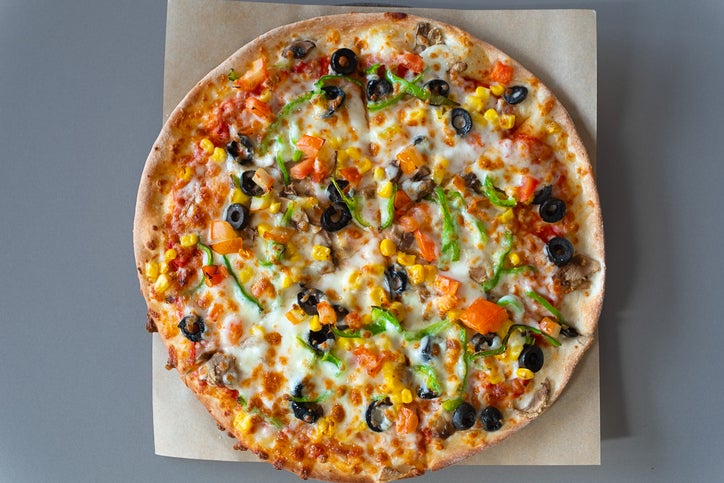
- Pizza is typically a fan favorite amongst kids. Try a standard cheese pizza layered with a variety of vegetable toppings and melty cheese.
Snack
As mentioned earlier, typical snacks should include a protein and a fiber.
- For children who love peanut butter crackers, switch these out with whole grain crackers and no-sugar-added peanut butter.
- For children who love chips and dip, switch to hummus with vegetables. Kids get the savory taste and crunch in a nutritious form.
- For the sweet tooth, instead of a candy bar, consider a trail mix made of nuts, plain original Cheerios and a few chocolate chips.
Moving from Picky to Willing is Possible
Overcoming picky eating is a process, but proven strategies can guide children towards more diverse and nutritious food choices over time.
About Olivia Fassino, RD, LDN
 Olivia Fassino is a registered dietitian with clinical interests in pediatric nutrition specifically infant nutrition, slow weight gain in infants and pediatrics, malnutrition and eating disorders. She earned her bachelor's degree from University of Georgia in Athens, GA. She continued her education, completing a master's degree at Meredith College in Raleigh, NC.
Fassino empowers children, encouraging them to have a positive relationship with food in order to develop lifelong healthy habits.
When not working, Fassino enjoys running, cooking, sewing and spending time with family and friends.
Disclaimer: The advice of individual medical providers serves as guidance from the specific provider and is not intended to establish standards of clinical practice or rules of law for WakeMed Health and Hospitals.