Understanding Your Health Care Rights: A Guide to Advance Care Planning and Medical Power of Attorney
July 17, 2025
By: WakeMed Health & Hospitals
Categories: Spiritual Care, Raleigh Campus, Cary Hospital, North Hospital
Tags: advance care planning, Medical Orders for Scope of Treatment , Health Care Power of Attorney , Living Will, Five Wishes, Do Not Resuscitate orders, NC Practical Form, durable power of attorney, health care agent
Let's be honest. Discussing future plans for a serious medical emergency, sickness or terminal illness is uncomfortable. The reality is that death and the process of dying are integral aspects of life, just as birth and living. Medical events can evoke intense emotions — not just for hospitalized patients — but also for family and friends who are facing the potential loss of a loved one. Having conversations in advance can help set goals of care ahead of time, ensuring the process proceeds smoothly. This way, everyone will be informed about medical preferences and can confidently share them with care teams when necessary.
In light of this all-important aspect of hospitalization, we sat down with WakeMed Spiritual Care chaplain Tina Morris-Anderson to better understand what is involved in advance care planning and how to go about putting a plan in place.
What is advance care planning?
Advance care planning is a proactive approach that involves making decisions and engaging in discussions about future health care preferences. This ensures that patients' wishes are upheld if they lose the ability to make decisions for themselves or cannot communicate those decisions due to an illness, cognitive decline or accident. Advance directives provide essential guidance for health care professionals. Various types of advance directives exist, including Health Care Power of Attorney (HCPOA), a Living Will, “Five Wishes,” Medical Orders for Scope of Treatment (MOST), and Do Not Resuscitate (DNR) orders — with the latter two requiring a physician signature.
Do WakeMed patients receive information about advance care planning?
Patients in the hospital have the option to request advance care planning through their nurse or physician. This process allows them to discuss their health care preferences and make informed decisions about their treatment. Hospital staff are encouraged to work with the WakeMed Spiritual Care department, which can provide additional support and guidance in navigating these important conversations with patients and their families. Ensuring patients feel comfortable and informed about their choices is a vital aspect of their care experience during their hospital stay.
Does the WakeMed Spiritual Care Team help with advance care planning?
Yes, chaplains provide patients and their loved ones with valuable assistance with advance care planning education and the completion of necessary paperwork. In North Carolina, it's essential for a Health Care Power of Attorney (HCPOA) and/or Living Will to be signed in the presence of a notary and two witnesses. For convenience, the NC Practical Form (HCPOA/Living Will) is accessible on the Spiritual Care Department page of WakeMed's website. It’s important to note that a patient must have the capacity to make decisions in order to complete an advanced directive.
Who decides when to remove life support or not resuscitate?
In North Carolina, the decision to withhold resuscitation from a patient in distress rests with the patient’s designated health care agent. When no agent is appointed, the law outlines a hierarchy for surrogate decision-makers, prioritizing those closest to the patient, such as a spouse, parent or adult children. This careful structure ensures that the patient’s wishes and values are honored during difficult times, reflecting a deep respect for individual autonomy and the profound emotional weight of such decisions.
What is the difference between a Durable Power of Attorney (POA) and a Healthcare Power of Attorney (POA)?
A Durable POA covers financial and legal decisions, while a Healthcare POA only covers medical decisions. A health care agent does not have the authority to make decisions regarding finances and assets. Such decisions would be governed by a durable power of attorney, which outlines financial responsibilities and actions. This distinction is important in advance care planning, as it ensures that financial and health care decisions align with the wishes of the individual while providing clarity and support to loved ones during difficult times.
What does medical power of attorney involve?
In North Carolina, patients can designate a trusted adult as their "health care agent" to make medical and mental health decisions on their behalf if they are unable to do so. This important legal document not only names a chosen agent but also allows patients to outline their preferences for treatment. It is vital for patients to engage in open conversations with their health care agent about the types of care the patient would want or not want, ensuring the health care agent is well-informed of the patient's wishes. This thoughtful planning can provide peace of mind for all during difficult times.
Are fewer efforts made for lifesaving care when a patient is an organ donor?
No, the decision to be an organ donor does not impact the level of care provided to a patient. Care teams will always prioritize lifesaving efforts in accordance with the patient's or family's wishes. Advance care planning documents will be respected, even if this means that some organs may not be suitable for donation after death. It's crucial to understand that the focus remains on compassionate care and honoring individual choices, ensuring that every patient receives the treatment they want and deserve.
About Reverend Tina Morris-Anderson, MBA, MA
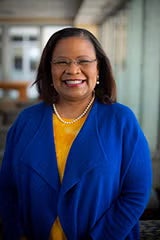 Reverend Tina Morris-Anderson provides spiritual care support and counseling for the WakeMed Center for Community Health and for WakeMed Home Health. She also leads for chaplaincy research for the WakeMed Spiritual Care department. An ordained Baptist minister, Tina holds a bachelor's, master's and master of business administration (MBA) from Duke University as well as a master's in pastoral counseling from Regent University. She has worked in the public, private and non-profit sectors and performs as a professional vocalist. Morris-Anderson lives in Raleigh with her husband Paul; they are the proud parents of two sons: Paul II and Noah.