Support and Balance for Caregivers: A Resource Guide
January 16, 2026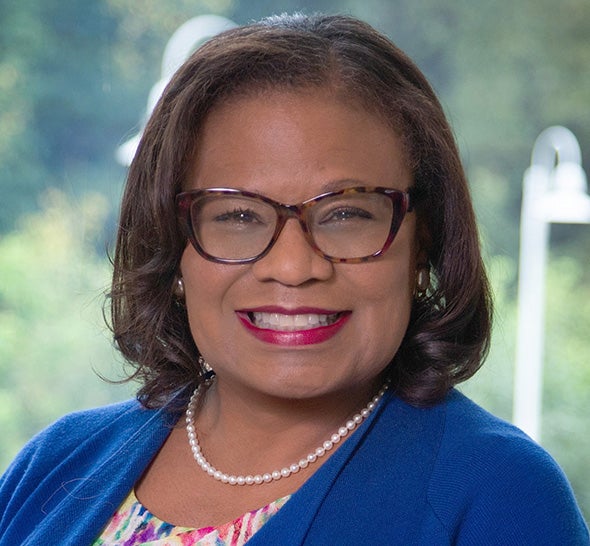
By: WakeMed Health & Hospitals
Categories: Spiritual Care, Mental Health & Well-Being
Tags: caregiving
- It was sudden. Your dad fell from a ladder and suffered a severe spinal cord and leg injury. It was a striking moment that changed the trajectory of his life, and now you're his caregiver.
- It was gradual. You noticed your mom putting things away in odd places. Next, she began getting lost while driving when she'd previously had sharp spatial orientation. A family physician then diagnosed your mom with Alzheimer's. You find you're no longer her occasional helper but now a full-fledged caregiver.
- It was unexpectant. You and your spouse were excited about bringing home a new baby. Labor went well, but complications during delivery resulted in the baby not receiving oxygen for a period of time. Your baby is born with brain damage. Without time to grieve the child you thought you were having, you find you're a lifelong caregiver and advocate for your child.
Shocking Statistics on Caregivers
WakeMed Spiritual Care chaplain, Tina Morris-Anderson, has a lot of experience working with family caregivers.
She shares this sentiment from Rosalyn Carter to express the enormity of it: "There are only four kinds of people in the world: those who have been caregivers, those who are currently caregivers, those who will be caregivers and those who will need a caregiver.”
Heather Burkhardt, associate state director for the Triangle Region of AARP, says caregivers play a vital role in the health and longevity of those enduring medical conditions.
Here are a few more facts from the AARP and National Alliance for Caregiving report — Caregiving in the United States 2020:
- 48 million caregivers are in the United States.
- 61% of caregivers are also employed.
- 1.19 billion hours are given annually to caregiving.
- $16.5 billion is the unpaid labor cost of caregiving.
- 39% of caregivers are men and 61% are women.
- Annually, caregivers spend $7,200 in out-of-pocket expenses to aid care recipients.
- The average caregiver is a 49-year-old woman, working 35 hours per week, while caregiving 25 ours per week.
The Unique Challenges of Caregiving
Caregiving comes with unique challenges and each experience is different. While some are live-in caregivers, others help with groceries, meal prep, complete household chores, provide transportation and even serve as companions. Each experience is different, and, as such, the needs of caregivers are diverse and far reaching.
Morris-Anderson reminds us in this quote by Tia Walker, author of The Inspired Caregiver ― Finding Joy While Caring for Those You Love: “Caregiving often calls us to lean into love we didn’t know was possible.”
AARP Family Caregiving Guides are designed to help caregivers navigate each step in the journey.
The first step in caregiving involves determining how best to address the needs of loved ones receiving care. Conversations and considerations regarding home safety, independence and support services are critical.
Home Safety
AARP also offers a comprehensive guide for making a home fit for aging in place. Home safety is not only important for the care recipient, but it also provides peace of mind and fewer hurdles in delivering care.
As Morris-Anderson explains, "Being a caregiver is a unique challenge because it requires us to live life through two perspectives ― ours and the person for whom we are caring."
Here are a few tips for caregivers to consider:
- Entry doors and porches can be equipped with numerous safety features.
- Make sure the door has an overhang to protect from rain, wind, snow and hail. This makes it easier to enter the home when carrying groceries or while unlocking the door.
- Lighting is helpful during the evening hours for better visibility.
- Door peepholes and ring cameras are useful in detecting who is present before opening to visitors.
- Lever-style knobs are easier to open as people age, requiring fewer refined motor skills.
- A solid, heavy, thin doormat is best to prevent mat shifting and people slipping and tripping.
- A bench at the front entryway makes it easier to both put on and remove shoes.
- The entryway should be equipped with various safety and convenience features for easy recall and access.
- Use a shoe cubby to store shoes. This will help prevent hazardous clutter on the walkable surface of the floor.
- Wall hooks can be used for coats, jackets, purses, backpacks and other items.
- A mail bin is great for storing mail.
- Key hooks help with recalling placement of keys, but they should be kept out of the visible line of sight of the home exterior to detract thieves.
- When considering a kitchen that best suits aging, consider mobility issues.
- Reaching can be a challenge with aging, so mid-level drawers, lower hanging above-counter cabinets as well as pull-out bottom drawers and cabinets can make access easier.
- Floor mats can absorb spills. Ensure they are thin and heavy enough to stay in place to prevent falling or tripping on the edge.
- If someone is in a wheelchair, the height of countertops may become an issue. Consider lowering countertops if needed to maintain independence.
- Home furnishings in the dining, bedroom and living room need to be carefully inspected for safety hazards.
- Area rugs should be avoided if use is purely for aesthetics. They increase the likelihood of falling.
- Cords should be run around the room and never across the room. Cords can be damaged, catch fire or become a tripping hazard in high traffic areas.
- Arm rests are great for both chairs and sofa surfaces to support an easier transition between sitting and standing. Avoid ottomans as they do not provide arm rests or back support.
- Purchase furniture with rounded edges to help prevent injury in case of falls.
- Window treatments should be easy to open and close. Drawstrings and curtains should not flow onto the floor.
- Plants clean the air and provide a natural aesthetic for the home, but plant vines can be hazardous. Keep plants securely in place with no hanging vines or leaves. If they are on window sills, ensure the full vase can fit into the window to prevent falling. Hanging plants should be avoided as watering and trimming them increase the chance of injury.
- Bathrooms can pose numerous safety issues.
- Refrain from using shower curbs and lips since they are a tripping hazard and can make it incredibly difficult for those with mobility issues to enter and exit.
- Keep a waterproof seating space in the shower.
- Bathtubs should be heightened, so users will not need to bend all the way down to get in and out of them.
- Shower and bathtub anti-slip guards are important safety features to install.
- Wide walkways help those in wheelchairs easily navigate within the bathroom. For those with uneven gait, guardrails can help.
- Avoid thick mats. Thin, water absorption mats are best to prevent slips.
- Toilet seat risers make using the toilet easier and safer for those with mobility issues.
- Plenty of counterspace can help with storage of often used toiletries. The highest drawers should also be used for the most accessed toiletry items.
- Hallways and staircases provide another opportunity for added safety features.
- Refrain from using thick area rugs in hallways. Ensure rugs are sealed to the floor on all sides.
- Use anti-slip mats on wood stairs. When possible, carpeted stairs are preferable to wooden stairs.
- Stair lifts are an excellent addition for ascending and descending. They can also be used for transporting items.
Memory Care/Physical Disability
With aging, many older adults suffer cognitive and functional decline. While cognitive decline is not unequivocally certain with aging, the likelihood grows as people age, so it is important to monitor for signs of dementia as well as physical disability that could make aging in place more challenging.
- If help is needed for basic tasks, caregivers should ask for help. Oftentimes, friends and family will ask how they can help a caregiver. Maintain a list of tasks, and give specific chores to those who are willing to help. These might include the following:
- Grocery runs
- Care breaks
- Lawn maintenance
- Transportation to appointments and community outreaches
- Cleaning services
- Primary care providers are a great resource for helping caregivers, from providing referrals for personal mental health care to supporting caregivers in discussions on when to "take the keys" from senior loved ones.
Community Resources
Many organizations are available to support caregivers in providing the safest and most comfortable lifestyle for care recipients. In addition to local social services, other organizations include the following:
- Alzheimer's Association
- Lewy Body Dementia Association
- The Association for Frontotemporal Degeneration
- Concussion Legacy Foundation
- Parkinson's Foundation
- Huntington Disease Society
- Dementia Action Alliance
- Dementia Friendly Communities
- Memory Cafes
- National Council of Dementia Minds
- Area Agencies of Aging
- LongTermCare.gov
- State Health Insurance Assistance Programs
- Nursing Home Compare
- Veteran's Administration
- National Alliance for Mental Illness
- AARP Foundation Benefits QuickLink
WakeMed is Here to Help
WakeMed Spiritual Care urges families to consider Advance Care Planning even before a loved one becomes ill to ensure the person's future health care preferences are in place. Knowing the wishes of the loved one can cut down on stress for family members and friends.
Morris-Anderson shares, "Advance Care Planning is important because it allows you to make your own medical decisions even if you are unable to communicate them. Written instructions can alleviate the burden for family and/or friends making difficult health decisions on your behalf. Advance Care Planning involves the time it takes to have a conversation and complete the necessary forms. Completed Advance Directive forms should be shared with family and kept with other important documents. A hospital may scan your documents into your medical chart. The NC Secretary of State has a registry where you can store a copy of your Advance Directives."
Learn more about Advance Care Planning.
About Tina Morris-Anderson
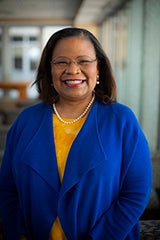 Reverend Tina Morris-Anderson provides pastoral care to cardiovascular patients, families and staff. She is also responsible for chaplaincy research for the department. In addition to serving as a staff chaplain, she serves as the Stress Counselor in WakeMed’s outpatient Cardiac Rehab Program. An ordained Baptist minister, Tina holds bachelor's, master's and master's of busines administration degrees from Duke University, and a masters in pastoral counseling from Regent University in Virginia Beach, VA. Morris-Anderson lives in Raleigh with her husband Paul; they are the proud parents of two sons, Paul II and Noah.