Recovering from Heart Surgery at Home: George Godwin’s Story
April 2, 2026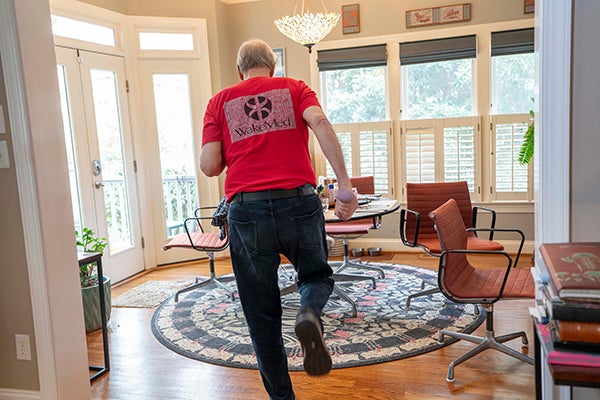
By: WakeMed Rehab & Physical Therapy
Categories: Heart & Vascular, Physical Therapy, Stories, Foundation
Tags: Recora, Cardiac Rehabilitation
“On December 10, 2013, I went to see my primary care doctor in Charlotte and told him I’d been having some intermittent chest pain,” George Godwin recalls. “He didn’t hesitate. He told me to go straight to the emergency room.”
George followed the advice. At the hospital, the medical team moved quickly, starting with an electrocardiogram (EKG). The results raised concern, so doctors ordered a treadmill stress test to take a closer look. After a physician reviewed the findings and determined everything appeared normal, George was sent home.
For a short time, it seemed the scare had passed.
But less than two weeks later, on the evening of December 23, George was getting ready for bed when the pain returned — this time sharper, and on the left side of his chest. Then came the shortness of breath.
His daughter, who was visiting for the holidays, didn’t hesitate. Something wasn’t right. She insisted they head back to the emergency room immediately.
George recalls, "The medical team checked my vitals and placed a nitroglycerin patch on me. The findings all returned normal, so they transferred me via ambulance the next day to another hospital. I joked with the team transporting me all the way to the location as I was feeling fine by then."
Surprise Findings
The care team performed an exploratory cardiac catheterization. They informed George that he had, in fact, experienced a heart attack based on his elevated enzymes. They also found blockages.
George was given an option for stent placement to restore normal blood flow to his heart or a triple bypass that would use three other arteries in his body to go around his damaged heart arteries. He and his wife settled on the triple bypass. The couple bought a small Christmas tree and celebrated the holidays quietly in his hospital room as they awaited his surgery date.
On December 27, he underwent the triple bypass surgery, using arteries from his mammary glands. After recovering in the hospital over the New Year, he was discharged home.
A Return to the Normal Pace of Life
March through May 2014, George participated in a physical therapy rehab program in his community and was able to return to his work in architecture. However, he later began experiencing severe back issues that ultimately required surgery. Over the years, persistent sciatic pain significantly slowed his movement and limited many of the activities and hobbies he enjoyed.
An Invitation to Support Cardiac Health Years Later
Fast forward to 2025, the couple retired and relocated to Raleigh, NC, and George transferred his care to WakeMed. Before long, WakeMed reached out with an invitation to participate in their new virtual intensive cardiac rehab program, per his medical history and insurance benefits coverage.
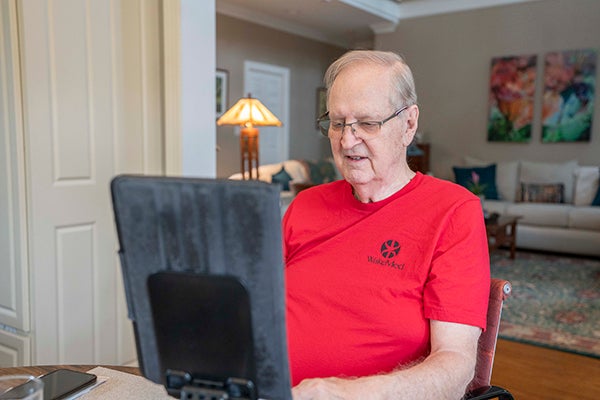
George was offered a six-month program consisting of 73 sessions, with the flexibility to meet up to three times a week. Conducted entirely via telehealth, he could join from the comfort of home – no trips to an outpatient rehab facility required.
Thrilled by the convenience and support, George eagerly signed up.
WakeMed’s Virtual Intensive Cardiac Rehab Program
In collaboration with Recora, WakeMed launched its new virtual intensive cardiac rehab program in September 2025 to bring expert heart care directly to patients at home.
Designed for those recovering from a heart attack, heart surgery, heart failure or other cardiac events, the program provides a flexible, convenient option that fits into real life. Participants work with a team of online cardiac rehab specialists who guide them through personalized exercise plans, nutrition strategies, stress management and heart-healthy education.
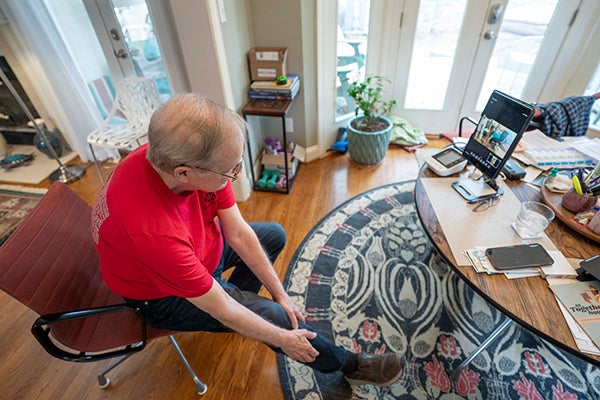
Each participant receives a cardiac recovery kit that includes tools to support safe, effective workouts at home. Through the program’s digital platform, patients join live, guided sessions, track their progress and access interactive resources to help them build lasting heart-healthy habits.
This virtual option complements WakeMed’s in-person cardiac rehab program and expands access for patients who face barriers such as transportation, mobility or busy schedules. By connecting patients with a dedicated team of online specialists, WakeMed is making it easier to stay engaged in recovery, regain strength and move forward with confidence.
George's Program Experience
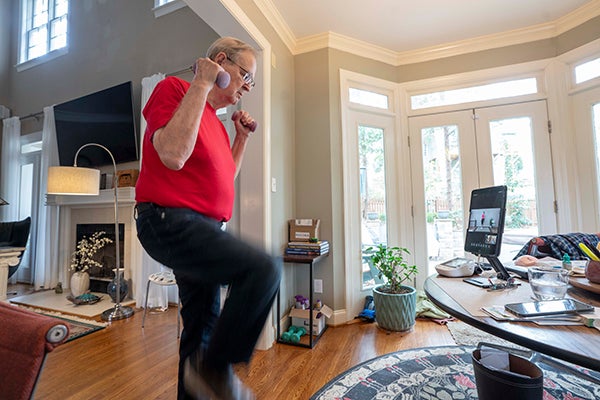
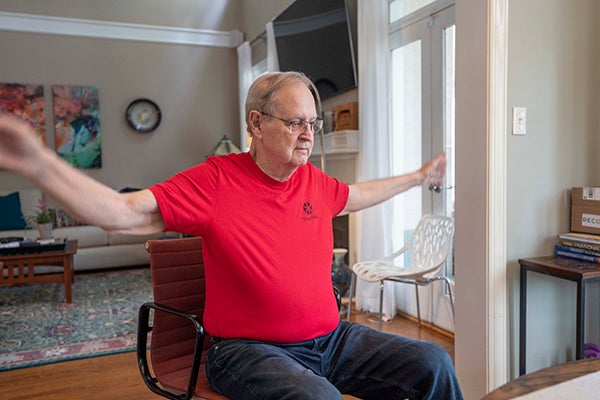
One day per week beginning in November 2025, George reviewed his program progress and diet with a health care provider and up to two days per week, he enjoyed a one-hour session of physical activity involving various movements designed to get his heart pumping.
"I enjoyed it. The exercise specialist who worked with me was young and fit, so this individual modeled what I should do and worked out with me. The program motivated me to eat better, watch my weight and incorporate more movement into my day. I now have more stamina and feel healthier and more limber overall."
George's Life in Retirement
The program has helped him listen to his body and take breaks as necessary, while not using pain as an excuse to be extremely sedentary.
"I'll walk into the store for a little while, no problem, but if I'm standing or walking for more than about 10 or 15 minutes, my back begins to seize up. If I sit for even 10 seconds, the pain goes away, and then I'm able to resume activity for another 10 to 15 minutes. This is how I pace myself to stay active."
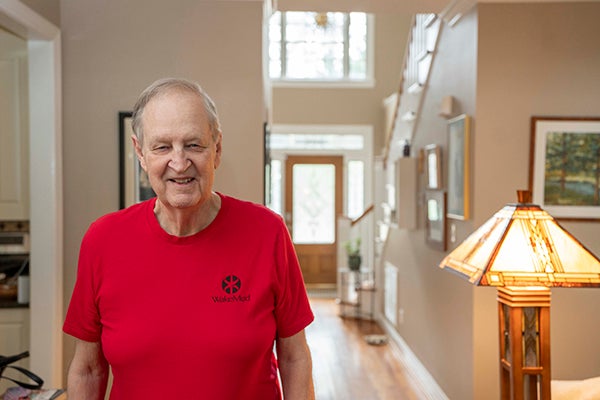
Recently, George visited a friend in Mexico and found that by pacing himself, he was able to manage walking in the airport for international travel. This was a great win for him. He also adopted a small, energetic dog that loves to go for walks. Living very close to two of his grandchildren, staying active also means he gets to participate in their lives.
"With the help of at-home cardiac rehab, I am able to move more and go for a decent walk. It's good to be more mobile again."
About WakeMed Cardiac Rehab
At WakeMed, cardiac rehab isn’t just about recovery – it’s about rediscovering confidence, gaining strength and knowledge to live a heart-healthy life. Our program is tailored for those recovering from cardiac events such as a heart attack, heart surgery (including bypass or valve repair/replacement), angioplasty or stent placement, heart failure or stable angina. Whether you join us in person or virtually, our expert team guides every step of your journey.