Need-to-Knows: Sleepaway Camp for Children with Pediatric Diabetes
May 5, 2025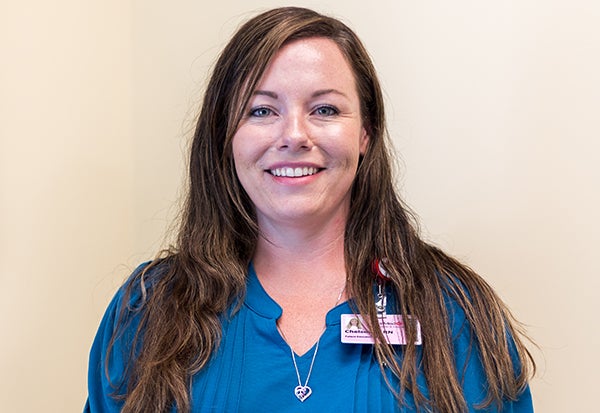
By: WakeMed Children's Hospital
Categories: Children's, Primary Care
Tags: Diabetes, Pediatric Endocrinology
Medically reviewed by Chelsea Stallman, BSN, RN, CDCES
Parenting is demanding, and the challenges are amplified when a child faces a chronic illness, such as diabetes. If your child has recently been diagnosed, you're likely facing a whirlwind of emotions and questions. It's natural to feel overwhelmed, especially when it comes to your child's safety. Rest assured, you are not alone in this journey.
Worldwide, millions of children navigate the challenges of living with diabetes. Fortunately, WakeMed staff is readily available to empower you and your child on this journey. Managing your child's diabetes begins with a thorough understanding of the condition. Diabetes is a lifelong disease that disrupts the body's ability to process food for energy, specifically affecting the way it metabolizes glucose (sugar).
Chelsea Stallman, BSN, RN, CDCES, is a patient educator for the WakeMed pediatric endocrinology clinic. She works directly with pediatric patients with Type 1 and Type 2 diabetes, supporting patients from the onset of diagnosis and teaching families how to properly monitor blood sugars. She also helps start patients on continuous glucose monitors, insulin pumps, blood sugar meters, blood lancets and diabetic test and ketone strips. Her goal is that, with support, pediatric patients with diabetes can enjoy the same activities and experiences as their peers.
We connected with Stallman about summer sleepaway camps to explore how these kids can safely experience the fullness of childhood.
How can parents safely navigate sleepaway camp?
When pediatric patients are newly diagnosed and at each visit, families will receive an updated care plan. Camp directors and counselors should be given the most updated copy of the care plan. It explains when to check blood sugars, expected blood sugars and how to address high or low blood sugars. Camp leadership should also familiarize themselves with the symptoms of high and low blood sugars prior to the camper starting camp while ensuring that someone is trained to address these issues.
Should families verify that staff is trained in caring for children with pediatric diabetes prior to registering for that camp?
Yes. Families should reach out to the camp ahead of time regarding this need. For the most part, camps assign an individual, and ideally more staff, to address diabetic symptoms. Typically, there is a designated person for that pediatric patient. To be safe, families should work ahead of time to communicate that everything is set up for the child, so both the family and camp leadership are comfortable with the child's plan of care.
What supplies will a pediatric patient need for sleepaway camp?
I recommend a child have extras of everything. This would include glucometers, glucometer strips, ketone strips, insulin, extra insulin and a cooler for insulin. If the child is wearing a continuous glucose monitor, families should pack extras of those as well as insulin pumps. Since the child will likely be more active, more fluctuations in the blood sugar are to be expected. Children may also experience monitors falling off with vigorous activity.
Should children with pediatric diabetes have more blood sugar checks while at camp?
Many camps aim to keep children outside for much of the day. They also may provide more sugary sweets, such as s'mores overflowing the chocolate and marshmallows squeezed between two sugary graham crackers.
- Children with pediatric diabetes should check their blood sugar before any meal to verify blood sugar ahead of time.
- They should also have it checked before starting any physical activity, such as a hike or obstacle course.
- Blood sugar should be checked if the child complains of feeling unwell.
- It should also be checked before bedtime.
What are the signs and symptoms of low and high blood sugar?
The symptoms of low blood sugars include the following:
- Weakness
- Shakiness
- Heart racing
- Stomach ache
- Headache
- Visual changes
- Confusion
- Lethargy
- Dizziness
- Profuse sweating
- Feeling cold and clammy
- Anxiety or nervousness
Signs of high blood sugar include the following:
- Irritability and moodiness
- Visual changes, such as blurry vision
- Excessive thirst
- Urinating more frequently
- Extreme hunger
How would someone properly address low blood sugars?
The rule of fifteens is the best plan of action. It includes 15 grams of fast-acting carbohydrates or simple sugars. They should then wait 15 minutes and recheck the blood sugar. Examples of fast-acting carbohydrates include:
- 4 ounces of juice or soda
- Glucose tabs
- Fruit snack candies
- Gusher candies
- Smarties
- Cake frosting
- Skittles
They should, initially, avoid protein-rich foods when treating low blood sugar because they can delay the absorption of carbohydrates. Foods to avoid include the following:
- Peanut butter crackers
- Cottage cheese
- Chickpeas
- Eggs
- Canned fish
- Hummus
- Chocolate
However, these are great foods to follow with once the blood sugar has stabilized since protein and fat will help stabilize the blood sugar for a longer period of time. Only initially should those foods be avoided.
How would someone properly address high blood sugar?
When blood sugars are too high, staff should check ketones and ensure the child is drinking plenty of fluids. If enough time has lapsed since the last insulin dose, a corrective dose would be warranted.
Would you advise a parent to send a child to sleepaway camp who has a diagnosis of pediatric diabetes?
Yes. Many pediatric patients attend sleepaway camp each year. There are North Carolina camps that specifically welcome these children. They include the following:
- ADA Camp
- Camp Morris
- Cape Fear Valley Diabetes Adventure Camp
- Camp Needles in the Pines
- Camp WeCanDo
Yet, my patients with pediatric diabetes also attend general camps, including Boy Scouts and other overnight camps.
If a family has a camp in mind for a child, we are happy to train staff and provide resources, so the child can safely attend the camp.
WakeMed Children's — Pediatric Endocrinology Can Help!
We want children with pediatric diabetes to enjoy everything their peers are doing. It is a matter of preparing ahead of time to best address those situations as well as the what ifs.
WakeMed Children's — Pediatric Endocrinology provides state-of-the-art diagnoses, treatment and management of endocrine problems for children and families throughout Wake County. Visit us at one of our locations in east Raleigh, North Raleigh, Clayton and Apex, N.C.
Our board-certified pediatric endocrinologists care for a diverse population of children ranging in age from birth to 21. Our specialties include treatment of growth, puberty, pituitary, thyroid, intersex, menstrual disorders and many more.