Dr. Aarushi Chopra on School Physicals, Backpack Safety, Screen Time and Mental Health
July 10, 2026
By: WakeMed Children's Hospital
Categories: Children's
Tags: backpack, Mental Health & Well-Being, mental heath, sleep, screen time
Medically Reviewed by Aarushi Chopra, MD
As the school year approaches, annual physicals are an important way to help your children stay healthy, address safety and get ready to learn. From vaccinations and sports clearance to mental health screenings and sleep habits, our pediatricians use these visits to check on a child’s overall well-being at every stage of development.
We sat down with WakeMed pediatrician Dr. Aarushi Chopra, to explore what your kids need for a healthy school year.
Who Needs a School Physical?
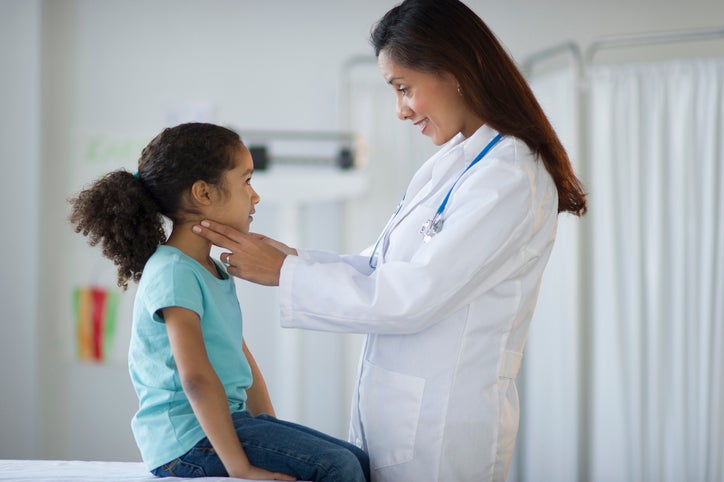
School physicals are recommended for all children from kindergarten through high school, especially students entering school for the first time. These visits help ensure they are growing and developing appropriately, staying up to date on vaccines and addressing any health concerns before the school year begins.
Even if your child’s school only requires updated immunization records, a yearly physical is still valuable for monitoring physical, emotional and social health.
Why Vaccinations Matter
Vaccines protect your children from serious illnesses and help reduce the spread of disease in schools and other group settings.
For children entering kindergarten, vaccines are especially important because many are being exposed to large classroom environments for the first time.
These are the common recommended vaccines:
- DTaP (diphtheria, tetanus, and pertussis)
- Polio
- MMR (measles, mumps, and rubella)
- Varicella (chickenpox)
- As your children grow older, additional vaccines are recommended:
- Tetanus booster (Tdap): Typically given between ages 7 and 11
- Meningococcal vaccine: Recommended during the teen years to protect against meningitis strains A, C, Y, and W
- Meningitis B vaccine: Especially important for teens planning to attend college due to increased exposure risks in dorms and communal living spaces
We also discuss the HPV vaccine for your child beginning around age nine.
Why the HPV Vaccine Is Important
The HPV vaccine helps prevent several types of cancers of the genitals later in life. While you may think your children are too young to need it because they not sexually active, we emphasize that it is a cancer-prevention vaccine.
Starting the vaccine series before age 15 is beneficial because children only need two doses. After age 15, the vaccine requires three doses.
What Happens During a School Physical?
A school physical includes much more than height and weight checks. Visits are tailored to your child’s age and development.
During the appointment, children may receive the following:
- Heart rate, blood pressure, temperature, height and weight measurements
- Vision and hearing screenings
- Developmental or behavioral questionnaires
- Mental health screenings
- A full physical exam
- Vaccine updates if needed
For younger children
Pediatricians focus on the following:
- Growth and development: Depending on the age, for children seven and younger, we focus a lot on height, weight, teeth, eyesight and ears. For older kids, who've started puberty, we add checks for breast and genital development to ensure they are on track.
- Nutrition and sleep: We will ask how your child is doing with eating, drinking and sleeping. Some children are picky eaters, and this can lead to nutritional deficits. Some children struggle with sleep, and this may indicate issues with anxiety, screens and more.
- Milestones: Developmental milestones include age-appropriate language, cognitive, sensory and physical advancement through the years.
- Potty training and bowel habits: We check if your child has independent toileting for school readiness.
- Safety: We ask basic questions, such as if your child wears a helmet when using play equipment with wheels.
- School readiness: Based on your child reaching developmental milestones, we determine if your child is socially, emotionally, cognitively and physically ready for mainstream education.
For older children and teens
Visits often include these discussions:
- Anxiety and depression: These issues become a bit more prevalent in the teen years. We ask your adolescents and teens about issues with or thoughts of self-harm as well as mood regulation.
- Sleep habits: Many children don't get enough sleep between 12 and 17. We explore good sleep hygiene.
- School performance and focus: Based on your child's challenges, we may determine that symptoms warrant a referral for attention deficit hyperactivity disorder (ADHD), dyslexia, dyscalculia or evaluation for other learning differences.
- Social relationships and bullying: Social relationships and friendship are important for well-being, so we ask your kids about their friendships in school.
- Substance use and sexual health and safety: During this portion, we ask the caregiver to briefly step out. This is done to give teens agency and privacy to ask questions they may find embarrassing.
What’s the Difference Between a School Physical and a Sports Physical?

If your child is due for an annual physical and also plays sports, both visits can usually be combined.
A sports physical focuses more specifically on whether a child can safely participate in athletics.
Sports physicals often include these topics:
- Previous injuries or concussions
- Chest pain or shortness of breath during exercise: We listen to your child's heart in multiple positions, including sitting, lying down, standing up and squatting. If your child has a certain cardiac defect, these movements will make the murmur louder.
- Seizure history
- Spine: We check for scoliosis by determining if there is an abnormal curvature in the spine.
- Family history of heart disease or sudden cardiac death: We focus a lot on a family history of cardiac issues, especially before age 50. This may uncover the need for a more comprehensive evaluation of your child.
- Asthma symptoms: We also listen to lungs to check breathing as well as abnormal sounds, such as wheezing.
- Movement: We evaluate strain or pain in the knees or lower back to identify how well and how comfortably your child can move his/her body.
To summarize, here's what's included in the physical exam:
- A detailed heart and lung exam
- Blood pressure checks
- Balance and movement testing
- Scoliosis screening
- Flexibility and strength assessments
If our pediatric team identifies concerning symptoms or family history, we may refer your child to a cardiologist before clearing for sports participation.
When Should Sports Physicals Be Scheduled?
Families do not need to wait until the sports season begins to schedule a sports physical. In fact, completing physicals early can help you avoid delays if additional testing or specialist evaluations are needed before participation.
Backpack Safety Tips

Heavy backpacks and even lighter backpacks carried around all day can contribute to neck, shoulder and back pain in children and teens. Our concern is musculoskeletal health and prevention of injury and strain. Prolonged carrying of heavy backpacks can lead to poor posture, back pain, joint stress, skin irritation from straps rubbing the skin, trips and falls from weight imbalance, repetitive strain and even potential scoliosis progression. These injuries are especially pronounced in your children since their joints, muscles and bones are still developing.
Help prevent injuries:
- Keep backpack weight under 10 – 20% of the child’s body weight
- Choose backpacks with wide, padded straps
- Encourage children to wear both shoulder straps
- Avoid overloaded crossbody bags
- Lighten the load whenever possible
How Screen Time Affects Children

Screen time is a growing concern for pediatricians because excessive exposure can affect the following:
- Sleep quality: We get a lot of reports about, trouble falling asleep, staying asleep and waking in the morning, especially in preteen and teenage patients. And one of the things that always comes up is being on a screen right before bed. The light from these screens is too stimulating for the mind for a prolonged period of time. Healthy bedtime routines are paramount to sleep quality.
- Focus and attention: Consuming fast-paced social media videos or fast-moving content, in general, can make it challenging for the brain to focus on slower-paced activities, including reading assignments and homework.
- Mood and mental health: The type of content being consumed greatly impacts mental health. Violent video games, social media influencer content and more, can lead to negative mental health. It is best to spend the bulk of screen time on healthy activities, such as completing homework or reading books.
- Eye strain and vision comfort: Many children use supplied laptops in school, then go home to complete homework on those devices. We urge parents to have children alternate with plain books or other activities, in general, because screens can negatively impact vision. We also recommend yearly checks with an eye doctor.
For infants under one year old, we generally recommend avoiding screen exposure whenever possible.
For older children, we encourage limiting recreational screen time and avoiding screens for at least two hours before bedtime. Blue light from phones, tablets, computers and TVs can overstimulate the brain and interfere with healthy sleep patterns.
While schoolwork may require screen use, families are encouraged to balance it with offline activities, such as puzzles, board games, books, outdoor play, offline hobbies and face-to-face interaction.
Mental Health During the School Year

Middle school and high school can be challenging emotionally and socially. We encourage parents to regularly talk with children about more than just grades.
Here are important topics to address with correlating questions from Neurolaunch:
- Friendships
- “How do you usually spend your time with friends?”
- “Is there someone you feel really close to, and what do you like about this person?”
- “Have you ever felt left out or excluded? How did it make you feel?”
- “What’s one thing you wish people understood about your friendships?”
- Bullying
- “Have you ever felt unsafe or uncomfortable at school or online?”
- “If someone made you feel hurt or upset, what would you do?”
- “Is there someone you feel safe talking to about what’s happening?”
- “What would make you feel more protected from being hurt?”
- Stress and Anxiety
- “What’s been taking up most of your mental energy lately?”
- “When do you feel most stressed or anxious?”
- “What do you do when you’re feeling really overwhelmed?”
- “Is there anything you’ve been worrying about that you haven’t told anyone?”
- Academic Struggles
- “How’s school been going lately? Is there anything you’re struggling with?”
- “What part of school do you find most stressful or hard?”
- “Are there subjects or tasks that you feel you need extra help with?”
- “What would make it easier for you to focus and succeed in school?”
- Sleep Habits
- “How’s your sleep been? Do you feel rested?”
- “Do you have trouble falling asleep or staying asleep?”
- “What’s one thing you could change about your bedtime routine to help you sleep better?”
- Mood Changes
- “How have you been feeling lately, not just about school, but in general?”
- “Are there times when you feel really low or sad?”
- “What helps you feel better when your mood changes?”
- “Have you ever felt so low that you didn’t want to be here anymore?”
Primary care providers can help identify concerns early and connect families with resources:
- Behavioral health counseling
- ADHD evaluations
- School-based educational testing
- Virtual or in-person therapy services
Even subtle changes in mood or behavior can be worth discussing with a pediatrician.
It's important that children have a village of their own of people who care for them and want the best for them. Parents can help children by ensuring children are involved in activities they enjoy and excel in. They can also help children have time for loved ones who are good for mental well-being and speak positivity over the child, such as grandparents, aunts, uncles and cousins. Parents can address concerns of bullying with school officials and may need to consider changing to a new school.
Help for Teens Who Vape or Use Tobacco Products

As pediatricians, we can also support teens struggling with vaping or other tobacco use. We begin by finding out about frequency of usage and how your child is accessing these products. Treatment may include the following:
- Counseling and behavioral support
- Education about nicotine addiction
- Referrals to specialists if needed
- Pulmonary evaluations for heavy users experiencing respiratory symptoms
The Bottom Line

Back-to-school physicals do more than check a box for school requirements. They provide us with an opportunity to monitor your child’s physical health, emotional well-being, development, sleep habits, safety and overall success at school and beyond.
Scheduling yearly visits helps families catch concerns early, stay up to date on vaccinations and support children through every growth stage.
About Aarushi Chopra, MD
Dr. Aarushi Chopra is a board-certified pediatrician with clinical interests in mental health and wellness and weight management. She began her undergraduate education at New York University in New York City, NY. She went on to a post baccalaureate pre-professional program at Thomas Jefferson University in Philadelphia, PA. She attended medical school at Cooper Medical School of Rowan University in Camden, NJ. She then completed her pediatric residency and internship at Nemour’s Children’s Hospital, Wilmington, DE.
Dr. Chopra enjoys all aspects of primary care, but most of all she values the ability to create longitudinal relationships with her patients and families.
Outside of work, Dr. Chopra loves to spend time with her husband and son and travel.
About WakeMed Pediatric Primary Care
WakeMed Children’s offers a wide range of pediatric care for families in Wake and Johnston counties. From annual well visits and sick visits to immunizations and chronic disease management, our pediatric care teams take pride in partnering with families to help every child reach their full potential.