Beat the Heat, Bugs & Boo-Boos with Pediatrician Dr. Warner-Moxley
June 2, 2025
With summer in full swing, it's time to trade in textbooks, uniforms and routines for sunshine, thrills and time to chill. Get ready for water activities, beach days, dazzling fireworks and backyard barbecues — all perfect opportunities to bond with loved ones and create lasting memories.
Yet, let's not forget, summer also presents some unexpected hazards that can quickly put a damper on the fun. That's why we consulted with WakeMed pediatrician Rukiayah Warner-Moxley, MD, for expert advice on injury prevention and safety-first tips to ensure your family will enjoy a summer filled with worry-free adventures!
Water Safety

Anytime children are near a pool, ocean or lake, an adult should be supervising them. An adult should accompany younger children into the water and make sure they also wear a well-fitted life jacket. Older children should have an adult present, and if they cannot swim, they, too, should wear a life jacket.
As to the safety of various bodies of water, pools are optimal because they are sanitized with chlorine, and the clarity of the water can make debris easily visible. Oceans and lakes may contain bacteria, aquatic animals and even litter that may not be visible, potentially leading to injury. It is always important to know the conditions of the water before entering it. For ocean play, verify that a lifeguard is on duty who knows the conditions of the water, such as rip tides.
Beach Safety

Beaches are notorious for being a place where people, including children, can be more prone to sunburns, especially more severe ones. Yet, any body of water reflects the sun onto those frolicking within the vicinity. With this in mind, on beach days, families and children should always use a broad spectrum mineral sunscreen with an SPF of at least 15. The initial application should be 30 minutes prior to getting into water, and sunscreen should be reapplied every two hours.
When setting up umbrellas, beach chairs, blankets and toys for a beach day, families should check the area for sand holes and debris, such as shattered glass bottles, needles and trip hazards, so children do not injure themselves.
When playing in the sand, making sand castles or just digging holes, parents should be mindful that holes don't go above children's knees because if the sand collapses on them that can lead to injury.
Once the beach day ends and families start packing up, they should check that the area is safe for the next family. Refill sad holes. Throw away trash. Be especially mindful to remove glass containers.
Camp Safety
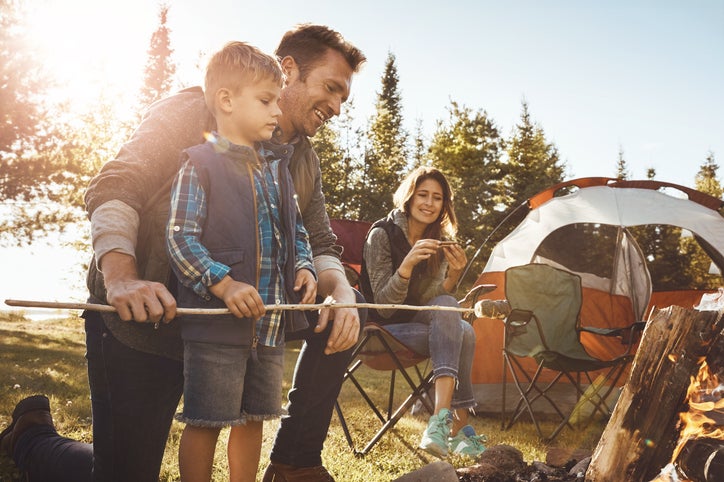
When enjoying campfires and bonfires, families should make sure children are at least three feet away to prevent them touching the fire or falling into it. A fire extinguisher should always be nearby in case a crackle pops off and causes another smaller fire.
Venturing into densely wooded areas may involve wildlife encounters. To minimize the risk of attracting animals to the campsite, the best approach is prevention: properly store all food and promptly put it away. In the event of an encounter, make noise to try and scare the animal off. It's crucial to remain calm, slowly retreat and never approach the animal.
Picnic Safety

There is nothing like a summertime picnic, but it can present unsuspected hazards, such as food poisoning. To avoid food poisoning, it's essential to maintain safe food temperatures. Harmful bacteria thrive in the "danger zone" between 40 degrees Fahrenheit (°F) and 140°F. Never leave perishable picnic foods at these temperatures for more than two hours, or for more than one hour when the outdoor temperature exceeds 90°F, as this allows bacteria to multiply quickly and potentially cause illness.
If you lose track of time while enjoying outdoor activities, it is best to discard all leftover food and not risk refrigerating and saving as leftovers.
Grilling Safety

The aroma of grilled meat is commonplace in the early evenings of summer. To enjoy safely, meats, including fish, red meats and pork should be grilled to an internal temperature of 145°F, as well as fish. Poultry needs to be cooked to an internal temperature of 160 to 165°F.
When lighting a grill and during the entire grilling process, children and pets should be at least three feet away from the grill. An adult should supervise the grill at all times and keep a fire extinguisher nearby.
Grilling should never take place
- Under covered areas
- When it is very windy
- Close to potential fire hazards — such as low hanging branches and pine straw
Bug Safety
The mosquitoes won't quit biting during summer unless you're prepared. Wear bug spray on exposed skin and reapply it every hour.
If going on a hike or just playing outside in brush, long, lightweight and breathable clothes can help keep bugs away. This would include long sleeves, long pants and socks to prevent tick exposure.
Bees and wasps are attracted to brightly colored objects that remind them of flowers, so wearing darker colors can detract them. If a bee or wasp comes nearby, move slowly and refrain from agitating them by running or flailing. Take note of hives or wasp nests near children's play areas. These may need to be relocated by specialty trained pest control professionals.
In the unfortunate event that a child is bitten or stung, first ensure the child is not showing signs of an allergic reaction, such as a red, fast spreading rash or trouble breathing. If a child shows these signs, it is critical to immediately administer an EpiPen and/or antihistamine and take the child to urgent or emergency care.
If the bite is more an itchy nuisance, soothe the bite with cold water or calamine lotion and make sure the child does not scratch the bite since this can lead to skin breaking open, potentially causing an infection.
If a child is bitten by a tick, carefully remove the tick with tweezers, being careful to remove the head and teeth. Immediately take the child to urgent care to ensure all aspects of the tick body have been removed. Tick bites can lead to rocky mountain spotty fever or Lyme disease if left untreated.
Fireworks Safety

Only legal fireworks should be used in the state of North Carolina. Legal at-home fireworks are sparklers, fountains and novelty items that don't explode, spin or become airborne. Since even sparklers can reach a temperature of 200°F, causing severe burns, children should not handle any fireworks ever. Only adults should use them.
Professional-use fireworks can safely be enjoyed at public events.
Know that We are Here to Help
Summer is a time for fun, adventure and memories. Let's all strive to have a safe and enjoyable summer, soaking up the best it has to offer while being mindful of potential hazards. From sun safety to water safety and everything in between, awareness and precaution are key to avoiding unnecessary pain and danger.
Remember, should an emergency arise, WakeMed Pediatric Primary Care, Urgent Care and Emergency Care are here for you. We're committed to providing the care you need, so you can get back to enjoying all the wonderful things summer has to offer. Let us help you make this your best summer yet!
About Rukiayah Warner-Moxley
Dr. Rukiayah Warner-Moxley is a pediatrician with a clinical focus on child abuse and neglect, newborn care as well as general child growth and development. She completed her undergraduate degree at Fisk University, Nashville, TN. She went on to medical school at Meharry Medical College School of Medicine, Nashville, TN. She then relocated to Chapel Hill, NC to complete her residency through University of North Carolina at Chapel Hill.
Dr. Warner-Moxley exemplifies shared decision-making in her patient care approach, recognizing that the best outcomes are achieved when her patients and their families are active participants in the health care process. By fostering an environment of open communication and collaboration, Dr. Warner-Moxley ensures that families are not only informed but also empowered to voice their concerns, preferences and values. This collaborative relationship is instrumental in crafting personalized care plans that reflect the unique needs and aspirations of her patients. She emphasizes the significance of creating a supportive atmosphere where families feel listened to and respected, allowing them to actively engage in discussions about treatment options, potential risks and benefits. Dr. Warner-Moxley’s commitment to shared decision-making champions the emotional well-being of families, ensuring they feel valued and understood throughout their health care journey.
Outside of work, Dr. Warner-Moxley enjoys spending time with family, running, watching college football and gardening.