Avoid the Naughty List and Go for the "Nice" Toys This Holiday Season
December 1, 2025
By: WakeMed Children's Hospital
Categories: Children's
Gift and toy shopping has officially arrived, and while the goal is to spread joy and cheer among your loved ones, it’s crucial to remember that not all toys are crafted equally. The sweet thrill of finding the perfect gift can quickly turn sour if it leads to an unexpected trip to the emergency room. To help you navigate this bustling shopping period safely, we have compiled essential tips to keep in mind before you hit the stores or browse online.
Just because a toy is available for purchase doesn’t guarantee its safety. Unfortunately, hazardous toys still make their way onto the market every day. We sat down with Damilola Joseph, MD, the new medical director for the WakeMed Children’s – Emergency Department, to learn more about safety.
Dr. Joseph observes, "We see an increase in toy-related injuries during the holiday season. With the excitement of new gifts and more indoor playtime as the weather cools, injuries can become more common, especially when toys are not age-appropriate or are used without supervision. Some of the most frequent injuries we see include falls from riding toys, including scooters and bikes, accidental ingestions of small parts or button batteries, and cuts or bruises from sharp or broken pieces."
Toys to Reconsider
Here are highlights of some emerging risks that parents should be aware of:
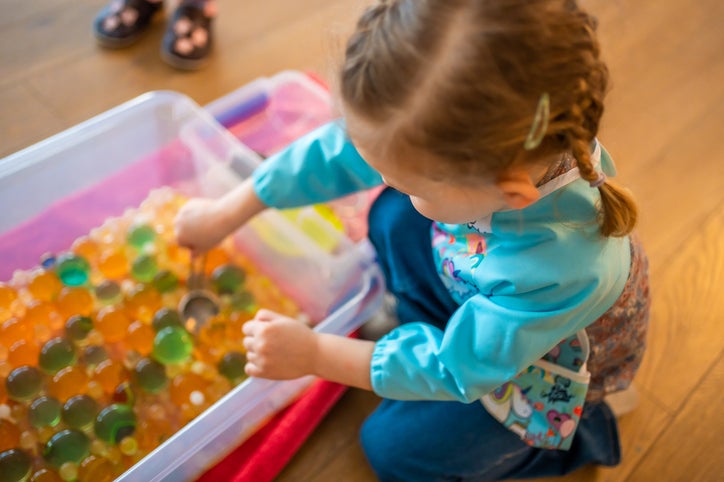
- Water beads, which are often marketed as sensory toys, can pose serious health risks. These small, colorful gel balls can expand when wet, leading to potential ear or intestinal blockages that may not be easily detected through X-rays.
- Similarly, button batteries, commonly found in various electronic devices and even greeting cards, can cause severe burns if swallowed.
- High-powered magnets, popular as desk toys, can be extremely dangerous if ingested, as they can attract each other through intestinal walls, resulting in significant tissue damage and internal bleeding.
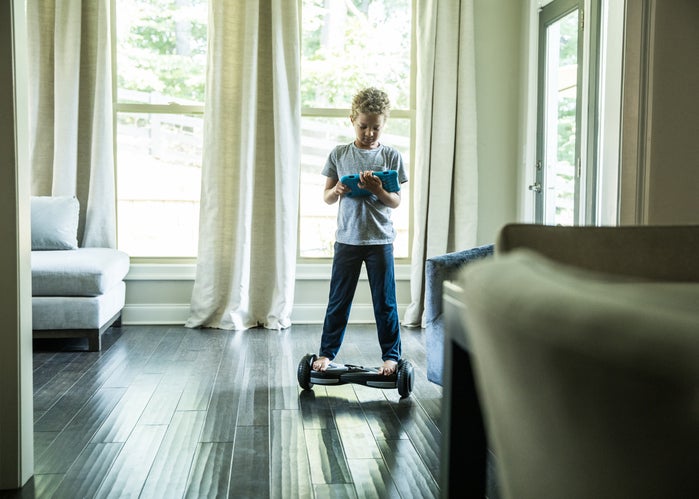
- Hoverboards can be a fire hazard for a few key reasons. One of the biggest issues is the risk posed by faulty or damaged lithium-ion batteries, which can become dangerous if they malfunction. Overcharging is another frequent cause of fires, as it can lead to overheating. Additionally, short-circuiting due to internal wiring issues can create serious risks. Improper use of hoverboards can further heighten the chances of a fire. The Consumer Product Safety Commission (CPSC) has even issued warnings about certain models. To stay safe, it's crucial to select hoverboards from trusted brands and follow proper charging guidelines.
- Electric scooters, which are not recommended for children under 16, can be difficult to control and often lack proper helmet use, increasing the risk of accidents.
- Backyard water slides can be a safety concern for larger kids and teenagers. The CPSC advises that older children and adults should avoid using these slides, as their added weight and height can lead to sudden stops that may result in serious spinal cord injuries. It's important to prioritize safety when it comes to water fun.

- Thinking of installing a trampoline in your backyard or giving a gift card to a trampoline park? Think again. There's a reason why your homeowners' insurance may prevent you from buying a backyard trampoline. They send more than 100,000 people to the hospital per year. Collisions, falls and improper landings can cause broken bones, concussions, lacerations and more.
When shopping for toys, it’s essential to pay close attention to the age guidelines provided on product packaging, as these are typically more reliable than online descriptions. These guidelines help ensure that the toys are appropriate for the child’s age and developmental stage, as well as safe for play.
Dr. Joseph adds, "It’s also important to set up a safe play environment. Supervise young children while they’re playing; regularly check toys for wear and tear or broken parts. When buying gifts for other families, consider checking with parents first to make sure the toy is suitable for the child’s age and developmental level."
Toys to Monitor Carefully
- For example, a label indicating “not for children under 3” signifies potential choking hazards.
- “Not for children under 8” may indicate sharp edges or heating elements, such as those found in electric trains.
Dr. Joseph notes, "To help prevent these types of injuries, my biggest advice to parents and caregivers is to pay close attention to the recommended age labels on toys. These guidelines aren’t suggestions — they’re based on safety testing and can help prevent serious accidents. Avoid toys with small or detachable parts for children under three, and keep button batteries, magnets and other choking hazards well out of reach. If a toy requires safety gear — such as bikes, scooters, skateboards, or hoverboards — make sure children are always wearing properly fitted helmets and other protective equipment, even when riding in the driveway or yard."

- Additionally, hobby kits and chemistry sets should be avoided for children younger than 12 due to safety concerns.
- As you shop, be cautious of foreign-made products sold online, especially through online platforms, where third-party sellers may not adhere to U.S. safety standards. Even the most experienced online shoppers should remain vigilant to ensure a safe and joyful holiday season.
- Watch out for handmade gifts too. Crafty family members could unknowingly give a gift that could pose a potential health and safety risk to a child.
Know What's a No-Go Recall Toy
- See the latest toy recall list from CPSC.
The Verdict
Choosing toys with care is crucial for ensuring the safety and well-being of children, as the wrong selection can lead to serious injuries, accidents, or even fatalities. Many toys on the market may seem harmless at first glance, but they can pose hidden dangers such as small parts that are choking hazards, sharp edges that can cause cuts, or materials that may be toxic if ingested. Additionally, toys that are not age-appropriate can lead to misuse, increasing the risk of accidents. Parents and caregivers should always consider factors like the toy's design, the materials used, and the manufacturer's safety standards. By taking the time to research and select toys thoughtfully, adults can create a safer play environment that not only fosters creativity and learning but also minimizes the risk of harm, allowing children to explore and enjoy their playtime with peace of mind.
Dr. Joseph concludes, "Above all, remember that safe play is not about limiting fun — it’s about making sure that the holidays are filled with joy and free from preventable injuries. A few extra precautions can go a long way in keeping kids safe and healthy during the holiday season!'
Where to Go for Care
Occasionally, despite your best efforts, your child may be injured while playing with a toy. At WakeMed, we are always here to help you, so it’s important to know where to get care.
If it is day-time hours, and your child has suffered a laceration requiring a couple of stitches, consider calling your primary care provider or pediatrician to see if you can come in.
Locate a primary care provider near you.
In the event that you need to visit a health care facility after hours, urgent care is a great choice for mild to moderate injuries.
Find the urgent care location nearest to you.
Rarely, a toy may lead to a severe accident. In the case of life-threatening injuries, emergency care is the best choice.