Dealing with Game Day Stress
February 11, 2022
By: WakeMed Health & Hospitals
Categories: Heart & Vascular
Tags: stress, game day, super bowl, march madness
Tonight’s the big game! And since American Heart Month is nearly at halftime, let’s look at how stress affects the body and how it should be managed. We want your heart to be the real winner this year!
Good Stress vs. Bad Stress
We all experience stressful moments; however, leaving that stress unchecked can create health issues or cause existing medical problems to worsen and be more difficult to treat. Dr. Douglas Friedman, cardiologist with WakeMed Heart & Vascular, says that it’s important to know the difference between emotional and physical stress — and how they affect the body. Some stress is good, but keep the bad in check.
“Physical stress, like routine exercise, is good for the body and overall recommended with your doctor’s guidance. However, short bursts of intense exercise or strenuous activity can increase the risk of an in-the-moment cardiac event, particularly for those who don’t exercise regularly. A classic example is shoveling snow.
“Emotional stress is something we experience on a psychological level, but it can also cause physical changes in our body,” explains Dr. Friedman. “Stressors will lead to an increase in “stress hormones” and result in biochemical changes that can impact our long-term heart health.”
In extreme cases, an emotional stressor can lead to a life-threatening heart condition known as Takotsubo cardiomyopathy, or broken heart syndrome.
“Clinically, it’s identical to a massive heart attack.” says Dr. Friedman. “Most commonly it occurs after a tragedy, although there are cases of broken heart syndrome after more ‘ordinary’ occurences — for example, when one’s beloved sports team loses.”
Level the Playing Field When It Comes to Stress
Stress becomes a problem when it interferes with your life, causing disturbances in sleep, attention span, and behavior. Physically, stress can trigger muscle tension, headache, respiratory symptoms and illnesses.
“I see the effects of stress all the time in our cardiology practice,” said Dr. Friedman. “Many experience palpitations or the sensation that your heart is beating hard or irregularly, and some people even develop chest pains.”
Make Heart Healthy Game Day Snacks
Unhealthy food can put stress on the heart and other organs. Healthful eating, on the other hand, can reduce the risk of heart disease, stroke, obesity and type 2 diabetes. It can also boost a person’s mood and provide more energy. As you’re prepping your game day treats, swap out greasy, fried, salty, and sugary snacks for healthier choices.
Easy Swap: Change Out the Dressing!
Swap ranch dip for a hummus dip to go with your veggies.
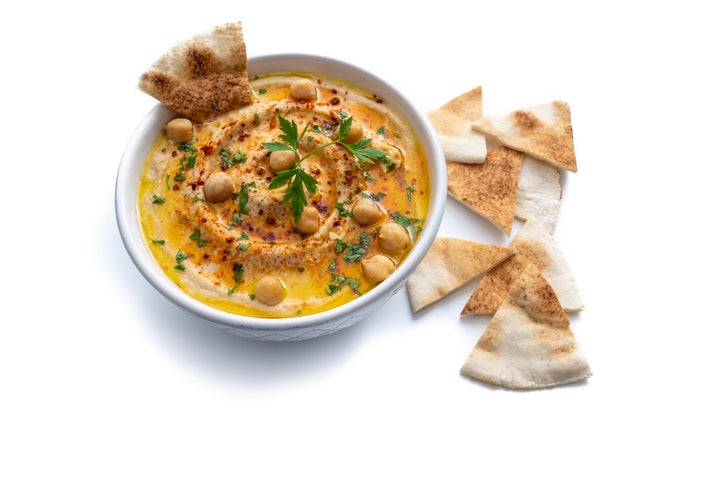
Hummus is packed with fiber to keep you full and contains heart- healthy ingredients, such as chickpeas, to help reduce “bad” cholesterol (LDL).
Super Sweet Snacks
Cookies, brownies, and other treats are bound to make their way into the typical snack line up for game day, but let’s think healthier!
Heart Healthy Super Bowl Swap:
Grapes, berries, and cubed watermelon are sweet and nutritious snacks to nibble on.
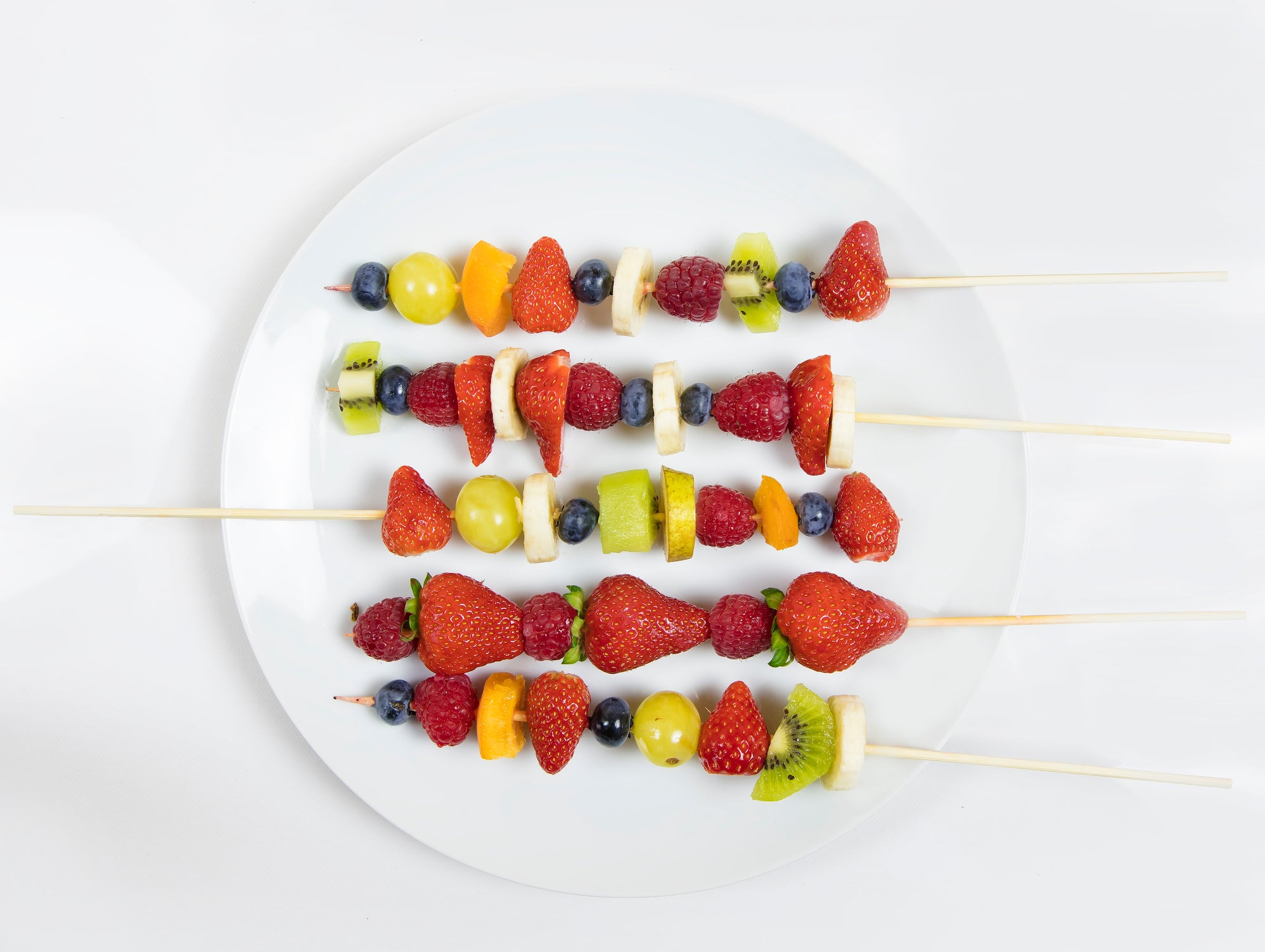
Fruit will satisfy your sweet tooth while providing vitamins and fiber to keep you feeling satisfied and hydrated.
If you don’t have time to cube and prepare fruit, buy containers of pre-cut fruits at the market. Put them on skewers, drizzle with dark chocolate, or make fruit salad cups.
BBQ Wings Done Right
We all love the fried barbecue wings that are served on game day! But let’s try something different this year.
Heart Healthy Super Bowl Swap:
Opt for chicken, pork, or lean beef skewers.

Make your own and skip the sauce. Try some broiled chicken skewers or sweet spiced pork kebabs. Enjoy your skewers with crunchy, fiber-rich celery or your favorite vegetable to help keep you feeling full and satisfied through half-time.
Take a Time-Out on High Calorie, Sugary Drinks
Sodas, beer, wine and other high calorie sugary drinks are the go-to during the big game.
Heart Healthy Super Bowl Swap:
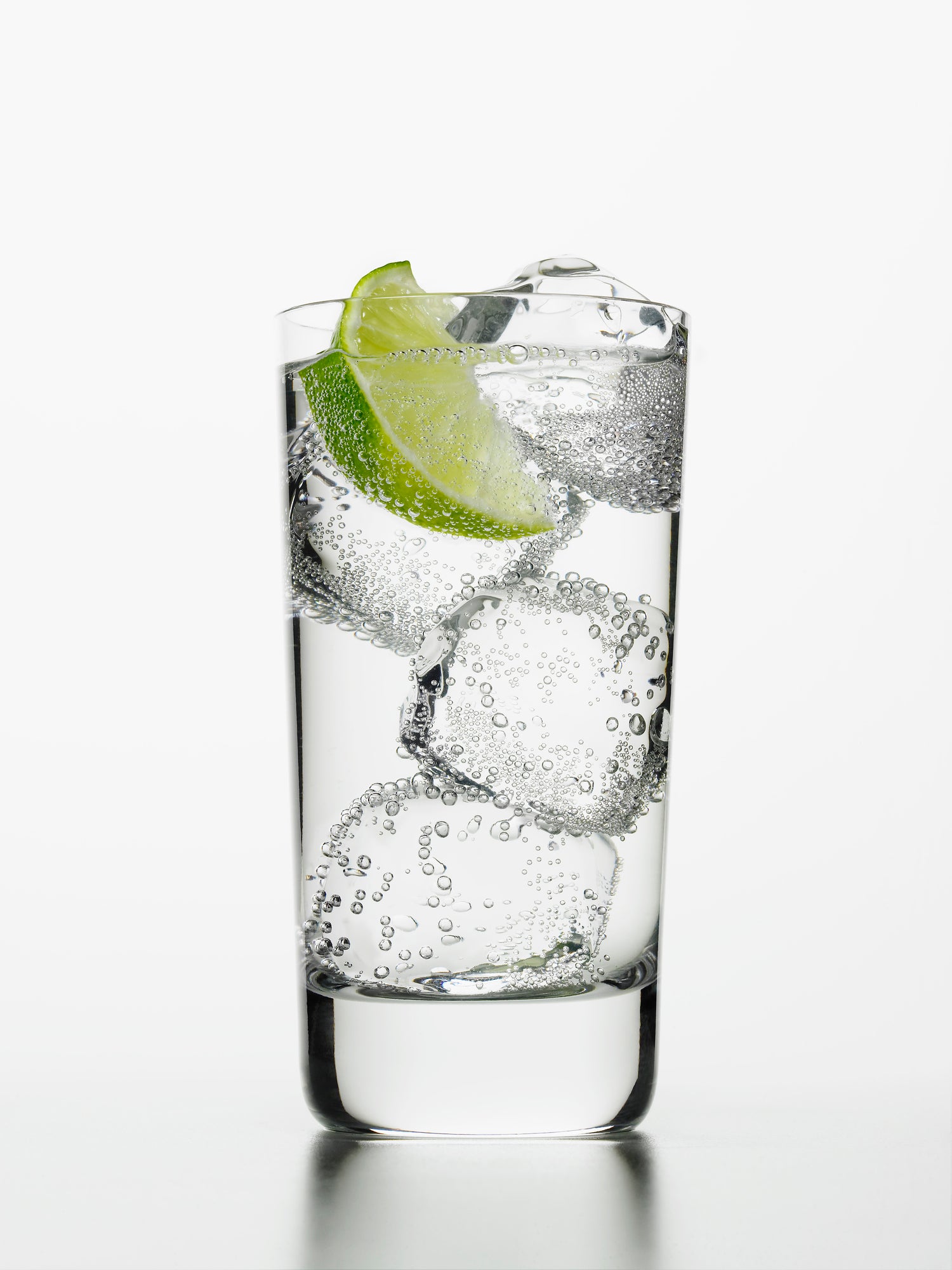
Instead, keep your alcohol intake moderate and try to choose drinks with fewer calories, like flavored bubbly water. Make homemade flavored waters using fresh fruit to limit your caloric intake through beverages and curb your sweet cravings.
Be Your Best Coach
Feeling more stressed besides the big game? To help you manage, here are a few tips:
- Identify the stressor and try to minimize its impact.
- Get regular exercise — even short walks can reduce stress.
- Take a personal time out. Relax, meditate, pursue a hobby and get enough sleep.
- Stay in touch with family and friends. They can support you and help distract you from stressors.
- Feeling anxious or stressed? Talk about it with a healthcare professional.