Medication Safety: Playing It Safe for You and Your Loved Ones
March 30, 2026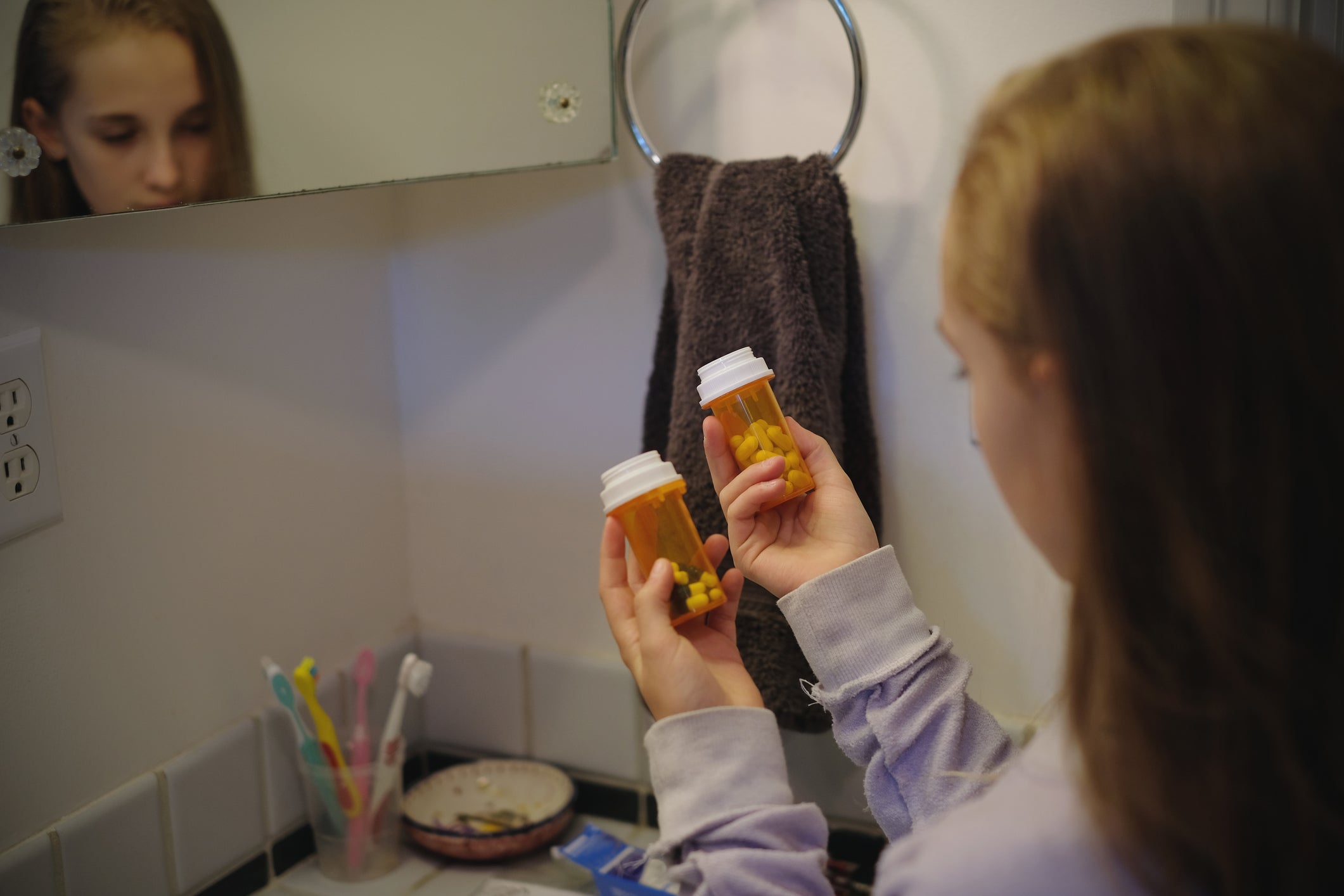
By: WakeMed Health & Hospitals
Categories: Primary Care, Urgent Care, Children's
It’s that time of day again, when you ask yourself: “Did I take my pills?”
Even if you’re only taking one or two medications, keeping track of how and when to take them can be a challenge. Many of us use pill organizers to help manage them — or to avoid the daily grind of sometimes-pesky childproof caps. But there’s another thing to track when it comes to medication: Is it safely stored?
Two main aspects of medication safety are keeping medications out of the wrong hands and preventing damage and degradation of the drugs themselves. These issues are not complicated, but they can be easy to overlook in the hustle of the day-to-day or the excitement of spending time with loved ones. Planning now can prevent problems later.
Veronica Smith, PharmD, CSP, the WakeMed Raleigh Campus supervisor for the Ambulatory Pharmacy, echoes this sentiment. "Medication safety is critical. According to Safe Kids Worldwide, approximately 60,000 children per year (that’s four busloads of kids per day) end up in an emergency department because of accidental ingestion of or exposure to medications. Poison Control Centers get a call nearly every minute pertaining to a child that has inappropriately accessed medication."
Out of Sight, Out of Mouth
Consumer Med Safety reports that some 40 percent of teens and children who end up in an emergency department for medication-related poisoning get there by taking a grandparent’s medicine.
A poll by researchers at AARP and University of Michigan showed that 84 percent of older adults don’t change their routine regarding where they store their medicines. Those usual places include cupboards or cabinets (61 percent), countertops and tables (18 percent), purses or bags (7 percent) or other locations (15 percent). Only 5 percent said they routinely keep their medications in a locked cupboard or cabinet.
Whether you spend time with a young child who puts anything and everything into her mouth or a teen who might think that your medication could be repurposed as a recreational drug, there are some easy ways to keep your medication out of young, curious hands and mouths.
Perhaps the number-one way for grandparents — as well as parents, aunts, uncles and anybody else — to keep medicines away from children and teens is to store them in a place where the young people who visit or live with you simply will not find them.
Once you pick a storage place in your home that children cannot reach or see, make a habit of putting medicines away after you take them. Every time. That way you don’t forget to do so when the kids are around.
Keep Medication Secure
- If your medication has a safety cap, make sure the safety cap is locked. Also, remember that some children may be able to open a safety cap — it’s not a guarantee.
- While traveling, find a safe storage place. If you’re in a hotel room, use the passcode-protected room safe for safe storage. Many people keep their medications in their bag or purse when they visit their grandchildren — think carefully about whether that bag is too easy for kids to access.
- When others are visiting you, keep their purses, bags or coats — any place your guest is storing medication — tucked away and out of sight when they are in your home.
If a young person is with you when you’re taking your medication, that’s a great time to talk to him or her about medicine safety. Kids will copy what they see adults do, so don’t treat your medication as trivial, and definitely don’t call your medicine — or a child’s medicine — candy.
And what if it is the child who needs the medication? Make sure that you always triple check the dosing instructions and the dispenser, especially with liquid medicine, so that you don’t accidentally overdose your little one. And don’t leave medicine within a child’s reach, even if you’ll have to give another dose in a few hours.
Protect Your Meds, Protect Yourself
The medications that you take are meant to keep you as healthy as possible, and there are things to remember to make sure that your medication stays “healthy,” too.
Some of the most convenient places to store medication are the most likely to degrade a drug’s quality — too much moisture, light or heat can potentially damage your medications, reducing their efficacy or causing unexpected side effects.
So the bathroom cabinet and the cabinets by the stove and sink are out. Instead, look for a cool, dry place, such as a closet shelf or a kitchen cabinet that is far from the appliances.
This rule applies when you travel, too — don’t store medication in your car, where temperature can increase rapidly and dramatically.
Pill organizers can be a lifesaver for some of us, especially when we need to take multiple medications or have a complex dosing regimen. But when it’s possible, keep your drugs and supplements in their original containers (remove any cotton in the bottle, which attracts moisture). And, if you notice that your medication has changed color, texture or smell, or if the pills stick together, are harder or softer than normal or are cracked or chipped, don’t take the medication, even if it has not expired.
Out with the Old
Expired medication may not work as well as it should, and some medications may be dangerous to take after they expire. However, many or few medicines and supplements you take, it’s a good idea to go through your meds every few months and make sure everything you have is in tip-top shape.
Dr. Smith adds, "It is important to check the expiration date on all your prescription and over-the-counter medications. Medications may no longer be effective after the expiration date. Expired medications should be disposed of, so they are not accidentally used during an emergency."
If you find expired medications, or if you have extra medication that you aren’t going to use anymore, be thoughtful about how you dispose of it. Flushing your medicine is essentially putting it into the water supply — don’t do that. Instead, try one of the following:
- Ask your pharmacist about returning any unused medications, or about the best way to toss them
- Mix the medicine with coffee grounds or kitty litter, then put the entire mixture in a sealed plastic bag and throw it away
- Check to see if your community has a drug give back programs. Visit the U.S. Food and Drug Administration website for recommendations on how to dispose of unused medicines.
WakeMed has a way for you to safely discard of your medication.
Dr. Smith explains, "Drug take-back bins are the ideal way to discard medications that are expired or no longer needed. While some medications can be flushed, others have very specific disposal requirements. If you are unable to take medications to a take-back bin, check fda.gov for a safe way to dispose of your medication. WakeMed has drug take-back bins available in the Outpatient Pharmacy at the Medical Park of Cary and in the visitor’s lobby at all three hospitals, Raleigh, North and Cary."
When in Doubt
We are human, and medication errors do happen. If you think you or a child has taken an inappropriate medicine or supplement, call your poison control center (800-222-1222) or 911 right away.
Remember that your pharmacist is your friend; don’t be shy about asking questions if you are unsure or concerned about how you are taking or storing your medications, or if you are juggling a lot of pills and want to make sure you aren’t setting yourself up for unhelpful side effects.
Treating medications with respect can help you make sure that they treat you as they are intended to.
Sources:
https://www.cdc.gov/patientsafety/features/medication-storage.html
https://www.cdc.gov/patientsafety/features/safe-medicine-children.html
https://medlineplus.gov/ency/patientinstructions/000534.htm
https://www.sciencedaily.com/releases/2019/07/190701144302.htm