12 Must-Know Tips for a Safer, Healthier Holiday
December 16, 2025
By: WakeMed Health & Hospitals
Categories: diet & nutrition, Bariatric Surgery/Weight Loss, Children's, Primary Care, Urgent Care
Tags: holidays
The holiday season can be a wonderful time filled with joy and celebration, but it can also bring its fair share of challenges. From ensuring that your stomach stays happy during all those festive feasts to juggling the responsibilities that come with new pets, and even taking precautions to prevent potential fire hazards, there’s a lot to keep in mind as the festivities approach. By staying proactive, you can maintain your family's health and well-being, reducing the chances of needing urgent or emergency care. Embrace the spirit of the season while keeping safety at the forefront of your plans.
We sat down with WakeMed dietitian, Tahira Hyman and Safe Kids Wake County to discuss easy ways to enjoy a healthy and safe holiday season. To help you navigate this busy time and protect your loved ones from unexpected mishaps, consider these 12 practical tips below.
#1 – Take extra care if you are managing a chronic condition during the holidays.
 Be cautious of foods high in salt and saturated fats if you have heart disease or high blood pressure. Individuals with diabetes should avoid sugary foods – they can lead to dangerous spikes in blood sugar. Those with chronic kidney disease should avoid foods rich in sodium, phosphorus and potassium, because they can strain kidney function and cause the kidneys to work overtime.
#2 – Prepare for hurdles to healthy eating.
The holidays often bring an abundance of comfort food. Emotional eating and cravings are more common, especially for individuals who may feel stressed or alone during this time of year. Overloading on comfort food can wreak havoc for most people, but it can be especially impactful for people with chronic health conditions.
Here are some quick tips:
- Review restaurant menus before dining out.
- Pack a healthy and safe snack suitable for helping to control chronic conditions to serve as a backup side dish.
- Build your plate with mostly vegetables, a bit of protein and some carbs.
- Be mindful of sugary beverages – they can be high in calories.
- Practice eating techniques, such as putting your fork down between bites or using your non-dominant hand for eating to help you slow down.
#3 – Steer clear of holiday-related health issues, including acid reflux, gallstones and constipation.
Acid reflux can be brought on by a number of seemingly benign choices. To avoid this incredibly uncomfortable issue, avoid the following:
- Excessive amounts of food high in fat
- Heavy desserts
- Carbonated beverages
- Lying down right after eating
- Too little time between meals and snacks; the body needs a chance to digest the food eaten
Gallstones can be incredibly painful and even scary, leading to an emergency hospital visit and sometimes even surgery. You can help care for your gallbladder by avoiding the following:
- Excessively high fat consumption
- Consumption of too much food to the point of overeating
Constipation is another common holiday, health woe. Many people know to avoid eating too much cheese, but there are other constipation culprits to avoid. Here are a few:
- Low and no fiber foods
- Minimal water intake
- Sugary beverages
- Reduced physical activity
# 4 – Maintain your regular eating schedule.
Eat throughout the day to helps regulate hunger and energy levels. Incorporate hearty, healthy snacks between meals to support metabolism and prevent excess hunger. Avoid skipping meals – it can lead to imbalanced blood sugar and overeating. If your body is deprived of food, it will hold onto calories instead of using them efficiently.
#5 – Consider healthier alternatives for overly salty and sweet holiday treats.
From appetizers and entrees to desserts, recipes run the gamut from incredibly decadent to mild and palatable. While you want your dishes to be showstoppers at your festive gatherings, you don't want to load those you care about most with too much sugar and salt, so consider these ingredient swaps to make your dish both delicious and nutritious.
Appetizers
- Swap cream bases with Greek yogurt.
- Roast snacks instead of frying.
- Make mini skewers:
- Mozzarella, meat and herbs
- Fruit skewers
- All-protein skewers
- Choose protein-rich appetizers such as low-sodium meats, dairy products or nuts.
- Opt for whole grain carbs if you are planning to include a carbohydrate.
Entrees
- Prefer grilling, roasting or baking over frying.
- Choose whole grain bread or try making homemade sourdough; avoid white breads when possible.
- Create a “rainbow plate” by including a variety of colorful vegetables.
- Incorporate more fruit into meals for added fiber – they help slow digestion and support a better metabolism.
Desserts
Make desserts at home or work with a homemade baker to control ingredients
- Swap regular flour with whole grain flour.
- Reduce sugar in recipes or use alternative sweeteners like maple syrup or honey.
- Try almond milk or low-dairy alternatives in place of regular milk.
- Try this dark chocolate bark recipe:
- Mix dark chocolate with nuts and dried fruit.
- Add minimal sugar.
- Chill and serve as a festive, healthier treat.
# 6 – Stay active the whole season long.

The holidays are about spending time with friends and family. Eating is one obvious way to get together. With the cold and dark weather setting in, this is often the preferred way to gather, but there are numerous activities worth considering to build holiday memories, fitness and fun.
- Sign up for holiday races or go on hikes. Yet, be sure to eat well before strenuous physical activity.
- Eat large holiday meals early in the day to make sure there is enough daylight left for a leisurely walk afterward.
- Volunteer to support various organizations. In this way, you can make a difference in your community, while building memories that go beyond self-indulgence and help family and friends consider what it truly means to give during the season.
- Play movement-based games along with board games to get hearts pumping and blood flowing.
#7 – Decorate your tree with your children in mind.

Children are curious and will want to play with the ornaments on the tree, so you might as well be prepared. Move the ornaments that are breakable or have metal hooks towards the top of the tree. This makes room at the bottom for ornaments that are safer for young children.
#8 – Water your Christmas tree regularly.
Planning on getting a real Christmas tree this year? Plan on watering it regularly to prevent the tree from drying out and becoming a potential fire hazard (think Christmas lights + dry tree). Make sure your tree has plenty of water by checking it regularly.
#9 – Check the lights.
Lights are one of the best parts of holiday decorating. Take a look at the lights on your tree as well as any lights that may be in and around your home. Specifically, you want to be on the lookout for exposed or frayed wires, loose connections, or broken sockets.
#10 – Blow out candles; store matches out of reach.
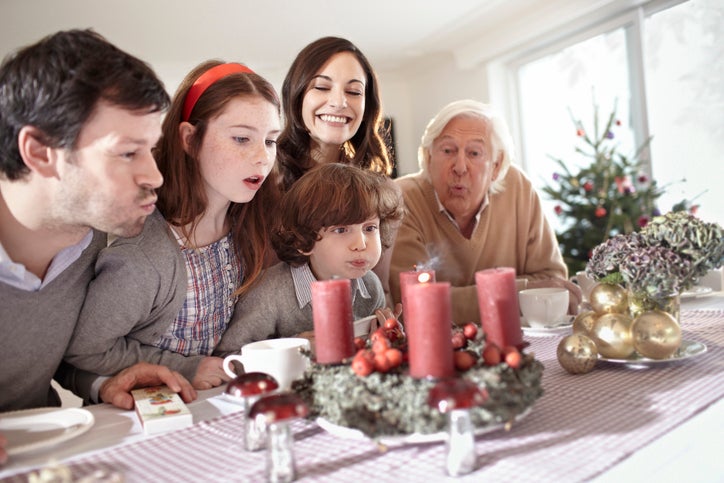
If you have small children or grandchildren, it’s best to avoid lighting candles if possible. However, if you do plan to have lighted candles, keep them at least 12 inches away from anything that can burn.
Don’t forget to blow out candles when you leave a room, or before you go to sleep.
#11 – Display harmful plants in hard-to-reach areas.
Plants can spruce up your holiday decorating, but beware of plants that look pretty but are poisonous to children and pets. Here are a few:
-
Mistletoe (berries)
-
Holly berries
-
Jerusalem cherry
If you wind up having an unplanned emergency, it is always helpful to know where the nearest Emergency Department is. For other non-threatening health issues, it’s best to contact your primary care physician for further advice.

#12 – Nurture happy interactions with new pets.
Does your holiday gift giving include a new dog or cat? Help your children acclimate safely to the new family member.
Do not interrupt pets while they are eating or playing with toys.
-
Pets may guard their resources (food or toys), so kids should not interfere with the pet’s food, treats or toys. Additionally, bones and rawhides are “high value” possessions for dogs, so they should be alone and away from children when they have those items.

Pay attention to your pet’s reaction and body language and teach kids to be kind and gentle.
-
Observing your pet is important. Some animals are tolerant and others are not, so you should never make assumptions about how they will behave. Since a child’s sense of empathy is still developing, young children may not understand that pulling or poking can be painful, so the proper way to treat animals needs to be explained and reiterated in a kind and gentle way.
Avoid extremely close contact or smothering animals.
-
Children often want to come close and hug dogs or cats, which is not normal canine or feline behavior. It can be strange and startling to an animal, so children should be discouraged from abruptly hugging or otherwise startling pets.
Even if you embrace these guidelines, introducing a new pet is bound to present some unexpected, funny and challenging moments. Just remember that time spent with an animal can be very rewarding and healing for children. Plus, an active animal can motivate a child and a family to get outside – yes, even in the winter!
About WakeMed Children’s Hospital
Featuring a Children’s Hospital, dedicated Children’s Emergency Department and many pediatric specialists, including endocrinology, gastroenterology, surgery and more, WakeMed Children’s is the leading provider of pediatric care in Wake County. Subscribe to Families First today!