You Can Enjoy the Holidays While Managing a Chronic Condition — Here's How
November 17, 2026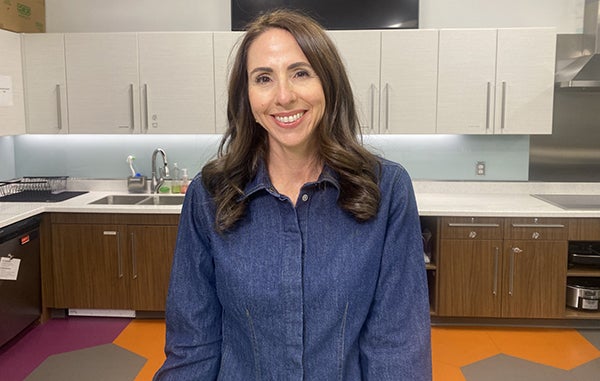
The holidays are a time to make memories with others, while enjoying delicious, sumptuous dishes. Tempting office treats, elaborate meals, busy schedules and changes to daily routines, make it challenging for those of us living with chronic conditions (diabetes, high blood pressure, high cholesterol, liver disease) to navigate health hurdles during the holidays. The good news is we don't have to miss out on our favorite holiday foods to stay on track.
We sat down with WakeMed dietitian Ashlea Waters to glean practical ways to enjoy the season while making choices that support our well-being — so we can enjoy the delicacies we love.
Maintain the Routine, Even with Schedule Changes
Holiday gatherings are often blamed for unhealthy eating, but Waters notes that the bigger challenge is how our habits can change over several weeks.
Between shopping, traveling, entertaining and attending celebrations, we may not sleep as well, eat at our usual times or keep up with our regular exercise routine. We may also forget medications or find ourselves consuming richer foods, larger portions and more alcohol than usual. When we're managing chronic conditions, these changes can make it harder to stay on track.
- To aid in this effort, we should eat regular, balanced meals rather than skipping meals before a big holiday dinner.
When we go too long without eating, we may arrive at a gathering extremely hungry, making it harder to manage portions and recognize when we're comfortably full.
Waters explains, "Eat a balanced breakfast and lunch, and consider having a nutritious snack before heading to a party. This helps manage appetite, so we can enjoy our favorite holiday dishes without feeling the need to eat everything in sight."
Build a Balanced Holiday Plate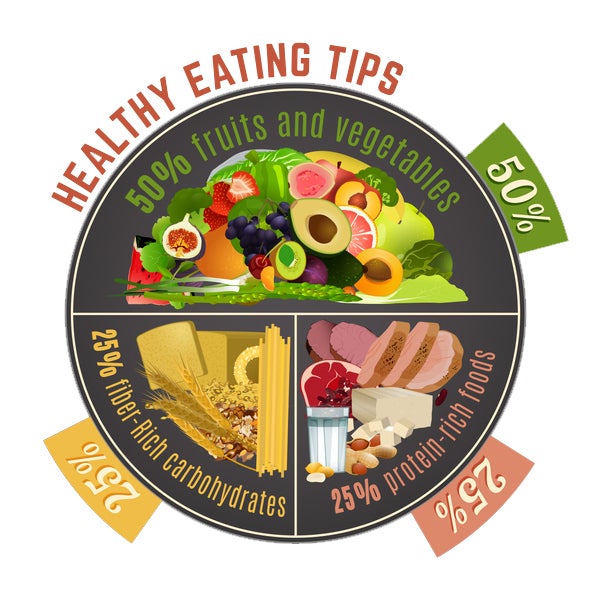
Waters recommends using the plate method as a guide for balanced meals:
- Half the plate: Non-starchy vegetables and fruits.
- One-quarter of the plate: Lean protein.
- One-quarter of the plate: Starchy foods.
This approach can help us include a variety of foods while being mindful of portions. It can also be adapted to accommodate individual dietary needs, such as those with diabetes, high blood pressure or another chronic condition. In this case, we should follow the nutrition recommendations provided by our healthcare team.
Enjoy the Foods That Make the Holidays Special
The holidays smell delightful —Grandma's homemade pie; that legendary family casserole with a delightful cheese pull in every bite; the chocolate, pumpkin cookies a coworker leaves in the breakroom.
Waters says eating well during the holidays doesn't mean we have to eliminate these special treats.
Instead, she encourages us to think about which foods are truly meaningful to the occasion.
“We can get a chocolate chip cookie any day of the week, but a beloved family recipe that appears only once a year may be something we especially look forward to enjoying."
She advises that instead of feeling obligated to sample every treat that comes along, it is best to prioritize special foods, keep portions in mind and then enjoy without guilt.
Healthy eating isn't about perfection. It's about finding a balance that allows us to care for our body while still enjoying the moments that make the holidays meaningful.
Bring a Dish to Enjoy — and Share
For those with dietary restrictions, attending holiday gatherings can feel downright stressful. We may wonder whether there will be anything for our indulgence, especially if we need to limit salt, added sugars, saturated fat or completely avoid gluten.
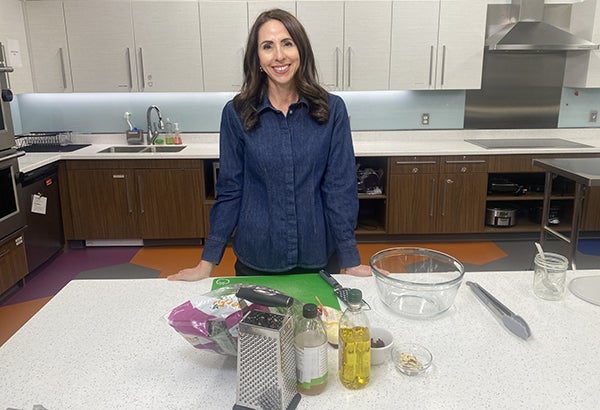
Waters encourages us to consider bringing a dish to share and letting the host know about dietary needs/preferences. That way, we ensure we have at least one option to enjoy with family and friends. It also gives the host an opportunity to consider what dishes may align with dietary needs.
“Generally, I think any host is happy when we bring something to contribute to the meal."
A healthier dish may be helpful to other guests, too. A flavorful, lower-sodium side dish, a fresh vegetable salad or a gluten-free version of a traditional favorite may introduce others to a new food they enjoy.
Make a Plan for Parties and Food-Centered Celebrations
The purpose of the party is to gather and connect, so while food may be overflowing and aromas may fill the air, the goal is to spend time together. At an evening party that occurs past normal eating times and is saturated with alcoholic beverages, consider enjoying a festive alternative, including sparkling water, mocktails and other nonalcoholic beverages. Walking around with a safety beverage keeps hands occupied, while mixing and mingling.
Of course, there may be times when limiting certain activities or even declining an invitation is the right decision. What's important is to make a choice that supports well-being without feeling that we must miss every opportunity to connect with others.
Waters notes, "It's possible to enjoy the celebration without making food and alcohol the focus."
Don't Let Holiday Celebrations Disrupt Medication Schedules
Traveling and attending parties that are outside the normal schedule can wreak havoc on medication regimens. For those of us managing chronic conditions, maintaining a consistent medication schedule is an important part of staying healthy.
Waters offers these recommendations:
- Use phone reminders to help track medication schedules, especially when away from home or the normal schedule has changed
- Bring a weekly pill organizer to keep track of doses.
- When traveling, pack medications in advance and bring enough for the trip, along with any necessary extras recommended by the care team.
She adds, "If you miss a dose, don't guess what to do next. Contact your doctor or pharmacist for guidance on whether to take it or wait until the next scheduled dose. Never double up unless your healthcare professional specifically instructs you to do so."
Remember That Healthy Habits Help Digestion, Too
Holiday indulgences can affect more than blood sugar or blood pressure. Changes in eating patterns can also leave us dealing with constipation, indigestion or heartburn.
Waters comments that eating fewer fiber-rich foods, drinking less water and moving less than usual can contribute to constipation. Richer, higher-fat meals and eating close to bedtime may also trigger indigestion or reflux.
Here is how we keep our digestive system comfortable:
- Drink water regularly. Staying hydrated supports normal digestion.
- Include fiber-rich foods. Fruits, vegetables, whole grains, beans and other fiber-containing foods can help support regularity.
- Pay attention to meal timing. When possible, avoid lying down immediately after eating. Waters suggests allowing about three hours between eating and bedtime to help reduce reflux.
- Stay active. Even short walks can help maintain movement and improve blood sugar control during a busy season.
- Notice hunger and fullness cues. We must slow down, enjoy the food and give ourselves time to recognize when we've had enough.
- Remember, one large meal doesn't define overall health. If experiencing persistent or concerning digestive symptoms, we should check with our healthcare team.
Try Holiday Traditions That Go Beyond Food
Holiday meals are often at the heart of family celebrations, but Waters encourages families to find other ways to make the season special.
“Consider sharing old memories since there are different generations present,” she suggests. "Stories about grandparents, recollections of loved ones and chats about what we're grateful for can help strengthen family connections."
We can also introduce activities that encourage movement and conversation:
- Take a family walk after dinner.
- Play board games or organize a family game night.
- Dance to favorite holiday songs.
- Play outdoor games, such as pickleball, cornhole or flag football.
- Walk through the neighborhood to admire holiday lights.
- Participate in a community service project together.
"Even a short walk after a meal can be a meaningful way to add movement to our day," she shares. "For some people, walking after eating may also help support blood sugar management."
These traditions build opportunities for laughter, connection and shared memories — without making the meal the only event of the day.
Waters adds, "The meal is part of the celebration, but it's not the main thing or the only thing.”
Make Favorite Holiday Recipes a Little Healthier
We don't always have to give up traditional holiday recipes to make more nutritious choices. Sometimes, small adjustments can help add nutritional value while preserving the flavors and memories associated with favorite dishes.
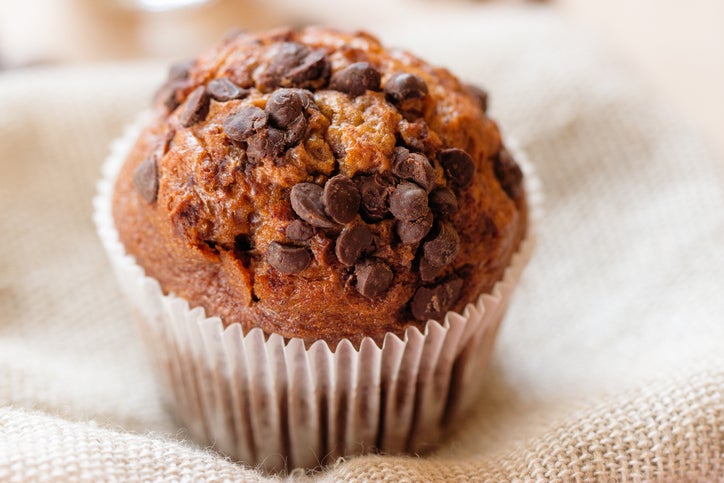
Waters has spent years adapting recipes her family loves. One example is her pumpkin chocolate chip muffins, which she has made for nearly 20 years. Over time, she has adjusted the original recipe by using whole-wheat flour instead of white flour, replacing some of the oil with unsweetened applesauce and reducing the amount of sugar used. Plus, incorporating pumpkin is a great source of fiber and vitamin A.
She laughs, "This doesn't make the muffins a health food, but they are a healthier version of a favorite holiday treat."
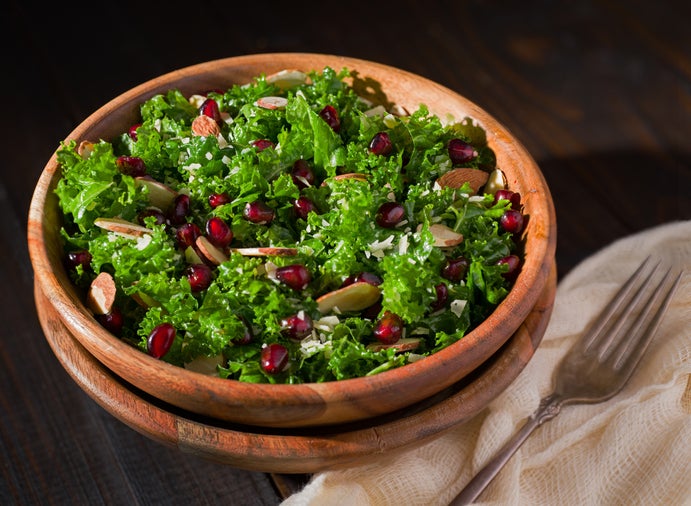
Another favorite is her kale salad, which brings color and freshness to the holiday table. She massages chopped kale with olive oil to soften the leaves, then adds pomegranate seeds, pistachios and Parmesan cheese.
The result is a festive side dish that offers a refreshing contrast to the richer foods often served at holiday meals.
- We can also look for ways to add more vegetables, choose leaner proteins or adjust portions of starchy foods while still enjoying traditional favorites.
- If a particular dish is a once-a-year family tradition, instead of changing the recipe, we can enjoy a moderate portion alongside vegetables, lean protein and other foods that fit our nutrition goals.
The best approach is one that works for our health and helps us feel satisfied — not deprived.
Enjoy the Holidays While Maintaining Healthy Habits
Living with a chronic condition doesn't mean we have to spend the holidays worrying about every bite or declining every celebration. With a little planning, we can make thoughtful choices while enjoying the foods, people and traditions that matter most.
About WakeMed Nutrition Services
The foods you choose play an important role in managing your health. WakeMed Nutrition Services is here to help. Whether you are leaving the hospital or being referred by your primary care physician, you may benefit from working with a registered dietitian (RD). Our goal is to help you focus on behavioral and lifestyle changes designed to prevent and treat disease and achieve optimal long-term health.
About the Poe Center
The Poe Center for Health Education is a nonprofit organization dedicated to educating and empowering North Carolina’s children, families, adults, and communities to improve lifelong health and well-being. Since establishing its Raleigh campus in 1991, the Poe Center has provided health education to over 1.75 million children and adults throughout North Carolina. By engaging in fun, highly interactive lessons, preschoolers through twelfth graders receive information that follows the NC DPI Healthful Living and Science Essential Standards on a wide-range of health-science topics, including nutrition, physical activity, dental health, general health, family life, bullying prevention, substance use prevention, mental wellness, and gardening and cooking education. For additional information about the Poe Center, please visit www.poehealth.org.