The Real Scoop on Ultra-Processed Foods
March 1, 2026
Categories: Heart & Vascular, diet & nutrition
Tags: ultraprocessed food
With a lot of recent news and hype surrounding ultra-processed foods, many of us still don’t know what they are or how they can impact our health. Ultra-processed foods (UPFs) now account for nearly 60 percent of caloric intake in the U.S. diet, but numerous studies have demonstrated the negative health effects of these foods, particularly on the heart.
What is an Ultra-Processed Food?
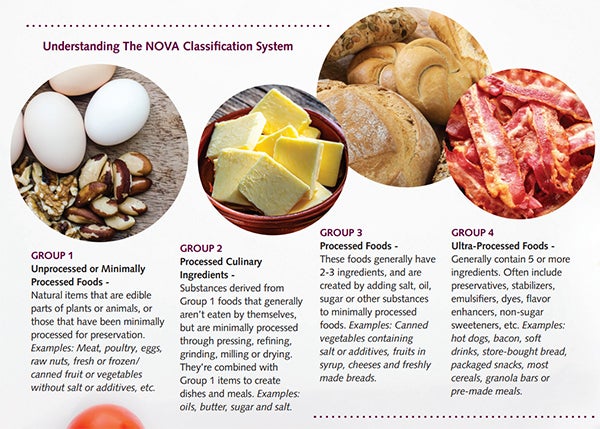
Food items that have been highly modified, prepared or packaged may be considered ultra-processed. They generally contain manufactured ingredients and additives you can’t find in your home. The easiest and most common way to understand these foods is through The NOVA classification system, which is widely used among researchers, policymakers and the food industry.
What the Research Says about Ultra-Processed Foods
The consumption of ultra-processed foods has been linked with being overweight/obese, high blood pressure, metabolic syndrome and type 2 diabetes. In fact, the largest review on ultra-processed foods was published earlier this year in The BMJ (British Medical Journal). The study identified 32 health problems associated with UPFs, including premature death, cardiovascular disease, mental health disorders, diabetes, obesity and sleep problems.
Specifically, the study indicated that eating high levels of ultra-processed foods led to the following:
- About a 50% higher risk of cardiovascular disease-related death
- Up to a 53% higher risk of anxiety and common mental health conditions
- A 12% greater risk of type 2 diabetes
- A 21% greater risk of death from any cause
Additional studies demonstrate the negative effects of UPFs on human health:
- A study published in the Journal of the American College of Cardiology found that higher consumption of ultra-processed foods is associated with an increased risk of cardiovascular disease incidence
and mortality, with each additional daily serving found to further increase risk. - A 2019 study conducted by the National Institutes of Health (NIH) published in Cell Metabolism showed that people eating a diet heavy in UPFs ate more calories and gained more weight than when eating a minimally processed diet.
- A 2025 study published in the British Journal of Nutrition found that a high intake of UPFs was associated with an increased risk for overall colorectal cancer and right-sided colon cancer.
- Researchers analyzed the consumption of UPFs and the development of type 2 diabetes in more than 300,000 people for nearly 11 years. The results were published earlier this year in The Lancet Regional Health - Europe, and indicated that for every 10% increase in UPFs, there is a 17% increased risk for developing type 2 diabetes. It also showed that lowering your intake can lower the risk.
- An observational study published in the June 2024 issue of Neurology demonstrated that increasing the intake of ultra-processed foods by just 10% was associated with a significantly greater risk of cognitive impairment and stroke.
What Makes UPFs Unhealthy?
But why are ultra-processed foods bad for us? The American Heart Association offers the following possible reasons UPFs may contribute to poorer health:
- May displace or replace healthier foods
- Could lead to eating too many calories
- May result in eating too much saturated fat, added sugars or sodium
- May influence how the brain responds to these foods
- Changed food textures may trigger the brain to stay hungry even after eating
- Potentially disrupt blood sugar
- Possibly disrupt your microbiome, or gut health.
A Dietitian’s Tips for Quickly Identifying Ultra-processed Foods
 Identifying processed foods isn’t always easy. In fact, WakeMed Dietitian Parul Kharod, MS, RD, LDN, explains that UPFs often have the most aggressive marketing. Phrases like “Contains Whole Grains!” “No Added Sugar” “All Natural” “Organic” do NOT mean the food item is healthy. To determine if a food may be ultra-processed, ask yourself these questions:
- Does it have more than 5 ingredients?
- Is it made with ingredients you can’t pronounce or don’t have in your pantry?
- Is it shelf-stable (meaning it requires no refrigeration)?
- Is it a convenience food (think cereals, pastries, microwave meals, packaged snacks)?
- Does it include high fructose corn syrup or hydrogenated oils?
If the answer to any of these questions is ‘yes,’ it’s
most likely an ultra-processed food.
When Foods Move from Healthy to Unhealthy
Many UPFs have healthy roots, which can make identifying them even more confusing. This chart shows how a food moves from unprocessed and healthy over to the unhealthy dark side.
Tips for Avoiding UPFs
- Transition your snack stash from the pantry to the refrigerator.
- Try olives, veggies, homemade hummus, cottage cheese, string cheese, fruit, plain yogurt, etc. If you reach for the pantry, aim for foods like nuts, certain nut butters, roasted chickpeas, grass-fed beef jerky, or other items with few ingredients.
- Limit eating out. Even if you make healthy menu choices, it’s hard to know what ingredients the restaurant is using.
- Have a plan. Life is busy, and when left without a meal plan, we’re much more likely to reach for ultra-processed convenience foods.
- Set aside time each week for meal planning, shopping and prep work (marinating, chopping, packing lunches, etc.)