Gallbladder Health: What You Should Know
January 22, 2026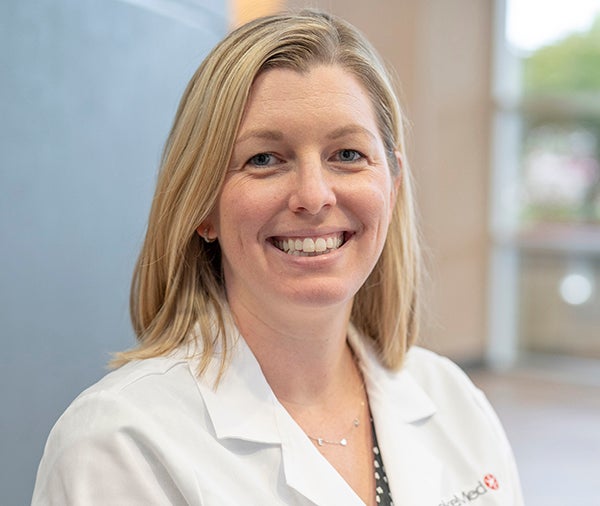
By: WakeMed Health & Hospitals
Categories: Gastroenterology, Advanced Gastrointestinal Center, Surgery
Medically reviewed by Lauren Daugherty, MD
If you're having concerning symptoms, potentially associated with your gallbladder, you're far from alone. Let’s take a closer look at what might be going on.
The gallbladder is a small, pear-shaped organ located just beneath the liver in the upper right part of the abdomen. Its primary job is to store bile — a digestive fluid produced by the liver — and release it into the small intestine to help break down fats.
When things aren't working quite right with your gallbladder, it can lead to a range of uncomfortable symptoms. These issues often stem from problems, such as gallstones. It's important to remember that only a health care professional, such as your primary care physician, can diagnose what's specifically causing your symptoms, so if you're experiencing concerning pain or discomfort, seeking medical advice is always the best first step.
What are the typical signs of a gallbladder problem?
Because the gallbladder sits deep in the abdomen, its symptoms can sometimes be vague or mistaken for other issues. Many people initially think they’re experiencing heartburn or indigestion, sometimes for months, before realizing the problem is with the gallbladder.
Other symptoms include the following:
- Chest pressure and pain
- A squeezing pain the travel from the right abdomen around the side and to the back
- Pain in the abdomen radiating to the right shoulder
- General discomfort or fullness in the abdomen
- Back pain
- Fatty food intolerance that comes on a couple hours after a rich meal
- Nausea and/or vomiting
- Intolerance to fatty or rich foods, often appearing a few hours after eating
- Indigestion
What are gallstones and why do they matter?
A gallstone is a hardened deposit of cholesterol, bile pigments and/or calcium salts that form inside the gallbladder. Gallstones are the most common reason people develop gallbladder problems — but not everyone who has them will experience symptoms. In fact, about 15 percent of people have gallstones, and only about one in four of those will ever develop issues because of them.
When gallstones do cause trouble, it’s often because they block the normal flow of bile. This can lead to cholecystitis, or inflammation of the gallbladder, when bile can’t drain properly.
Sometimes, a gallstone can move out of the gallbladder and get stuck in the main bile duct — a condition called choledocholithiasis. This blockage prevents digestive fluids, including bile, from reaching the intestine and can lead to serious complications such as cholangitis (a severe, potentially life-threatening infection) or pancreatitis (inflammation of the pancreas).
What gallbladder problems occur without gallstones?
Not all gallbladder issues are caused by stones. Acalculous cholecystitis refers to inflammation of the gallbladder without gallstones. It can develop from severe illness, trauma, or prolonged fasting — all of which can reduce blood flow to the gallbladder. This typically occurs in patients that are sick and already in the hospital.
Another condition, called biliary dyskinesia, occurs when the gallbladder doesn’t contract properly — even though there are no stones. This means bile isn’t released efficiently, which can cause symptoms similar to gallstone problems: abdominal pain, nausea, and digestive discomfort, especially after eating fatty foods.
What tests are available to diagnosis gallbladder issues?
The first test that is typically performed to check the gallbladder is an ultrasound. This noninvasive imaging test uses sound waves to create pictures of the organs and blood vessels in your abdomen. Ultrasound is excellent at detecting gallstones and can also reveal signs of inflammation or other abnormalities in the gallbladder.
If the ultrasound doesn’t provide enough information, additional imaging tests may be recommended, such as a computed tomography (CT) scan, magnetic resonance imaging (MRI) or HIDA scan.These tests offer more detailed views and can help identify gallbladder problems that might not be visible on ultrasound.
What treatment is available for gallbladder issues and gallstones?
Unfortunately, gallstones themselves can’t be removed without also removing the gallbladder. For people who experience mild, occasional pain episodes (known as biliary colic), lifestyle changes—such as avoiding high-fat foods—may help reduce symptoms or prevent flare-ups.
However, if the pain becomes persistent or symptoms continue despite these changes, the standard treatment is to remove the entire gallbladder, a procedure called a cholecystectomy.
Most gallbladder removals are performed laparoscopically, using small incisions, a camera, and thin instruments. This minimally invasive approach usually allows patients to go home the same day, and the surgery itself typically takes about an hour.
In some cases, if there’s concern that gallstones have moved into the common bile duct (a condition called choledocholithiasis), your surgeon may perform an intraoperative cholangiogram (IOC) during surgery. This is a real-time X-ray that helps visualize the bile ducts and check for stones that may have traveled outside the gallbladder.
If a stone is found in the bile duct, your surgeon may be able to remove it during the operation. If not, a separate procedure called an endoscopic retrograde cholangiopancreatography (ERCP) may be required. During an ERCP, a specialist (gastroenterologist) uses a flexible scope passed through your mouth to locate and remove the stones while you’re under anesthesia.
What are the risk factors for gallbladder issues and gallstones?
Several factors can increase the chances of developing gallstones or other gallbladder problems. While genetics play a significant role — meaning some people are simply more predisposed to form gallstones — lifestyle and medical factors also contribute.
Here are some of the most common risk factors:
- Sudden or rapid weight loss: When individuals lose weight quickly, their liver releases extra cholesterol into the bile, which can lead to gallstone formation. This is often seen after crash diets, fasting or weight loss surgery/medications.
- Obesity: Carrying excess weight increases the amount of cholesterol in bile, which can make gallstones more likely to form.
- Female: Women are at a higher risk of gallstones, largely due to the effects of estrogen, which can raise cholesterol levels in bile and slow gallbladder emptying.
- Pregnancy and the postpartum period: Hormonal changes during pregnancy — especially increased estrogen and progesterone—can slow down the gallbladder’s ability to contract, leading to bile buildup and gallstone formation.
- Sickle cell disease and other hemolytic blood disorders: These conditions cause the body to break down red blood cells more quickly, leading to higher levels of bilirubin in the bile. Excess bilirubin can contribute to the formation of pigment gallstones.
Understanding these risk factors can help you make proactive choices to support gallbladder health, such as maintaining a balanced diet, managing weight gradually and discussing any family history of gallstones with your healthcare provider.
What can people do to prevent gallbladder issues and gallstones?
Unfortunately, not all gallbladder disease can be prevented. However, certain lifestyle choices can reduce your risk and help support overall gallbladder health.
Research — including studies from the National Institutes of Health (NIH) — suggests that following a plant-based or vegan diet may help preserve gallbladder function. Reducing or eliminating meat and animal fats can lower the cholesterol content in bile, decreasing the likelihood of gallstone formation.
Maintaining a healthy lifestyle through balanced nutrition, regular physical activity, and gradual weight management also plays a key role in prevention.
If you already have gallbladder symptoms or gallstones, it’s best to follow a low-fat diet until the gallbladder is removed. After surgery, you can gradually reintroduce higher-fat foods as your body adjusts.
How do people manage side effects of gallbladder removal?
It’s common to experience temporary diarrhea after gallbladder removal, especially after eating fatty meals. This typically improves within a few weeks as your digestive system adapts. If diarrhea persists or becomes bothersome, talk with your surgeon or primary care provider — there are medications that can help manage this side effect.
About Lauren Daugherty, MD, FACS
Dr. Lauren Daugherty is a board-certified general surgeon with clinical interests in laparoscopic surgery, benign and malignant breast disease, Enhanced Recovery After Surgery (ERAS) regimens and resident and student education. She particularly enjoys performing minimally invasive procedures, such as gallbladder removals and hernia repairs, which often help patients recover faster and with less discomfort.
She earned her bachelor's degree in biochemistry with a minor in nutrition, summa cum laude, from the University of Georgia in Athens, GA, and went on to complete her medical degree at Eastern Virginia Medical School in Norfolk, VA. Dr. Daugherty then completed her general surgery residency at the University of North Carolina at Chapel Hill. Following her training, she served as a general surgeon in the U.S. Navy, completing active-duty assignments in Okinawa, Japan, and Portsmouth, VA.
Dr. Daugherty is passionate about helping patients feel comfortable and confident in their care. She understands that many of the conditions she treats can feel overwhelming or deeply personal, and she strives to ensure every patient leaves her office feeling more at ease than when they arrived. She works closely with each patient to develop a treatment plan tailored to their individual needs and life circumstances.
Outside of work, Dr. Daugherty enjoys spending time with her husband and children exploring local parks, trails and museums. While most of her free time is devoted to family life, she also enjoys exercise — especially Orange Theory group classes — and reading.