Fresh from the Coast: Heart Healthy Shellfish
November 19, 2026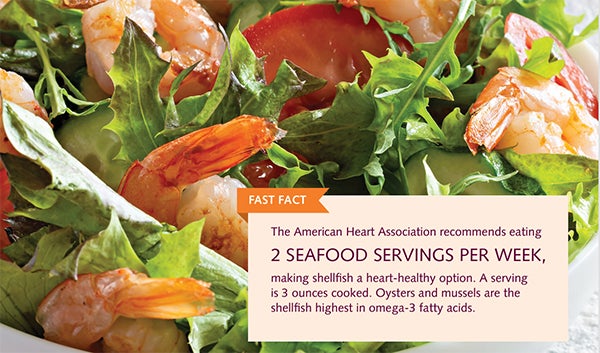
Categories: Heart & Vascular, diet & nutrition
What Exactly Is a Shellfish?
Generally speaking, shellfish are aquatic animals with external shells and no backbone, making them invertebrates. They are divided into two primary categories: mollusks, which include North Carolina favorites such as clams, oysters and scallops and crustaceans, which include shrimp, crabs and crawfish.
Best Practices for Enjoying Local, Fresh Seafood
Even though North Carolina is one of the largest producers of shellfish in the country, many of our restaurants and larger retailers sell frozen varieties shipped from outside the United States. In fact, 90% of the seafood consumed in the US is imported from other countries. If you’re committed to enjoying fresh, local seafood from our state, here are a few best practices.
- Always ask. Whether you’re at the grocery store or a restaurant, you can kindly ask the chef or grocer where their shellfish are coming from, whether they’ve been frozen, etc.
- Shop local. Often, the best way to enjoy fresh North Carolina seafood is to frequent independent, locally owned restaurants and markets. Most coastal towns have one or more local seafood markets, and here in the Triangle, there are quite a few offering local seafood.
What’s in Season?
Ryan Spekman, co-owner and founder of Locals Seafood, tells us that North Carolina shrimp season really ramps up in July, making it a great summer shellfish. Blue crab and clams are also harvested in the summer months in North Carolina. Oysters peak between November and January, whereas scallops are freshest in February and March. While fresh is best, seafood that has been flash frozen will maintain its full flavor and nutrient profile, making it easier to enjoy all year long.
Healthy Heart Benefits
Shellfish are naturally high in protein and low in fat, making them a great staple for a heart-healthy diet. They are nutrient-dense – providing essential vitamins and minerals, while remaining relatively low in calories and saturated fat. Shellfish are also unique because many varieties contain all three forms of omega-3 fatty acids, including EPA, DHA and ALA. Omega-3s are essential fats that help with cell function and hormone production – particularly the hormones that regulate blood clotting, inflammation and movement within the arterial walls. Research published in a 2019 issue of The New England Journal of Medicine suggests that a diet rich in omega-3 fats may reduce the risk of a major cardiovascular event. Earlier research published in the American Journal of Epidemiology found that healthy men who ate more
SPOTLIGHT ON: Locals Seafood
Locally owned and operated, Locals Seafood is committed to expanding access to safe, locally-harvested seafood across North Carolina. Their team, led by co-owner and founder Ryan Spekman, travels to the NC coast four to five times per week to harvest fresh inventory. Through their retail market in central Raleigh, in farmers markets throughout the Triangle and via online ordering, they make it easy to get high-quality shellfish year-round. Their work also supports local fishermen, farmers and processors, and reinforces a more stable, resilient North Carolina coastal economy. than seven ounces of omega-3-rich shellfish per week were 59% less likely to die from a heart attack than those who ate significantly less.
Tips for Healthy Preparation
- Choose fats wisely. Replace butter with extra virgin olive oil, which has less saturated fat and is higher in antioxidants, anti-inflammatory compounds and is rich in monounsaturated fats, which can help lower LDL (bad cholesterol) and raise HDL (good cholesterol). Use cheese and high-fat dairy products sparingly, or substitute with low-fat options.
- Add healthy flavor. Aromatics like garlic and onions can add lots of flavor without increasing sodium or fat content. Likewise, herbs such as parsley, thyme, dill, chives and tarragon are great choices for creating flavorful shellfish and can reduce the need for prepared seasonings that are high in sodium.
- Choose a healthy cooking method. Boiling, broiling, steaming and grilling are great options for keeping shellfish healthy – and can help preserve and elevate the shellfish’s natural flavor.
"I find some people are intimidated by preparing seafood, but there’s no need to overcomplicate it,” Spekman says. “The truth is that cooking shellfish is arguably easier and faster than cooking chicken. My top go-to ingredients are white wine, homemade stock, garlic and onions, and my personal favorite dish is steamed clams. Particularly when you’re using freshly caught, local shellfish – the less complicated the recipe is, the more you’ll be able to taste the true flavor of the dish.”
Registered dietitian Patrick Mahaney, RD, LDN, adds, “A Low Country Boil is the South’s version of a clambake, and is usually made with sausage, a salty seasoning blend, and regular butter."
This modified recipe uses a no-sodium seasoning blend, skips the sausage, uses a smaller amount of unsalted butter to decrease sodium and saturated fat. We’ve also added more fibrous vegetables for a heart-healthy makeover – and incorporated a favorite among shellfish – shrimp.
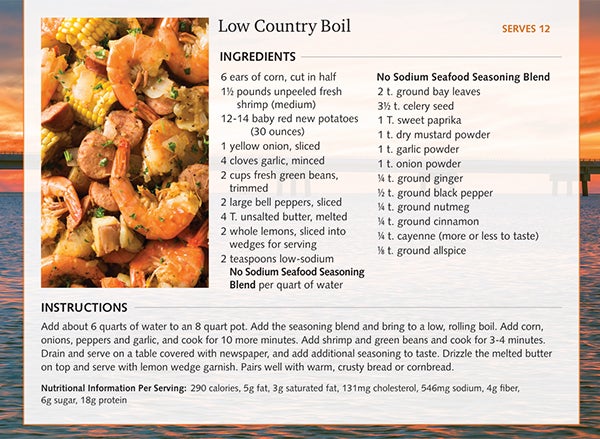
If you wish to make it even heart healthier, olive oil could also be substituted for butter to decrease saturated fat even more and increase anti-inflammatory, monounsaturated fat.”
Did You Know?
The Albemarle-Pamlico Estuarine system (comprised of the Albemarle and Pamlico sounds) is the second largest estuary in the country, just behind the Chesapeake Bay. The 3,000 square miles of water that spans from North Carolina’s southern Outer Banks up to Virginia Beach, VA, is a productive ecosystem with rivers and sounds that gives us access to some of the freshest, highest-quality seafood in the United States.
This blog is adapted from Heart to Heart Magazine. Subscribe today.