Goodbye, Cold and Flu Season. Hello, Seasonal Allergies.
March 13, 2026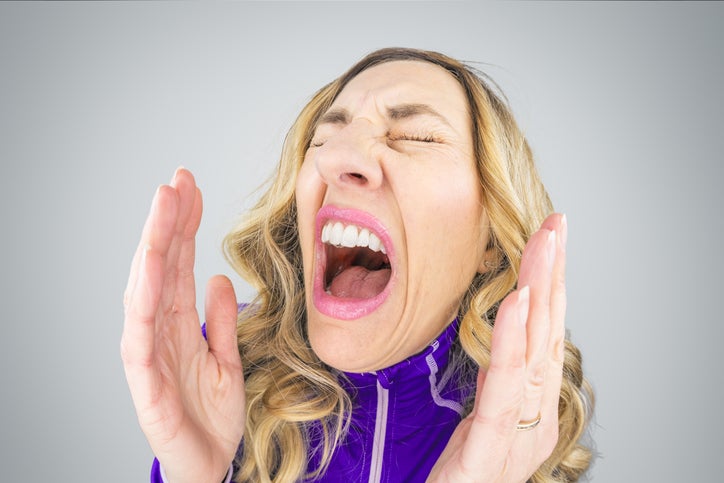
By: WakeMed Health & Hospitals
Categories: ENT, Primary Care, Urgent Care
According to the Asthma and Allergy Foundation of America, "more than 100 million people in the United States experience...seasonal allergies, eczema and food allergies. Nearly 33 percent of adults and more than 25 percent of children have an allergy."
The sneezy, itchy, watery-eyed, rashy, runny nose symptoms of seasonal allergies are quite common, so if you’re among those affected, you’re not alone.
What Causes Seasonal Allergies?
Pollen, trees, flowers and grass are a few allergen triggers. Each season, these wonders of nature bloom, releasing allergy pollutants, resulting in utter misery for allergy sufferers.
The pollen count, which monitors the amount of pollen in the air at any given time, provides information about the severity of your symptoms. That’s why you may feel worse in early spring when hazy, yellow-green pollen is prevalent, covering every outdoor surface.
How Early May People Begin to Experience Seasonal Allergies?
Allergies can be lifelong.
In What Way Are Allergy Symptoms Different from Cold Symptoms?
Some symptoms of allergies and the common cold overlap. These include sneezing, congestion, nasal discharge, coughing and fatigue.
Additionally, allergies may cause watery eyes, itchy nose/throat/eyes, rash, hives, post nasal drip, and, rarely, trouble breathing and vomiting.
Can Seasonal Allergies be Cured?
Can Moving to a Different Part of the Country Eliminate Seasonal Allergies?
Are There Natural Remedies for Seasonal Allergies?
- Close windows at night.
- Wash your clothes/body/hair before bed.
- Stay indoors during high pollen counts.
- Limit exercise to inside activities or times when allergens are low.