Hurricane season in North Carolina runs from June 1 to November 30, with peak activity typically occurring from August through September.
Being prepared means having the right information to make the right choices at the right time.
Follow these safety and preparedness tips to keep you and those you care about safe.
#1 – Make a Plan
How will I receive emergency alerts and warnings?
- Consider signing up for emergency alerts and notifications.
- ReadyNC.Gov and ReadyWake.Gov provide multiple resources that will keep you updated on potential hazards through mass notifications.
- Monitor local news, NOAA weather radios, and trusted weather sources.
What is my evacuation plan?
- Identify multiple routes to evacuate your area.
- Know a safe place to go if you need to leave quickly.
- Keep your vehicle fueled.
Where will I shelter if severe weather threatens my area?
- Options:
- Remaining safely at home, if conditions allow.
- Staying with friends or family.
- Staying at a hotel outside of the affected area.
- Using a community or emergency shelter, if one is open.
What is my communication plan?
- Include the following as part of your plan:
- Emergency contact information.
- An out-of-town contact person.
- Important phone numbers stored electronically and on paper.
- Meeting locations and/or evacuation destinations
- Medical information.
- Pet care arrangements
- Utilize the Ready.gov Communications Plan Form to easily create an email a plan to yourself
What unique needs do I need to consider?
- Assess your needs and responsibilities and how people in your immediate household and network may need assistance.
- Keep in mind the following factors:
- Different ages of members within your household or network
- Responsibilities for assisting others
- Dietary needs
- Medical needs, including prescriptions and supplies
- Disabilities or access and functional needs including devices and equipment
- Languages spoken
- Cultural and religious considerations
- Pet or service animal care
- Childcare needs
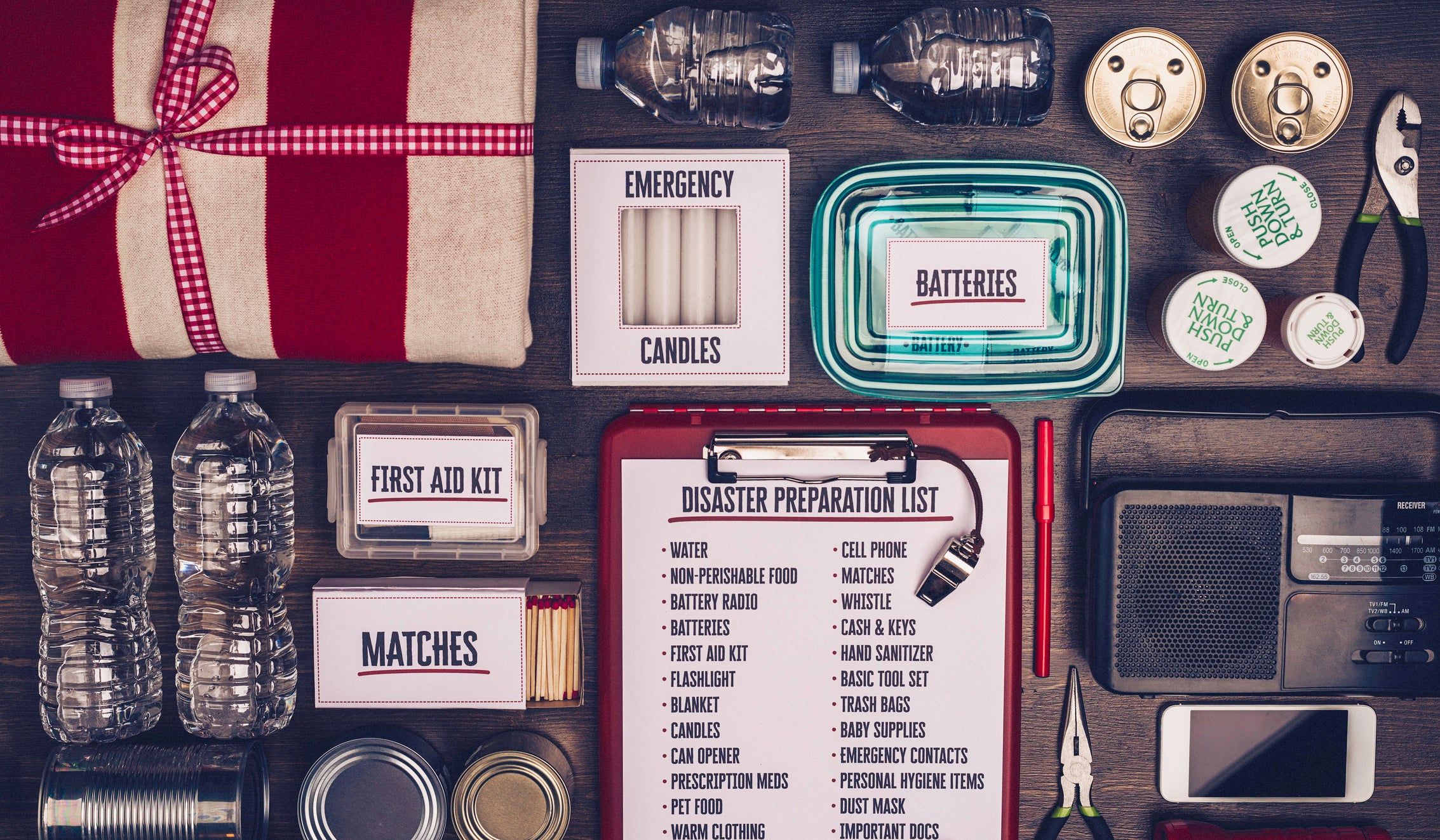
#2 – Build an Emergency Preparedness Kit
Include enough supplies and equipment to last several days:
- Water (at least 1 gallon per person per day)
- Non-perishable food
- First aid kit
- Prescription medications
- Flashlights
- Extra batteries
- Portable phone chargers or power banks
- NOAA Weather Radio
- Personal hygiene items
- Important documents in a waterproof container
- Cash in small bills
- Supplies for infants, older adults, and pets
For a complete list or help with building a kit, visit Ready.gov Build a Kit.
#3 – Prepare and Protect Your Home
Taking preventative action before a storm arrives can help reduce damage and keep you safe.
Before severe weather:
- Trim trees and remove dead branches
- Collect and secure any outdoor items
- Check gutters and drains for debris
- Make sure all windows and doors properly close and seal
- Park vehicles in a safe location away from trees and flood-prone areas.
- Test generators and backup power sources according to manufacturer guidelines.
- Review your insurance coverage, including flood insurance if applicable.
At WakeMed, we care about the health and safety of our community. Preparation is one of the most effective ways to reduce the risk during hurricane season. Taking a few simple steps today can help you, your network, and your peace of mind when severe weather threatens.
Helpful resources: