
Food Intolerance versus Food Allergies: Know the Difference
Food intolerances are the inability to digest a certain component of a food, such as lactose, a sugar found in dairy products.
Food allergies are an immune system reaction to a substance in a food that the body sees as harmful.
A food allergy occurs when the body’s immune system sees a certain food as harmful and reacts by causing allergic symptoms. Foods that cause allergic reactions are allergens.
There are two different types of reactions: IgE reactions and Non-IgE reactions.
Immunoglobulin E (IgE) Mediated
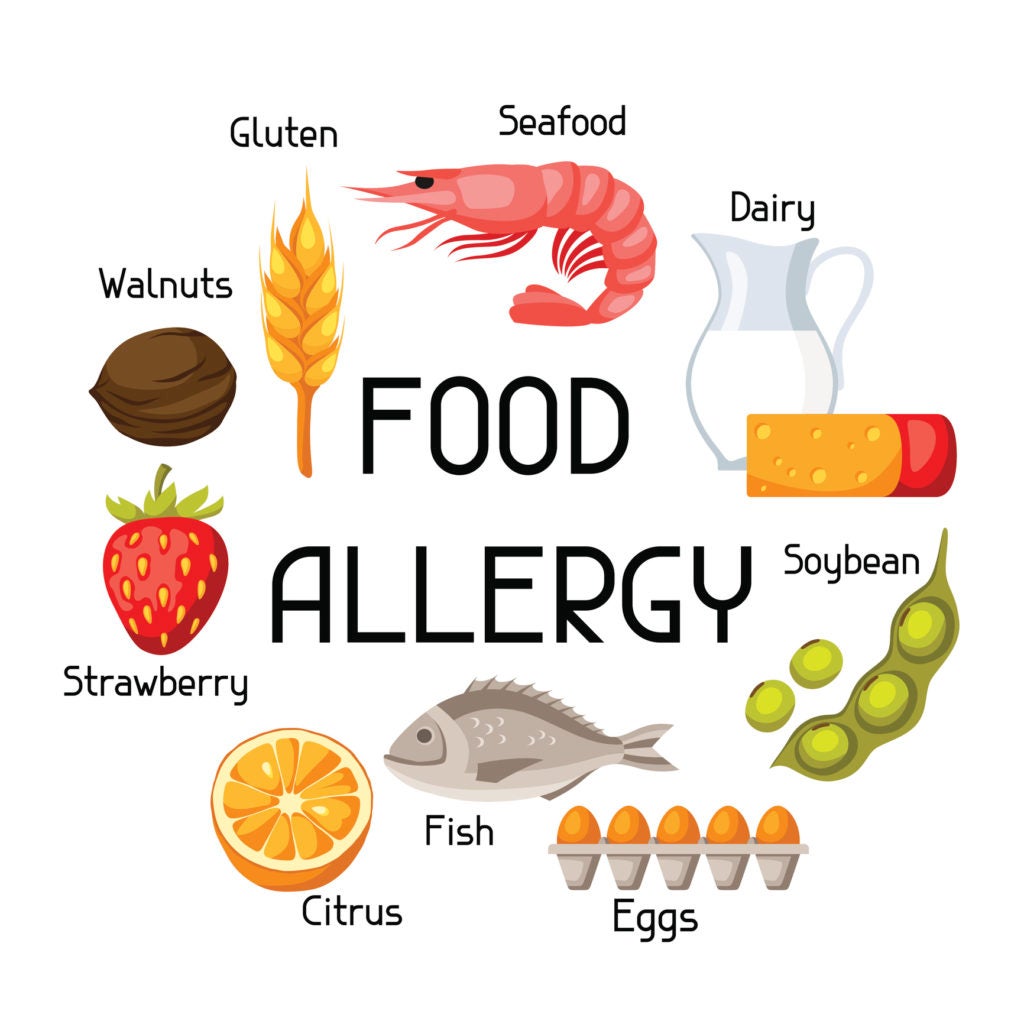
The body’s immune system makes antibodies called immunoglobulin E (IgE). These IgE antibodies react with a certain food and cause symptoms. In the United States, the most common causes of food allergy are these eight foods:
- Milk
- Eggs
- Peanuts
- Tree Nuts
- Soy
- Wheat
- Fish
- Shellfish
Non-IgE Mediated
Other parts of the body’s immune system react to a certain food. This reaction causes symptoms, but does not involve an IgE antibody.
Someone can have both IgE mediated and non-IgE mediated food allergies.
Not all people who react to a certain food have an allergy. They may have a food intolerance. Examples are lactose intolerance, gluten intolerance or sulfite sensitivity. Food intolerance does not involve the immune system.
The Cause of Food Intolerances
Food intolerance usually occurs when a person doesn’t produce enough of an enzyme that the digestive system relies on to break down a certain food. This typically results in digestive issues, such as diarrhea, gas or bloating.
Here are common symptoms:
- Abdominal pain
- Headaches or migraines
- Heartburn
- Nausea
- Upset stomach
Food intolerance is usually lifelong. However, most people can manage their symptoms if they reduce or cut out foods that cause problems. There are also over-the-counter medicines available that help alleviate symptoms. Food intolerance may be inconvenient and unpleasant, but with the right management it can turn into a minor issue.
Signs of a Severe Allergic Reaction
While food allergy reactions can vary from person to person, most reactions start with skin symptoms, such as hives or a rash. However, some do not. More serious symptoms include a drop in blood pressure or trouble breathing (anaphylaxis). If you experience any of these symptoms, you should seek medical attention immediately.
See more minor and major symptoms below.
Minor Symptoms:
- Hives
- Rash
- Tingling or itching in the mouth
- Belly pain
- Diarrhea or nausea
Major Symptoms:
- Drop in blood pressure
- Trouble breathing
- Dizziness or lightheadedness
- Loss of consciousness
- Rapid pulse
Although ingestion is the primary cause of severe reactions to food, even trace amounts of a food allergen can cause a reaction in some people.
Symptoms of a sever reaction will usually start within a few minutes after eating a food and may even occur as long as two hours after. In some cases, severe food allergies can cause initial symptoms as well as a secondary wave of symptoms that come back after the first symptoms have subsided. This is why it is important for people who have severe reactions to remain at the hospital for four to six hours for observation.

A Cure for Food Allergies?
Currently, there is no cure for food allergies. The best way to deal with food allergies is through strict avoidance of the food allergen.
If you are prone to severe reactions, you should also have an epinephrine auto-injector (epipen) nearby. Epipens are available via prescription and are the only medicine that can stop anaphylactic reactions.
Isn’t it true that you can “outgrow” certain food allergies?
Certain food allergies that have begun in childhood may eventually be outgrown. These include milk, eggs, wheat and soy allergies. Peanut, tree nut, fish and shellfish allergies, however, are usually lifelong.
If you have concerns or questions related to food allergies and whether you’ve outgrown them, you should speak to your primary care physician and/or an allergist. Do not attempt to “try” a small amount of food to see if you’ve outgrown an allergy to it!
About Parul Kharod
There’s no doubt that fiber is good for you. However, to avoid complications (ex: gas, bloating, or cramping), gradually increase fiber in your diet over the course of a few weeks to allow your digestive system to adjust.
 About Parul Kharod, MS, RD, LDN
Parul is a Clinical Dietitian in Outpatient Nutrition Services at WakeMed Cary Hospital. For information related to diet and nutrition, or to speak to one of our licensed, registered dietitians, contact Outpatient Nutrition Services today. Insurance coverage and costs may vary.
The WakeMed Celiac & Food Allergy Support Group — a branch of the Gluten Intolerance Group — is intended to provide a warm and caring environment for people with celiac disease and gluten and other food sensitivities, where their family members, caregivers, and loved ones can share their experiences, methods of coping, and insights into living with chronic illness and following an allergen-free diet. The support group also provides current and accurate information and appropriate community resources about celiac disease and other gluten and food allergy related disorders.